MedEquipped

Tag: MedEquipped

  • Top Wheelchair Seating Systems in 2026: National Seating and Mobility Review

    Top Wheelchair Seating Systems in 2026: National Seating and Mobility Review

    Table of Contents

    Understanding Wheelchair Seating Systems

    Imagine a patient with spinal cord injury struggling with daily mobility until the perfect wheelchair seating system brings relief and independence. At MedEquipped, we serve as your partner in mobility freedom, helping individuals in New York, Georgia, and Michigan find custom motorized wheelchairs that fit their unique needs. Wheelchair seating systems play a vital role here, offering tailored comfort and support to prevent pressure sores and enhance posture for those facing complex impairments like cerebral palsy.

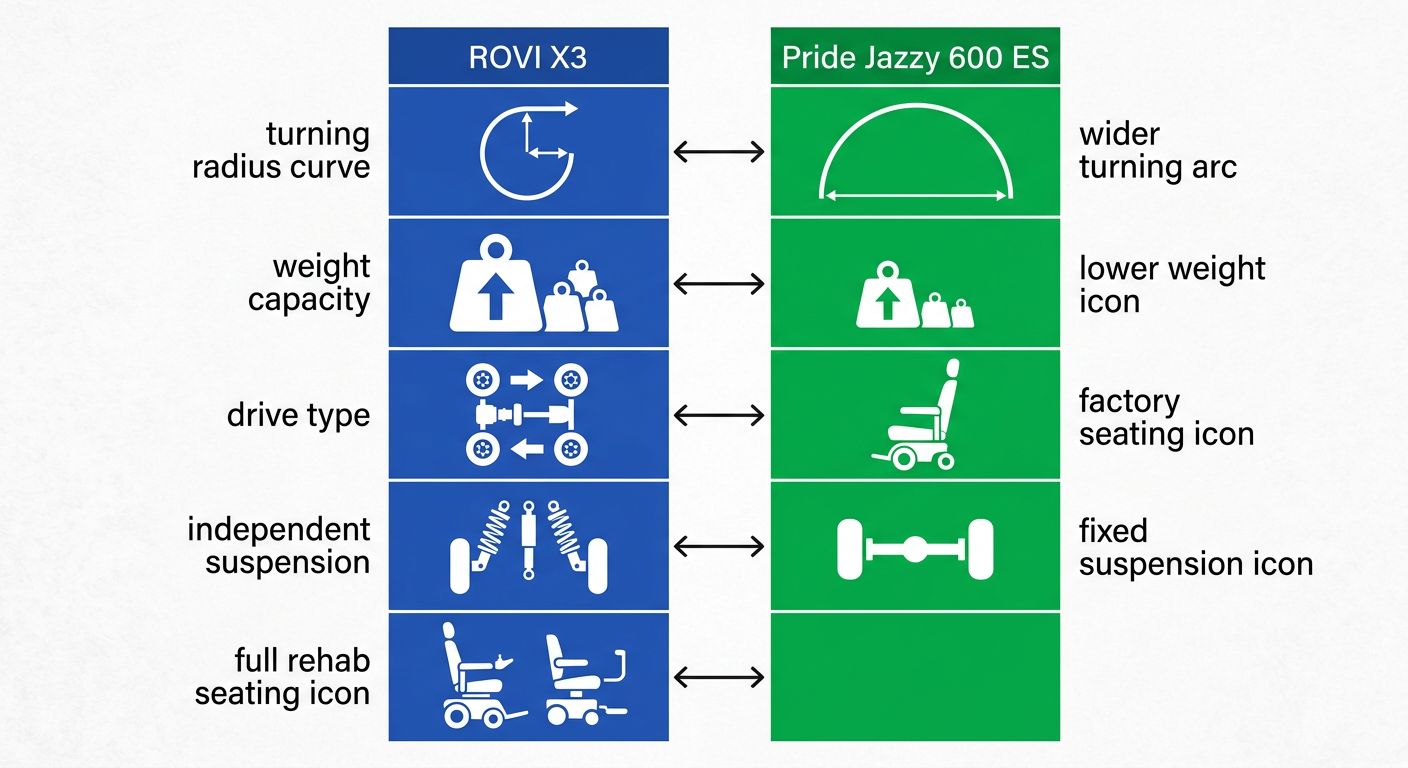
    These systems include customizable components such as cushions, backs, and positioning aids, designed to integrate seamlessly with power mobility bases like the TDX SP2 HD from the QUICKIE series or the ROVI X3. We conduct thorough power mobility evaluations to assess clinical requirements, ensuring selections address specific challenges and promote better mobility. Our certified ATPs lead the process, from initial national seating and mobility assessments to custom seating configurations that optimize daily function. We handle the paperwork, insurance navigation, and coordination, delivering fully fitted solutions in just 30-60 days for faster processing than typical waits.

    • Pressure-relief cushions: Distribute weight to reduce skin breakdown risks.
    • Adjustable back supports: Maintain upright posture for improved breathing and reach.
    • Lateral positioning aids: Stabilize the body during movement for enhanced control.

    This introduction lays the groundwork for exploring wheelchair seating fundamentals, types, and advanced customizations ahead. Whether seeking comfort-focused options or posture benefits, our end-to-end services guide you toward informed choices that improve quality of life. For more on our motorized wheelchair products, explore how we tailor solutions to your journey.

    Basics of Wheelchair Seating Systems

    At MedEquipped, we understand that wheelchair seating systems form the foundation of safe and comfortable mobility for individuals with complex needs. These systems are essential for users in bustling areas like New York or quieter communities in Georgia, where daily navigation demands reliable support. We start with the basics to help you grasp how proper seating enhances independence and prevents common issues like pressure sores.

    Let’s break down the core components that make up effective wheelchair seating. Cushions are the first line of defense against discomfort and skin breakdown. We recommend options like foam-based cushions for basic absorption, but gel or air-filled varieties offer superior pressure redistribution by conforming to the body’s contours and reducing contact points. For instance, air-filled cushions can adjust dynamically during movement, which is ideal for urban navigation in New York where uneven sidewalks are common. Back supports provide crucial trunk stability, with fixed contour designs offering straightforward posture maintenance for everyday use. Adjustable lateral supports take this further, allowing customization for optimal alignment and reducing the risk of fatigue over long periods. Positioning devices, such as harnesses and chest straps, secure the user while permitting natural movement, integrating seamlessly with power bases like the ROVI X3 for enhanced control.

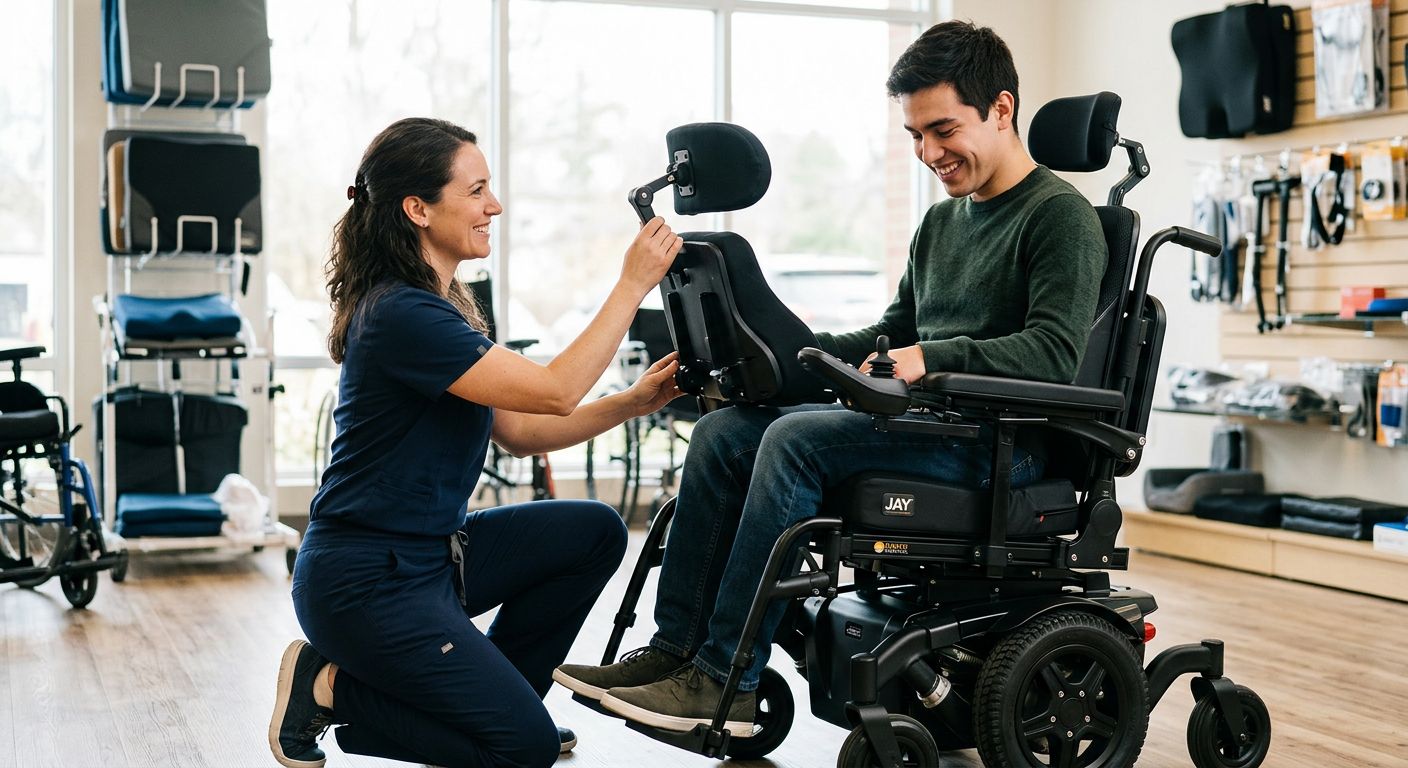
    These elements work together in seating and positioning setups to support overall well-being. During a power mobility evaluation, our certified Assistive Technology Professionals (ATPs) assess individual needs to ensure the fundamentals align with clinical requirements. This process, informed by evidence-based practices, helps identify how basic components can evolve into tailored solutions that promote long-term mobility.

    Understanding the basics of these components is vital because they directly impact daily mobility and quality of life. Simple choices in cushions and supports can mean the difference between discomfort and ease during routine activities, whether commuting in Michigan or attending appointments in Georgia. By focusing on foundational elements, users can build a seating system that adapts to their lifestyle while minimizing health risks.

    ComponentStandard OptionCustom OptionKey Benefit
    CushionsFoam-basedGel or air-filledPrevents sores
    Back SupportsFixed contourAdjustable lateralPosture alignment

    As shown in the table, standard options provide reliable entry-level support, while custom ones deliver targeted benefits like better pressure management and stability. Research from sources like the NCBI indicates that proper cushioning can reduce pressure sore incidence by up to 60% in at-risk users. At MedEquipped, we customize these components through our ATP-led evaluations, ensuring they fit seamlessly with custom motorized wheelchairs. We handle the paperwork, insurance navigation, and coordination to deliver solutions in just 30-60 days, faster than many national seating and mobility providers. Our regional focus in New York, Georgia, and Michigan means personalized service tailored to local needs.

    Building on these comparisons, the benefits of foundational wheelchair seating extend to enhanced comfort and efficiency in daily tasks. For example, effective back supports reduce upper body strain, allowing longer periods of independence without constant adjustments. We emphasize clinical mobility assessments to match these basics with user-specific goals, promoting better posture and energy conservation. Remember, consult a healthcare professional before making clinical decisions, as individual outcomes may vary. This approach not only prevents issues like sores but also supports active lifestyles, making mobility feel empowering rather than restrictive.

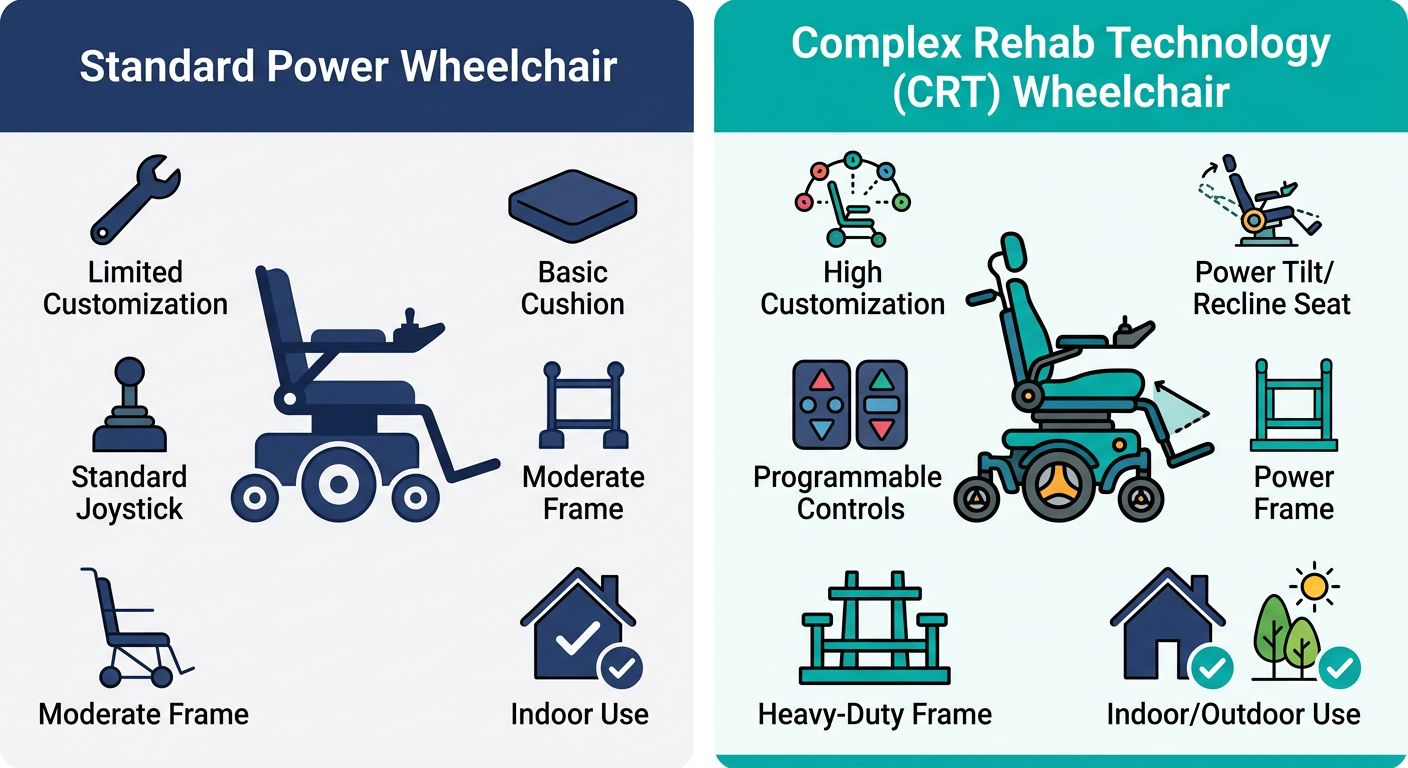
    Infographic illustrating differences between basic and advanced wheelchair seating systems in two columns

    Comparison of basic vs advanced wheelchair seating components

    In summary, mastering these seating fundamentals equips you to make informed choices, setting the stage for advanced customizations that truly transform mobility.

    Exploring Advanced Wheelchair Seating Configurations

    At MedEquipped, we specialize in wheelchair seating systems that transform daily mobility for individuals with complex needs across New York, Georgia, and Michigan. These systems go beyond basic support, offering advanced configurations tailored through comprehensive power mobility evaluations. As your partner in mobility freedom, we integrate cutting-edge options like dynamic cushions and modular backrests to enhance comfort and function.

    Cushion and Backrest Innovations

    Innovations in cushion and backrest designs address key challenges like pressure ulcers and postural instability, which are critical for long-term wheelchair users. We focus on materials that provide dynamic pressure relief and adjustable features for personalized support during our clinical evaluations. For instance, fluid-filled cushions adapt to body movements, reducing shear forces by up to 50% according to clinical studies on tilt and recline benefits.

    Advanced positioning tech, such as adjustable lumbar supports and lateral trunk guides, ensures optimal alignment for users with scoliosis or limited trunk control. These elements pair seamlessly with power tilt and recline functions, promoting better circulation and preventing skin breakdown. In our detailed mobility fittings, certified Assistive Technology Professionals (ATPs) assess individual biomechanics to recommend systems that align with lifestyle demands.

    The following table highlights key cushion and backrest innovations, drawing from established guidelines on coverage and clinical efficacy:

    TypeMaterialBenefitCoverage
    ROHO Air CushionInterconnected air cellsExcellent adjustability for pressure redistributionOften covered under Medicare for moderate-risk users
    Jay BackrestMolded foam with gel insertsLateral stability and contouring for trunk supportEligible for custom prescriptions in complex cases
    Fluid-Filled CushionViscoelastic fluidShear reduction and immersion for high-risk skin protectionCMS-approved for documented medical necessity

    These innovations underscore the importance of clinical relevance in selecting components that mitigate risks while maximizing independence. Post-evaluation, we handle the paperwork, insurance navigation, and coordination to secure medequipped custom wheelchairs fitted precisely to these specifications. Our process ensures seamless integration, typically within 30-60 days, fostering confidence in everyday mobility.

    Integration with Power Mobility Bases

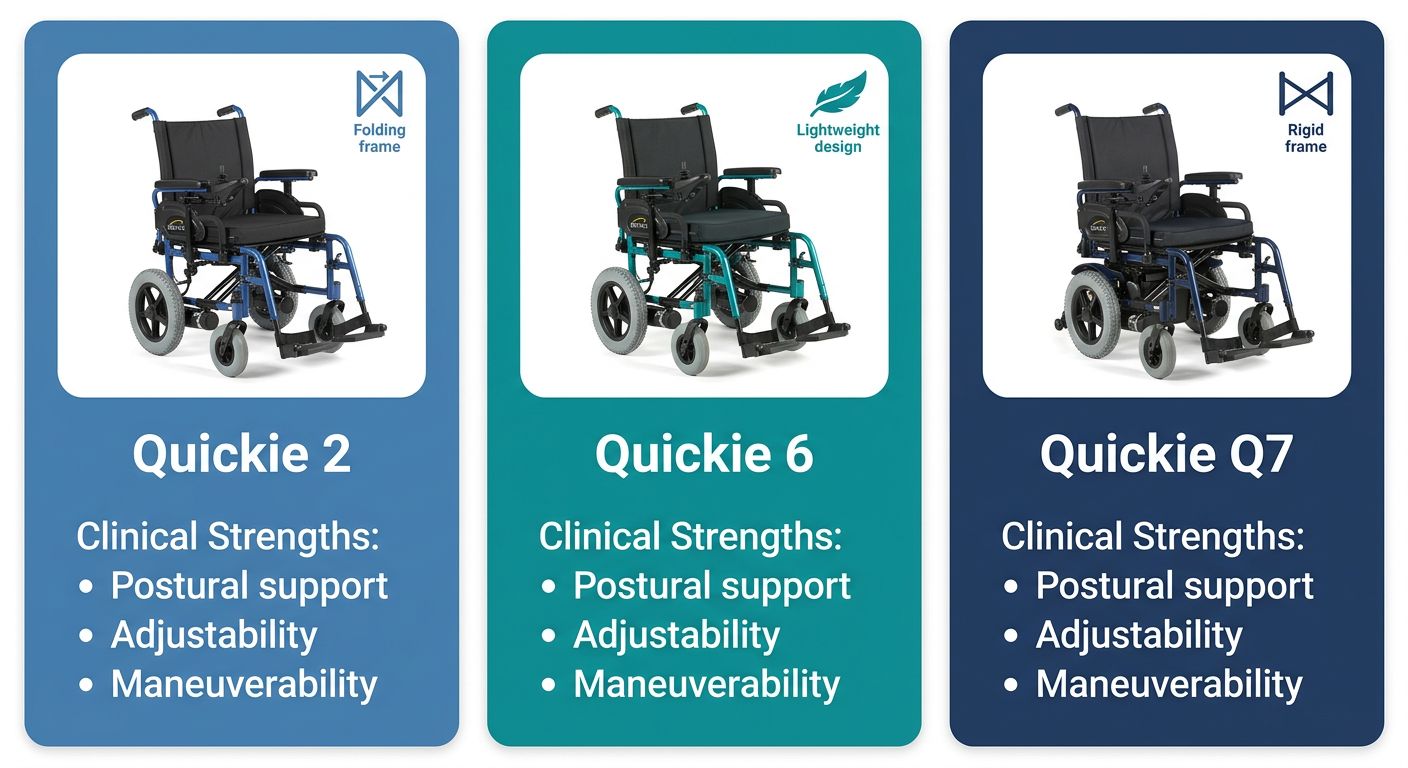
    Seating systems shine when paired with robust power mobility bases, amplifying functionality for users requiring heavy-duty support or precise control. At MedEquipped, we conduct thorough power mobility evaluations to match seating with bases like the QUICKIE series for lightweight agility, the ROVI X3 for versatile tilt, and the TDX SP2 HD for maximum stability in demanding environments. This integration supports national seating and mobility standards, ensuring compatibility that enhances maneuverability in homes or communities across our service areas.

    For heavy-duty needs, the TDX SP2 HD base accommodates advanced seating with full recline and power shear reduction, ideal for users over 300 pounds. The QUICKIE series offers lightweight frames that pair well with adjustable cushions for urban navigation, while the ROVI X3 excels in tilt capabilities that work alongside modular backrests for better reach and transfer. Accessories like adjustable headrests and footplates further customize these setups, addressing specific impairments such as limited range of motion.

    Clinical metrics from sources like CMS guidelines validate these pairings, showing improved outcomes in stability and fatigue reduction. We prioritize configurations that align with insurance-covered customizations, coordinating approvals to deliver systems that fit seamlessly into daily routines.

    The table below compares popular seating options with leading power bases, based on product compatibilities and user requirements:

    Seating TypeQUICKIE SeriesROVI X3TDX SP2 HD
    ROHO Air CushionExcellent adjustabilityGood for lightweightHeavy-duty support
    Jay BackrestLateral stabilityTrunk controlMax weight capacity

    This comparison illustrates how seating enhances base performance, from agility in the QUICKIE to durability in the TDX SP2 HD. Following such integrations, our team provides ongoing support, including adjustments and education, to maintain optimal function. Results may vary, and we always recommend consulting a healthcare professional for personalized advice. Through this approach, we empower greater independence without the hassle of fragmented processes.

    Applying Wheelchair Seating Systems in Daily Use

    Wheelchair seating systems play a key role in enhancing daily comfort and independence for individuals with mobility challenges. At MedEquipped, we focus on practical seating solutions that align with your unique lifestyle, whether you’re navigating busy city streets or managing home-based routines. We’ll guide you through selecting the right options and handling the processes in Georgia and Michigan to make mobility freedom accessible.

    Selection Criteria for Personal Needs

    Choosing the right wheelchair seating begins with a thorough assessment of your lifestyle and clinical factors. We consider elements like your activity level, body weight distribution, and type of impairment to ensure optimal support. For instance, an active urban user might need seating that promotes maneuverability during commutes, while a homebound individual requires features that minimize pressure points during extended sitting. Our certified Assistive Technology Professionals (ATP) conduct a power mobility evaluation to match these needs with appropriate systems, drawing from industry standards like those from national seating and mobility providers.

    A key step involves reviewing your medical history and daily routines. We’ll discuss how often you transfer positions, the surfaces you encounter, and any skin sensitivity issues. This evaluation-based fitting helps prevent common discomforts and supports long-term health. For active users, adjustable components can improve posture during errands, whereas fixed setups suit those with limited transfers.

    The following table compares custom versus standard seating for different lifestyles:

    Lifestyle FactorStandard SeatingCustom SeatingMedEquipped Advantage
    Active Urban UserBasic cushionAdjustable tiltFaster fitting in NY; Enhanced maneuverability; Personalized eval
    Homebound PatientFixed backPressure mappingInsurance navigation; Reduced sores; Ongoing support

    This comparison highlights how custom options outperform basics in targeted scenarios, with our services adding value through quick assessments and tailored advice. As your partner in mobility freedom, we prioritize what fits your life best.

    After selection, practical tips include testing seating in real settings during your visit. Schedule a consultation by calling us at 845-237-2381 or emailing intake@medequipped.com. One patient shared in our testimonies how their custom setup transformed daily reading sessions at home, reducing fatigue significantly. Remember to consult a healthcare professional for personalized advice, as individual outcomes vary.

    Insurance and Evaluation Processes

    Navigating insurance for wheelchair seating systems can feel overwhelming, but at MedEquipped, we handle the paperwork, insurance navigation, and coordination to simplify it for you. Our process starts with a comprehensive power mobility evaluation, where we review your medical documentation and discuss funding options under Medicare or private plans, as outlined in CMS guidelines. This wheelchair fitting evaluation ensures the seating meets clinical criteria for coverage in regions like New York, Georgia, and Michigan.

    Preparation involves gathering recent physician notes and outlining your mobility goals. We’ll guide you step-by-step: first, submit intake forms via our Become a Patient page; next, our team coordinates with insurers for pre-approval. Unlike standard routes that can drag on, our end-to-end approach typically wraps up in 30-60 days. Post-approval, we arrange fittings with adjustments for daily comfort, such as tilt functions for easier transfers.

    To illustrate efficiency, here’s a comparison of insurance steps:

    StepStandard ProcessMedEquipped Process
    Initial ConsultationPatient schedules independentlyWe coordinate ATP-led evaluation
    DocumentationGather and submit forms aloneWe handle paperwork and insurance navigation
    Approval Wait90+ days typical30-60 days faster processing
    Final FittingBasic setup at deliveryCustomized with ongoing support adjustments

    Our streamlined method reduces hassle, as seen in patient stories where quick approvals allowed seamless integration into routines. For example, a Georgia resident appreciated our navigation through complex coverage, avoiding delays in their custom motorized wheelchair delivery.

    After delivery, we provide education on maintenance and follow-up visits for tweaks, ensuring lasting comfort in tasks like meal prep or virtual meetings. Cost considerations depend on your plan, but we maximize benefits without out-of-pocket surprises. Information is for informational purposes only; consult your provider for specifics. Reach out today to start your journey toward practical seating solutions.

    Specialized Applications of Wheelchair Seating Systems

    At MedEquipped, we understand that wheelchair seating systems go beyond basic mobility to address unique challenges faced by individuals with complex impairments. These specialized configurations are essential for conditions like ALS or post-stroke recovery, where standard setups fall short. Our team in New York crafts tailored solutions using advanced medicare wheelchair seating coverage guidelines to ensure accessibility and funding support. As a partner in mobility freedom, we specialize in powered adjustments and sensor technology that monitor posture and prevent pressure sores, enhancing daily comfort.

    For those with spinal cord injuries or muscular dystrophy, wheelchair seating systems incorporate features like tilt-in-space mechanisms or custom contoured backs. These adaptations, often evaluated through power mobility evaluation processes, integrate seamlessly with accessories such as lateral supports and adjustable armrests. We work closely with certified Assistive Technology Professionals (ATPs) to conduct advanced evaluation protocols, ensuring the seating aligns with lifestyle needs and promotes long-term outcomes like reduced fatigue and greater independence. In Georgia and Michigan, our ongoing support includes modifications as conditions evolve, helping users maintain optimal positioning without frequent replacements.

    Advanced needs demand precise customization to improve circulation and stability. The following table highlights specialized seating options for specific impairments, showcasing how targeted features lead to meaningful results.

    ImpairmentSeating FeatureModel ExampleOutcome
    Spinal Cord InjuryTilt-in-spaceROVI X3Improved positioning, better circulation, less fatigue
    Muscular DystrophyCustom contoured backTDX SP2 HDSupport stability, enhanced comfort, daily independence

    This comparison underscores the value of impairment-specific designs, drawing from evidence on how such specialized seating tech reduces secondary complications like skin breakdown. At MedEquipped, our ATP-led assessments go further by simulating real-world use during fittings, similar to what national seating and mobility providers offer but with our faster 30-60 day processing. We handle the paperwork, insurance navigation, and coordination, delivering QUICKIE series models fully configured for users in New York. Our expertise ensures these systems not only meet clinical standards but also foster sustained mobility, with post-delivery adjustments to adapt to changing needs. Results may vary; consult a healthcare professional for personalized advice.

    Common Questions on Wheelchair Seating Systems

    Wheelchair seating systems play a crucial role in enhancing comfort and mobility for individuals with complex needs. At MedEquipped, we serve as your partner in mobility freedom, addressing common concerns through our clinical expertise. Below, we answer key questions to help you navigate options in our service areas of New York, Georgia, and Michigan.

    What is a power mobility evaluation?
    We conduct a power mobility evaluation to assess your specific needs, ensuring the right wheelchair seating systems match your lifestyle. This involves measuring posture, skin integrity, and daily activities with our certified ATPs. It’s a personalized process that typically takes 1-2 hours.

    How do I prepare for a wheelchair seating evaluation?
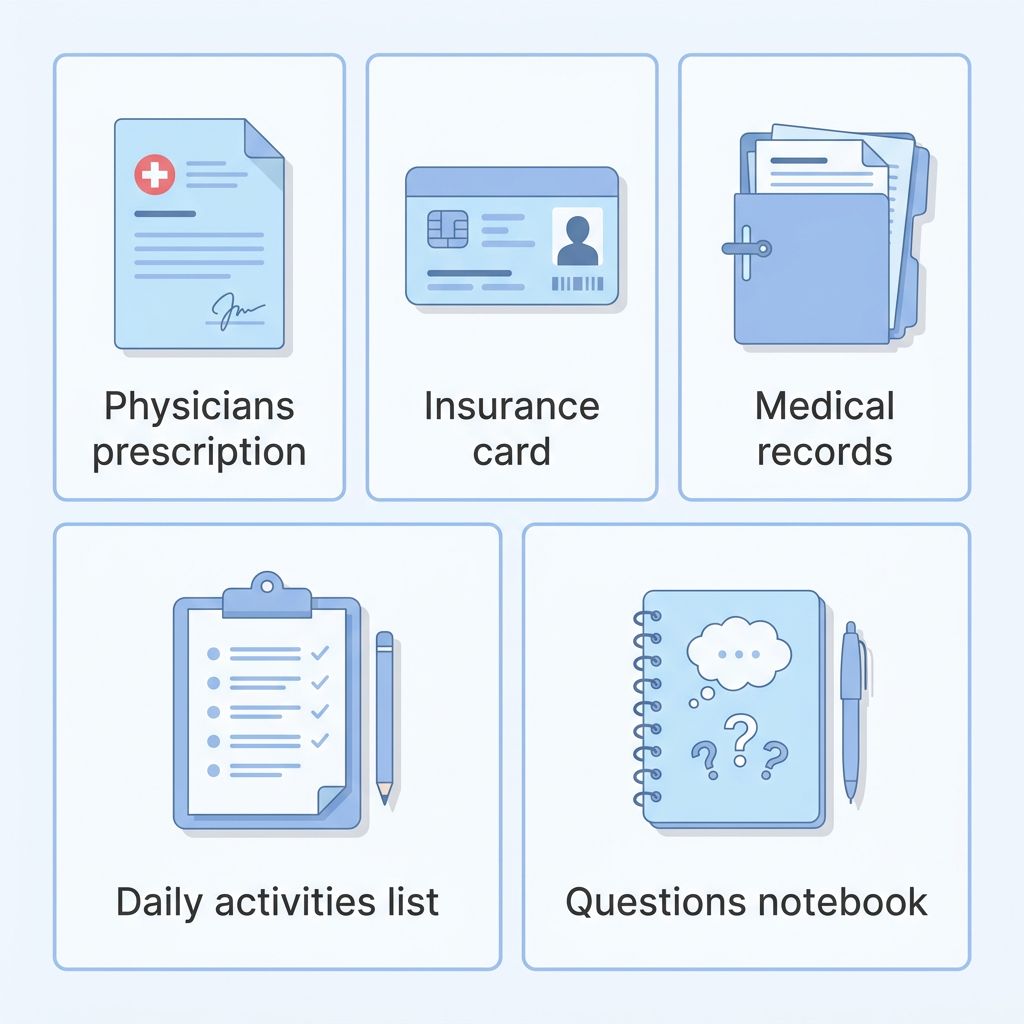
    Arrive with comfortable clothing and any current mobility aids. Bring medical history or prescriptions for reference. Our team handles the rest, including insurance navigation, to make the experience smooth and informative.

    What are the benefits of custom wheelchair seating systems?
    Custom systems prevent pressure sores, improve positioning, and boost independence. Unlike standard options, they fit your unique body and activities, leading to better long-term comfort and reduced adjustments needed post-delivery.

    How can I order wheelchair accessories in Michigan?
    Contact us at intake@medequipped.com or 845-237-2381 to discuss accessories like cushions or controls. We manage ordering, funding coordination, and delivery within our 30-60 days timeline, ensuring everything integrates seamlessly with your power wheelchair.

    Are services like national seating and mobility available through MedEquipped?
    While we draw from industry standards similar to national seating and mobility providers, our focused regional approach offers faster processing and hands-on support in New York, Georgia, and Michigan. We tailor evaluations to your needs without the wait times of larger networks.

    Choosing the Right Wheelchair Seating Solution

    Selecting the ideal wheelchair seating systems involves prioritizing comfort, mobility, and personalization to enhance daily life. At MedEquipped, we stand as your partner in mobility freedom, offering custom motorized wheelchairs through thorough power mobility evaluations that outpace national seating and mobility standards.

    Our certified ATP experts deliver optimal seating choices with faster processing in 30-60 days, handling insurance navigation and coordination across New York, in Georgia, and in Michigan. We invite you to contact us at 845-237-2381 or intake@medequipped.com for a consultation. Together, we commit to improving patient outcomes with tailored support.

    Resources

  • Stair Chair Lift Installation: Affordable Options for 2026

    Stair Chair Lift Installation: Affordable Options for 2026

    Table of Contents

    Navigating stairs can be a significant challenge for seniors and those with mobility issues, limiting independence in multi-level homes across New York, Georgia, and Michigan. A stair chair lift offers a safe, reliable solution to restore freedom and reduce fall risks, allowing you to age in place comfortably without major renovations.

    At MedEquipped, we specialize in end-to-end mobility services, including certified ATP-led evaluations to assess your home layout and needs. Whether you need a straightforward straight stairlift chair for a single flight or a stair lift buying guide for more complex setups like a curved stair lift, we guide you through options. Our team handles insurance navigation and paperwork, streamlining approvals for faster processing—typically 30-60 days from custom order to delivery.

    Curious about stair lift cost? Expect ranges from $3,000 to $15,000, influenced by staircase type, features, and customizations. We provide transparent pricing insights and preview the next steps, from consultation to installation. Contact our team today at 845-237-2381 or intake@medequipped.com to get started on your home stair lift system.

    Preparing for Your Stair Chair Lift Journey

    Embarking on your stair chair lift journey starts with thoughtful preparation to ensure safety and independence in your home. We’re here to help simplify this process, especially if you’re considering a stair chair lift in Michigan, New York, or Georgia. Begin by assessing your needs and budget to make an informed decision.

    Budget Overview

    Understanding stair lift cost is crucial for planning. Straight stair lifts typically range from $3,000 to $5,000, while a curved stair lift can cost $10,000 to $15,000 due to custom fitting. According to reliable guides, average installations including labor fall between $4,000 and $5,500. Rentals offer a flexible option at $500 to $1,500 per month. Medicare generally does not cover these, though supplements or Advantage plans might under specific conditions—we handle the paperwork, insurance navigation, and coordination to explore your options. Check out this stair lift costs resource for more details. Here’s a quick pricing tier:

    • Straight: $3,000–$5,000
    • Curved: $10,000–$15,000
    • Rental: $500–$1,500/month

    These figures help you budget effectively without surprises.

    Transitioning from costs, evaluating your home ensures the right fit for your chair lift for stairs.

    Horizontal bar chart illustrating average costs of different types of stair chair lifts in USD.

    Average stair lift costs breakdown by type: straight, curved, and rental options.

    Home Assessment Guide

    Measure your stairs accurately: note the angle, landings, and total rise. A straight staircase suits basic designs, but a curved stair lift requires precise rail bending. Our certified team in Georgia or New York can visit for a free assessment. This stair ascent aid must align with your home’s layout to guarantee safe navigation and avoid costly adjustments later.

    Documentation Checklist

    Gather essential medical records to support your case:

    • Doctor’s prescription or mobility assessment
    • Proof of Medicare or insurance details
    • Home photos or measurements

    Contact us at 845-237-2381 for a free initial quote—we’re your partner in mobility freedom.

    Assessing Your Mobility and Staircase Needs

    We understand how important it is to maintain independence in your home, especially when mobility challenges arise. At MedEquipped, serving communities in New York, Georgia, and Michigan, we recommend beginning with a thorough assessment of your mobility needs and staircase specifications. This foundational step ensures you select the right stair chair lift, paving the way for a smoother path to installation and funding approval.

    Instructions for Measuring Your Staircase

    1. Measure the staircase length by running a tape measure from the top step to the bottom along the path, accounting for any rise or run according to standard guidelines on stair angles from accessibility experts.
    2. Check the width by measuring across the narrowest point of the staircase treads.
    3. Identify turns or curves; a straight staircase works for basic models, but a curved stair lift may be necessary for multi-level or winding designs.

    These measurements prepare you for precise quotes and help avoid surprises.

    Why It Matters

    Accurate measurements ensure the stair chair lift fits safely and functions smoothly, preventing installation issues that could lead to higher stair lift cost or safety risks. By considering your mobility level alongside staircase details, you align the solution with your daily needs, accelerating the process toward professional evaluation and funding in your area.

    Tips for a Comprehensive Assessment

    Note any obstructions like railings or furniture that might affect the stair glider path. We also suggest consulting your physician for input on your mobility limitations to inform the best choice. Our certified ATP professionals stand ready to review your findings and recommend options tailored for homes in New York, Georgia, or Michigan. For guidance, explore the best stair lifts to compare features effectively.

    Contacting MedEquipped for Consultation

    Ready to take the next step toward enhanced mobility? We’re excited to help you explore options like a stair chair lift tailored to your home in New York, Georgia, or Michigan. Contacting our team for an initial consultation is straightforward and efficient, getting you personalized advice quickly.

    To get started, call us at 845-237-2381 during our business hours—9 a.m. to 5 p.m. Monday through Thursday, and until 4 p.m. on Friday—or email intake@medequipped.com. Include key details such as your stair measurements, specific needs, and any questions about a custom motorized wheelchairs as an alternative mobility solution. You can also visit our office at 233 NY-59, Nanuet, NY, for in-person discussions. We handle the paperwork, insurance navigation, and coordination to simplify everything.

    This consultation matters because it secures expert guidance on your stair chair lift options, including preliminary insurance checks to understand coverage potential. Our certified team reviews your situation to recommend the best fit, whether straight or curved stair lift, ensuring a seamless process.

    Prepare by jotting down questions on stair lift cost, installation timelines, and maintenance. We’re ready to assist with clear answers, helping you make informed decisions for safer navigation across Michigan or support in Georgia.

    Undergoing Clinical Evaluation

    When you’re ready to explore mobility solutions like a stair chair lift, our certified ATP professionals guide you through a thorough clinical evaluation. Drawing from the expertise of our dedicated team, including Julie DeSantis-Mayer and Nichole Tahmoosh, we prioritize your comfort and ensure a personalized experience in our tri-state service area covering New York, Georgia, and Michigan. This process is key to securing funding and speeding up approvals for devices that enhance your independence.

    The evaluation typically involves an in-home or clinic visit where we conduct targeted mobility tests. We assess how you navigate stairs, your balance, and overall physical capabilities to determine the best fit for a stair chair lift. For homes with unique layouts, we evaluate options such as a curved stair lift to ensure safe and seamless installation. Our team documents every detail, creating a comprehensive report that supports insurance claims and addresses questions like whether Medicare will pay for a stair lift chair. This step usually takes about an hour and focuses on your specific needs for optimal safety and usability.

    This evaluation matters because it precisely matches the stair chair lift to your individual requirements, prioritizing safety and preventing potential risks from ill-fitting equipment. By establishing clinical appropriateness, we streamline documentation for funding sources, which can significantly influence stair lift cost coverage and reduce approval timelines. Our approach builds trust and efficiency in the process.

    To prepare effectively, bring your complete medical history, including any diagnoses related to mobility issues, and details on current medications. Also, share information about your home’s stair configuration to help us recommend solutions like a curved stair lift if needed. We handle the paperwork, insurance navigation, and coordination to make this as smooth as possible.

    Once your clinical evaluation is complete, we at MedEquipped guide you through securing funding for your stair chair lift. Our team handles the submission of evaluation reports to insurance providers, including Medicare and supplemental plans, streamlining the process for quicker approvals in New York, Georgia, and Michigan. We coordinate all necessary paperwork, verify coverage eligibility, and follow up on claims to ensure you get the support you need without the hassle. This end-to-end assistance typically fits within our 30-60 day processing timeline, making mobility solutions accessible sooner.

    Understanding insurance coverage is crucial because stair lift costs can range from $2,500 to $8,000, depending on features and installation. While traditional Medicare often does not cover stair lifts as they are considered home modifications rather than durable medical equipment, some Medicare Advantage plans may provide partial reimbursement under specific medical necessity conditions. We help explore these options to minimize out-of-pocket expenses and connect you with funding for stair aids like grants or VA benefits.

    For added flexibility, consider renting a stair chair lift before committing to a purchase, especially for a curved stair lift where custom fitting impacts the total stair lift cost. Rentals allow you to trial the equipment in your home setting, helping you assess comfort and functionality. We assist in sourcing rental programs from trusted manufacturers, ensuring a smooth experience as you move toward your final selection.

    Selecting and Customizing Your Lift

    At MedEquipped, we guide you through selecting the right stair chair lift to enhance your home’s accessibility. Whether you need a straight model for simple staircases or a curved stair lift for winding designs, our advisors review your space and lifestyle during a free consultation. We discuss features like swivel seats, foldable arms, and remote controls to ensure a seamless fit. As your partner in mobility freedom, we help you explore options that align with your daily routines, from weight support to smooth operation, making the process straightforward and personalized.

    Choosing the perfect stair chair lift matters because it ensures long-term comfort and durability tailored to your needs. A well-customized solution prevents strain and supports safe navigation, promoting independence at home. By focusing on quality builds from trusted brands, we prioritize setups that withstand regular use without frequent repairs.

    When customizing, always consider weight capacity to match your requirements—standard models handle up to 300 pounds, while heavy-duty ones go higher. Factor in stair lift cost for custom pricing, typically ranging from $3,000 to $15,000 based on features and installation. Opt for a tailored stair solution that fits your budget and home layout, and choose what fits you best for lasting mobility.

    Scheduling Installation and Delivery

    Once your stair chair lift approval is in place, we at MedEquipped guide you through confirming the schedule to kick off our efficient 30-60 day process. This timeline covers everything from custom ordering to delivery in New York, Georgia, or Michigan, ensuring your lift setup aligns perfectly with your home’s needs. We handle the coordination seamlessly, just as we do for our custom motorized wheelchairs, partnering with you every step to make mobility freedom a reality. Our experienced installers will reach out shortly after approval to discuss your preferred dates and any specific requirements, like accommodating a curved stair lift if your staircase demands it. This post-approval confirmation keeps things moving smoothly without unnecessary delays.

    Coordinating this schedule matters because it minimizes disruption to your daily routine in your home setting. A well-timed delivery and installation mean less time without essential support, helping you maintain independence faster. Our customers often share how our thoughtful timelines, backed by positive delivery experiences like those from our dedicated technicians, make the entire process feel supportive and stress-free.

    To prepare, we recommend clearing the stair area well in advance for safe access during setup. If considering add-ons that might affect stair lift cost, discuss them early to avoid surprises. For any existing equipment, note that our install notes include guidance on simple steps, such as how to remove a stair lift chair temporarily if needed. These tips ensure a hassle-free experience as we transition to usage training next.

    Learning Safe Usage and Maintenance

    After installation, mastering the safe operation of your stair chair lift is essential for daily comfort and security. We at MedEquipped guide you through this with hands-on demonstrations and detailed manuals tailored to your setup, whether it’s a straight or curved stair lift. Start by familiarizing yourself with the controls: power on the unit, select the direction via the intuitive buttons, and ensure the seat is locked before use. For cleaning, gently wipe surfaces with a damp cloth, avoiding harsh chemicals that could damage the mechanism. If maintenance requires removing the stair lift chair, consult our step-by-step instructions—typically, release the locking pins after powering off and disengaging the rail connection. Always test the reassembly to confirm smooth operation. This routine stair device care keeps everything running reliably.

    Proper usage and upkeep matter because they prevent accidents and extend the life of your equipment. Drawing from safety protocols recommended by organizations like ADANC, consistent checks reduce risks such as unexpected stops or wear-related failures, helping you navigate stairs confidently without strain.

    For optimal performance, schedule annual professional inspections to catch issues early. These visits, which factor into your overall stair lift cost, ensure compliance with safety standards and address any adjustments needed. We’re available for questions anytime to support your mobility needs, including exploring complementary options like our power wheelchair models. Remember, individual results may vary—consult your healthcare professional for personalized advice.

    Troubleshooting Common Issues

    At MedEquipped, we understand that even the most reliable stair chair lifts can encounter occasional hiccups. Whether it’s a minor glitch or a usage error, addressing these promptly keeps you moving safely in your home. Common challenges like power failures affect up to 20% of installations per the NCOA guide, but most resolve quickly with simple steps. Our goal is to empower you with fixes while ensuring our support in New York, Georgia, or Michigan is just a call away for peace of mind.

    Here are practical troubleshooting tips for frequent stair chair lift issues:

    • Power Failures: If your stair chair lift stops, first check the circuit breaker and reset it. Many models include battery backups that activate during outages, allowing 5-10 trips. For a curved stair lift, ensure the rail is clear of obstructions before retrying.
    • Seat Adjustments: Struggling with seat position? Gently loosen the adjustment knobs under the seat and reposition for comfort. Test the movement slowly to avoid strain. If it feels off, this could tie into broader stair lift malfunctions—avoid forcing it.
    • Noise Issues: Unusual sounds might indicate loose parts. Wipe the track clean and lubricate moving joints with manufacturer-approved oil. Persistent noise often signals wear, especially in high-use areas.
    • Emergency Stops: If the stop button engages accidentally, press the reset on the control panel. For safe disassembly like removing a stair lift chair, power off the unit, detach the seat from the carriage using the release latch, and consult the manual—never attempt alone if unsure.
    • Integration with Other Mobility Aids: Pairing your stair chair lift with custom power wheelchairs? Ensure clear pathways at landings. We recommend professional alignment to prevent conflicts.

    Preventive measures include monthly inspections and annual servicing, covered under standard warranties that typically last 1-3 years. Regular checks can extend life and minimize the stair lift cost of repairs, often $200-500 for minor fixes.

    When to Contact Us: For anything beyond basic resets—like ongoing malfunctions or integration tweaks—don’t hesitate to reach out. Our team handles repairs efficiently, drawing from real stories like a patient’s quick resolution after a power issue, restoring their independence fast. Call 845-237-2381 or email us; we’re your partners in mobility freedom across our service areas.

    The table below summarizes key issues for quick reference:

    IssueSolutionContact MedEquipped?
    Power FailureReset breaker; use backup batteryIf persists >1 day
    Seat AdjustmentLoosen knobs and repositionFor custom needs
    Excessive NoiseClean and lubricate trackIf noise continues
    Emergency StopPress reset on panelFor frequent triggers
    Removal/DisassemblyPower off; use release latchAlways for safety

    Achieving Mobility Freedom with Confidence

    At MedEquipped, we’ve walked you through the essential steps to secure personalized mobility solutions, from understanding stair chair lift options as a potential home aid to navigating funding and support. Our commitment shines in providing cost transparency on stair lift cost and guidance from certified Assistive Technology Professionals (ATPs), ensuring you find the right fit for lifelong mobility aid. Whether exploring a curved stair lift for unique spaces or our custom power wheelchairs, the path to independence is smoother with our partnership in mobility freedom across New York, in Georgia, and throughout Michigan.

    Our patients rave about the difference we’ve made. One shared how our team customized their electric wheelchair perfectly, ready right after rehab, while another praised technician Jim’s ongoing support for reliable comfort. These stories of satisfaction highlight our dedication to fast, efficient service that truly enhances daily life—we handle the paperwork, insurance navigation, and coordination so you can focus on what matters.

    Ready to take the next step toward enhanced independence? Join our satisfied patients by contacting us today at 845-237-2381 or email intake@medequipped.com to schedule your consultation. We’ll guide you through evaluations, custom ordering, and delivery in just 30-60 days, with continued support post-delivery. Embrace your mobility freedom with confidence—reach out now.

    Resources

  • Best Orthotics Near Me for 2026: Top Recommendations

    Best Orthotics Near Me for 2026: Top Recommendations

    Table of Contents

    Finding Orthotics Near Me in New York, Georgia, and Michigan

    Struggling with foot pain from plantar fasciitis or alignment issues? Orthotics near me can provide the support you need for better mobility in New York, Georgia, and Michigan. These personalized foot supports nearby address common challenges like arch support deficiencies, helping individuals maintain daily activities with greater comfort.

    At MedEquipped, we integrate custom motorized wheelchairs with orthotic evaluations conducted by our certified ATP professionals. As your partner in mobility freedom, we handle the paperwork, insurance navigation, and coordination across these states, offering faster processing in 30-60 days for comprehensive care that includes custom orthotics near me and foot orthotics near me.

    Explore our regional overview, availability details, key considerations, and next steps below. Contact us at 845-237-2381 or intake@medequipped.com to start your personalized assessment today.

    Orthotics Availability Across New York, Georgia, and Michigan

    When searching for orthotics near me in bustling areas like New York City or Atlanta, you’ll find a range of options tailored to high foot traffic and medical needs. In contrast, rural spots in Michigan may offer fewer on-site fittings but connect to broader networks. We at MedEquipped understand these differences, serving as a reliable hub for custom solutions that integrate with mobility aids across these states. Demand surges in urban centers due to active lifestyles and conditions like plantar fasciitis, while rural areas focus on accessible basics.

    Provider types vary: urban clinics and specialized firms like ours provide high customization, hospitals in Detroit handle complex cases, and regional specialists in Georgia offer medium-level options. State regulations ensure quality; for example:

    • New York requires licensed fittings by certified professionals, emphasizing ATP-led evaluations.
    • Georgia mandates insurance-verified orthotics for Medicare approvals.
    • Michigan enforces APMA Seal standards for foot health products, promoting support and safety as quoted from their program guidelines.

    Factors like timeline, customization, and insurance support influence your choice of provider, especially when seeking custom orthotics near me for daily comfort.

    Region/City Provider Type Customization Level Timeline (Days) Insurance Navigation
    New York (Nanuet/NYC Area) MedEquipped & Local Clinics High (ATP-Led) 30-60 Full Coordination
    Georgia (Atlanta) Regional Specialists Medium 45-90 Partial
    Michigan (Detroit) Hospital-Affiliated High 60-120 Basic

    Data sourced from regional provider directories and MedEquipped service metrics. This table highlights key differences, with New York options standing out for speed.

    MedEquipped excels in faster processing, often within 30-60 days, thanks to our streamlined approach. We handle the paperwork, insurance navigation, and coordination, making nearby orthotic fittings seamless. For instance, in Detroit, foot orthotics near me might take longer through hospitals, but our extensions ensure local custom inserts align with your needs. Our ATP-certified team draws from APMA-endorsed standards to deliver quality.

    As your partner in mobility freedom, we integrate orthotics with custom power wheelchairs for comprehensive support. Whether in New York, Georgia, or Michigan, our services bridge gaps in availability, focusing on personalized care without the wait.

    Infographic comparing orthotics providers in New York, Georgia, and Michigan with regional icons and service metrics

    Regional comparison of orthotics providers and services in NY, GA, MI

    This overview empowers you to explore options confidently, knowing we prioritize efficiency and expertise in every state we serve.

    Available Orthotic Services in Your Region

    At MedEquipped, we understand how important it is to find reliable orthotics near me in your local area, whether you’re in New York, Georgia, or Michigan. We specialize in offering a range of orthotic services tailored to enhance mobility and comfort, particularly for those using power wheelchairs. Our team provides both custom and off-the-shelf options to meet diverse needs. Custom orthotics near me in Atlanta, for instance, involve personalized molding to address specific foot conditions, while standard inserts offer quick, affordable solutions for everyday support. We partner with certified providers who adhere to high standards, including those endorsed by the Pedorthic Footcare Association, ensuring quality seals like the APMA for trusted brands.

    The clinical evaluation process begins with a thorough assessment by our Assistive Technology Professionals (ATPs). We start with a detailed consultation to understand your foot health and mobility challenges. Next, we conduct gait analysis and measurements to determine the best orthotic type. For insurance-covered services, we handle the paperwork, insurance navigation, and coordination to secure approvals under Medicare guidelines for durable medical equipment. If out-of-pocket options are preferred, we guide you through affordable alternatives without compromising care. This personalized approach typically fits within our 30-60 day timelines, faster than many industry norms, making accessible foot care solutions more attainable.

    We excel in integrating foot orthotics near me in Michigan with power wheelchair fittings, creating seamless seating solutions that promote stability and independence. Our experts customize orthotics to complement wheelchair configurations, drawing from proven strategies like those on our powered wheelchairs resources.

    Our support doesn’t end at delivery; we offer follow-up adjustments and maintenance to ensure long-term comfort as your partner in mobility freedom.

    Key Local Factors for Orthotics Selection

    When searching for orthotics near me, local factors play a crucial role in ensuring the right fit for your needs. At MedEquipped, we consider these elements during our tailored evaluations to provide area-specific foot supports that enhance mobility across New York, Georgia, and Michigan.

    Climate and urban accessibility significantly influence orthotic choices. In humid Georgia summers, materials must resist moisture to prevent degradation, while 3D printed orthoses plantar fasciitis offer innovative adaptations for such conditions, showing high satisfaction in studies. Michigan’s harsh winters demand durable foot orthotics near me in cold weather to support stability on icy surfaces. Urban areas like New York City provide easier access to fittings, but rural spots in Georgia face longer travel times—we guide patients through these challenges.

    Insurance variances also vary by state, affecting coverage for custom orthotics near me in New York versus Georgia’s Medicaid options or Michigan’s provider networks. We handle the paperwork, insurance navigation, and coordination to streamline approvals and reduce wait times to our standard 30-60 days.

    Finally, lifestyle ties matter: active New Yorkers might need robust supports for walking, while sedentary Michigan residents benefit from comfort-focused designs. Our certified ATPs integrate regional therapy services, like those from St. Joseph’s/Candler, ensuring localized orthotic choices align with daily routines for optimal outcomes.

    Steps to Obtain Orthotics in Your Area

    Starting your local orthotic journey for orthotics near me in New York, Georgia, or Michigan begins with a simple outreach to trusted providers like us at MedEquipped. We guide you through every step, ensuring an accessible fitting process tailored to your mobility needs. One patient shared how our representative quickly coordinated their evaluation, making the start smooth and stress-free, just like many others in our testimonials.

    1. Contact Us for Consultation: Reach out via phone at 845-237-2381 or email intake@medequipped.com to discuss custom orthotics near me in your area. We’ll answer questions like who makes orthotics near me and where to get them made. Our team schedules an initial intake within days, often leading to a full evaluation in 1-2 weeks.
    2. Prepare Documentation for Insurance: Gather medical referrals, prescriptions, and insurance details. We handle the paperwork, insurance navigation, and coordination to streamline approvals. For where can I get orthotics near me, this step ensures coverage without hassle.
    3. Attend Fitting Appointment: Prepare for your visit by noting any specific foot concerns; we’re experts in foot orthotics near me in Georgia or Michigan. Bring comfortable shoes and discuss options like APMA Seal insoles for quality assurance. Fittings typically occur 2-4 weeks after intake.

    Our custom orders process in 30-60 days for faster delivery than industry standards. Post-order, we provide ongoing support for adjustments. Contact us today to partner in mobility freedom—your comfort awaits!

    Your Path to Better Mobility with Local Orthotics

    Finding orthotics near me has never been easier in New York, Georgia, or Michigan, where we offer custom orthotics near me tailored to your needs. Our foot orthotics near me provide personalized support options for enhanced comfort and stability as local mobility aids.

    At MedEquipped, we partner in mobility freedom by handling insurance navigation and paperwork, delivering custom power wheelchair solutions in just 30-60 days. Contact us today at intake@medequipped.com or (845) 237-2381 for a free evaluation and step toward better mobility.

    Resources

  • Wheelchair Fitting Services Near You: Expert Custom Seating

    Wheelchair Fitting Services Near You: Expert Custom Seating

    Table of Contents

    Understanding Wheelchair Fitting Services in Georgia

    At MedEquipped, we understand how vital proper mobility is for daily life. Wheelchair fitting services in Georgia play a crucial role for individuals with complex needs, offering comprehensive assessments to ensure optimal positioning, function, and comfort. These services, including wheelchair seating evaluations, help prevent issues like pressure sores while enhancing independence and safety in everyday activities.

    We at MedEquipped provide end-to-end custom motorized wheelchairs tailored to your unique lifestyle. Our certified Assistive Technology Professionals (ATPs) conduct personalized wheelchair configurations through clinical evaluations, guiding you from initial mobility assessment services to final delivery. Serving areas like Atlanta and surrounding regions, we handle the paperwork, insurance navigation, and coordination to streamline the process. For instance, a Georgia resident with limited mobility regained confidence navigating their home and community after our custom wheelchair seating addressed their specific posture needs. With our faster processing of 30-60 days, you can focus on what matters most as your partner in mobility freedom.

    As we explore the fundamentals of wheelchair fittings next, discover how these services transform lives in Georgia. Our ongoing support ensures long-term satisfaction, and we’re here to answer your questions. Contact us at intake@medequipped.com or call (845) 237-2381 during business hours, Monday through Friday, 9:00 a.m. to 5:00 p.m. Learn more about our custom power wheelchair solutions today.

    Fundamentals of Wheelchair Fitting Services

    At MedEquipped, we specialize in wheelchair fitting services in Georgia, ensuring every patient receives a mobility solution tailored to their unique needs. These services form the foundation of safe and effective wheelchair use, starting with a thorough wheelchair seating evaluation that matches the chair to the individual’s anatomy, lifestyle, and environment. As experts in durable medical equipment or what is dme, we integrate clinical assessments to promote long-term health and independence.

    Wheelchair fitting is a precise clinical process that aligns the equipment with a user’s physical requirements and daily activities. Key components include posture assessment to evaluate spinal alignment, pressure distribution analysis to prevent skin breakdown, and control selection for intuitive operation. Our certified Assistive Technology Professionals (ATPs), credentialed through RESNA standards, conduct these mobility positioning assessments using evidence-based tools. For instance, measurements of seat depth, back height, and armrest positioning ensure comfort during extended use. This foundational step, often called wheelchair seating evaluation, sets the stage for customized configurations that enhance functionality without compromising safety.

    Proper fitting is crucial for reducing health risks and boosting quality of life. Ill-fitted wheelchairs can lead to secondary complications like pressure ulcers, which affect up to 60% of users without adequate support, according to NCBI research. By prioritizing custom wheelchair seating, we help prevent such issues while improving posture and stability. Patients gain greater independence, whether navigating urban Atlanta streets or rural Georgia paths. For example, a tailored cushion can distribute weight evenly, minimizing pain and allowing longer periods of mobility. We handle these details to empower our clients, turning potential challenges into opportunities for freedom.

    The following table highlights the differences between basic and advanced wheelchair fitting components, showing how we go beyond generics for superior outcomes.

    Component Standard Fitting Custom Fitting (MedEquipped Approach)
    Assessment Type Basic measurements and quick setup Individualized clinical evaluation by ATPs including posture and lifestyle analysis
    Seating Customization Generic cushions Patient-specific pressure mapping and contoured seating
    Control Options Standard joystick Tailored controls like head arrays for complex needs

    Fundamentals like basic measurements provide a starting point, but they often overlook nuanced needs such as individual posture or environmental factors. At MedEquipped, we build on these by incorporating comprehensive wheelchair seating evaluations that analyze lifestyle and terrain, leading to truly adaptive solutions. This progression ensures fittings evolve from simple setups to dynamic systems that support daily activities.

    Infographic illustrating comparison between standard and custom wheelchair fitting services with icons for measurements, cushions, controls, and benefits.

    Comparison of standard vs custom wheelchair fitting components

    Deep Dive into the Wheelchair Fitting Process

    Initial Assessment and Measurements

    We begin the wheelchair fitting process with a thorough initial assessment, starting with a detailed review of your medical history and daily lifestyle. Our ATPs, certified by RESNA, discuss any existing conditions, previous mobility aids, and goals like navigating your home in Georgia or participating in community activities.

    Seating and Control Customization

    Building on the initial assessment, we dive into seating and control customization to create a truly personalized mobility solution. Our team analyzes evaluation findings to select bespoke positioning systems that address your posture and prevent complications. For instance, we use pressure mapping technology—similar to benchmarks from a wheelchair seating clinic—to identify high-risk areas and recommend cushions that distribute weight evenly.

    Stage General Provider MedEquipped (Georgia-Focused)
    Initial Assessment Basic intake, 1-2 visits ATP-led evaluation, 1 comprehensive visit
    Seating Configuration Standard options, 4-6 weeks Custom mapping, 2-4 weeks processing
    Delivery Timeline 2-3 months average Expedited 30-60 days

    Insurance and Delivery Coordination

    Navigating insurance for your custom motorized wheelchair is where our expertise shines. In Georgia, we partner closely with providers like Medicare and private insurers to secure approvals efficiently. Once approved, we coordinate production and delivery, targeting our standard 30-60 days for faster processing.

    Practical Steps for Accessing Wheelchair Fittings in Georgia

    Scheduling Your Evaluation

    1. Reach out to us to start your wheelchair seating evaluation. Call 845-237-2381 or email intake@medequipped.com.
    2. During the intake call, share basic details about your condition. Our staff will check insurance eligibility.
    3. Confirm your appointment. We offer mobile evaluations for added convenience.

    Preparing for the Fitting Session

    Item Patient Prepares MedEquipped Handles
    Medical History Provide recent records Coordinate with prescribers
    Insurance Details Gather policy info Full navigation and pre-approval

    Post-Fitting Support and Adjustments

    After delivery, our commitment continues with comprehensive adjustment services post-fitting to ensure your custom motorized wheelchair performs optimally. We schedule follow-up visits within the first few weeks to fine-tune controls and seating based on your feedback.

    Advanced Considerations for Complex Wheelchair Fittings

    When it comes to wheelchair fitting services in Georgia, complex cases require more than basic setups. We specialize in high-needs scenarios like neurological impairments or bariatric requirements. Our team uses the wheelchair evaluation process to measure factors like posture and skin integrity.

    Need Type Standard Approach MedEquipped Advanced
    Heavy-Duty Bases Basic reinforcement TDX SP2 HD with custom configs
    Neuro Conditions Generic adjustments ATP-specialized pressure mapping

    Common Questions About Wheelchair Fittings in Georgia

    What is a wheelchair seating evaluation?
    A wheelchair seating evaluation is a clinical assessment where our certified Assistive Technology Professionals (ATPs) measure your body and review medical needs to ensure proper fit.

    How long does custom wheelchair seating take in Georgia?
    Custom wheelchair seating typically takes 30-60 days with us, thanks to our streamlined process.

    Next Steps for Enhanced Mobility in Georgia

    Proper wheelchair fitting services in Georgia are essential for enhancing independence and daily comfort. Ready to get started? Contact us at 845-237-2381 or intake@medequipped.com to schedule a consultation.

    Resources

  • Motability Phone Number: Official Customer Service Contact

    Motability Phone Number: Official Customer Service Contact

    Table of Contents

    Navigating mobility solutions can feel overwhelming, especially when seeking reliable power wheelchair patient intake processes for conditions that limit independence. For those exploring international options, the Motability phone number—0300 456 4566—serves as a key starting point for UK residents inquiring about their disability aid contact details. We at MedEquipped understand these challenges and position ourselves as your partner in mobility freedom, offering custom motorized wheelchairs tailored to your needs right here in the US.

    While the Motability customer service and Motability scheme contact provide valuable support for UK-based schemes, our services in New York, Georgia, and Michigan focus on seamless, localized assistance without cross-border hurdles. As certified ATP professionals, we conduct clinical evaluations, handle insurance navigation, and coordinate funding to deliver industry-leading options like the QUICKIE series and ROVI X3 within 30-60 days—far faster than typical wait times. Reach us directly at 845-237-2381 or via email at intake@medequipped.com; our team responds promptly to start your journey.

    This guide begins with the fundamentals of mobility aids, progressing to advanced funding strategies and personalized fittings, all while emphasizing our end-to-end support. We handle the paperwork, insurance navigation, and coordination so you can focus on reclaiming your independence. Contact us today for a consultation—let’s discuss how we can make mobility accessible for you.

    Understanding Mobility Schemes and Contacts

    Mobility schemes play a vital role in helping individuals with disabilities access vehicles and equipment that enhance independence. In the UK, the Motability scheme stands out as a popular leasing program designed for people receiving certain disability benefits. It allows eligible individuals to exchange their mobility allowance for a new car, scooter, or powered wheelchair, complete with insurance and maintenance included. For quick assistance, the Motability phone number is 0300 456 4566, where you can inquire about applications or existing agreements. This scheme has supported over a million customers since 1977, focusing on hassle-free mobility solutions. While primarily vehicle-oriented, it extends to powered wheelchairs in some cases, making it a cornerstone for UK residents seeking aid program outreach.

    Eligibility for the Motability scheme typically requires receiving the higher rate mobility component of Disability Living Allowance (DLA) for children aged three and over, or the enhanced rate of the Personal Independence Payment (PIP) mobility component, as outlined by the UK government. According to official guidelines, families must confirm entitlement through benefits assessments to qualify for leasing options. The Motability scheme contact process involves verifying these details via phone or online forms to ensure smooth enrollment. This benefit-focused approach contrasts with broader funding streams but ensures targeted support for those in need. We at MedEquipped appreciate how such programs inspire similar initiatives in the US, where eligibility often ties to Medicare, Medicaid, or private insurance for durable medical equipment like power wheelchairs.

    Both the Motability scheme and our services at MedEquipped share the goal of restoring mobility freedom through accessible support systems, adapting to individual needs while navigating financial hurdles.

    Feature Motability (UK) MedEquipped (US)
    Primary Model Universal Leasing Custom Ownership/Insurance-Led
    Main Contact 0300 456 4566 845-237-2381

    This comparison highlights key operational differences, with MedEquipped offering direct delivery of custom motorized wheelchairs tailored to clinical requirements. In the US, our certified Assistive Technology Professionals (ATP) conduct evaluations to match options like the TDX SP2 HD base, ensuring compatibility with users’ lifestyles in regions such as services in Georgia or wheelchairs in New York.

    For Motability customer service, callers to 0300 456 4566 can reach trained advisors Monday through Friday, 8 am to 8 pm, and weekends from 9 am to 5 pm. Calls are recorded for quality, and 0300 numbers cost the same as local landline rates. Additional channels include the website’s contact forms for complaints, funding reviews, or general queries to the Motability Foundation. Email options support scam alerts and grant applications, providing a comprehensive disability mobility helpline. We recommend gathering benefit details before contacting to expedite responses.

    • Phone Support: 0300 456 4566 for scheme inquiries
    • Online Forms: For joining, agreements, or complaints
    • Email: Specific addresses for foundation grants and media

    In the US, we handle the paperwork, insurance navigation, and coordination to simplify access. Our end-to-end process—from initial evaluations to home delivery in Michigan—sets us apart, often achieving faster processing in 30-60 days compared to traditional timelines. As your partner in mobility freedom, we guide patients through funding approvals, customizing solutions to promote independence without the wait. Consult a healthcare professional for personalized advice, as individual outcomes may vary.

    Infographic comparing Motability UK and MedEquipped US mobility support schemes with icons for eligibility, contacts, timelines, and coverage areas.

    Comparison of US and UK mobility aid support options

    This visual underscores how regional providers like us offer tailored alternatives, bridging gaps in insurance-heavy systems for quicker, more personalized results.

    Exploring Motability and US Alternatives in Depth

    The Motability scheme in the UK offers a structured way for individuals receiving certain disability benefits to access vehicles and adaptations, including power wheelchairs, through leasing. In the US, options like those from MedEquipped provide tailored mobility solutions that integrate clinical expertise with funding navigation. This section explores these approaches in detail, highlighting how we at MedEquipped serve as a partner in mobility freedom across New York, Georgia, and Michigan.

    Key Features of Motability Schemes

    Motability operates on a leasing model where eligible participants exchange their mobility allowance for a worry-free vehicle or powered wheelchair, typically over a three-to-five-year term. This includes insurance, maintenance, and breakdown cover, making it accessible for those with disabilities. Vehicle adaptations, such as hand controls or wheelchair ramps, are arranged through approved suppliers, often starting with phone-based inquiries to discuss needs.

    For instance, contacting the Motability phone number allows users to explore adaptation options tailored to their daily activities, like mounting a power wheelchair securely. Motability customer service plays a key role here, guiding applicants through eligibility checks and supplier recommendations. The scheme’s support services extend to lease extensions and warranty claims, ensuring long-term reliability. In contrast, US power wheelchair funding often relies on Medicare Part B, which covers 80% of approved durable medical equipment after the deductible, but requires detailed medical justification.

    While Motability streamlines leasing via government benefits, US pathways involve more personalized insurance coordination. Core differences lie in delivery models and customization depth. The following table outlines key comparisons:

    Comparison Metric Motability Model MedEquipped Model
    Ownership Status Leased Equipment Patient-Owned Device
    Customization Depth Standard Adaptations High-Complexity Clinical Fit

    Motability excels in broad accessibility through its national network, but MedEquipped’s approach shines in personalized, ATP-certified adaptations that address individual lifestyles more directly. This US-focused model reduces wait times and enhances fit, particularly for complex needs in regions like Georgia.

    MedEquipped’s Customized Approach

    At MedEquipped, we prioritize a patient-centered process for custom motorized wheelchairs, beginning with in-depth clinical evaluations led by certified Assistive Technology Professionals (ATPs). Drawing from RESNA standards, our ATPs conduct assessments to match seating, controls, and mobility bases to your specific condition and terrain requirements, ensuring safety and independence. For example, a patient in New York recovering from a spinal injury might receive a QUICKIE model configured with tilt-and-recline features for pressure relief, selected from trusted brands like our MedEquipped Products lineup.

    We handle the paperwork, insurance navigation, and coordination seamlessly, accelerating approvals under Medicare Part B or private plans. This includes gathering prescriptions, documentation, and supplier accreditation proofs, often shortening the typical wait to our 30-60 days faster processing timeline. Once approved, we oversee custom ordering—such as integrating heavy-duty bases like the TDX SP2 HD for users in Michigan’s varied landscapes—and arrange direct delivery with setup training.

    Post-delivery, our dedicated technicians provide ongoing support, including adjustments, repairs, and education on maintenance. Consider a scenario in Georgia where a veteran with neurological challenges benefits from our follow-up visits; we educate on daily use while monitoring for warranty-covered tweaks, fostering confidence in their custom power wheelchairs.

    Comparing processes further illustrates our edge over schemes like Motability. While UK adaptations rely on general supplier consultations, our model integrates direct clinical input for superior outcomes.

    Service Phase Motability Timeline MedEquipped Timeline
    Inquiry to Evaluation 2-4 Weeks 1-2 Weeks
    Insurance/Funding Approval Varies (Benefit Review) Accelerated Oversight

    This structured yet flexible system, informed by RESNA’s emphasis on certified expertise, allows us to deliver custom power wheelchairs that truly empower. By focusing on regional needs in New York, Georgia, and Michigan, we bridge gaps in traditional funding, offering comprehensive support from intake to long-term care. Our approach not only meets medical necessity but also aligns with your lifestyle, as seen in cases where patients regain community access sooner.

    Results may vary; individual outcomes are not guaranteed. Consult a healthcare professional before making clinical decisions.

    Applying for Mobility Aids: Practical Steps

    Obtaining a power wheelchair can transform daily life for those with mobility challenges, and we’re here as your partner in mobility freedom to guide you through the process. At MedEquipped, we specialize in custom motorized wheelchairs tailored to your needs across New York, Georgia, and Michigan. Whether you’re navigating busy streets in New York or handling varied terrain in Georgia, our team ensures a smooth path from initial inquiry to delivery. Let’s break it down into practical steps, contrasting our streamlined US approach with the UK’s Motability scheme for clarity.

    Initiating Contact and Evaluations

    We’ll guide you through the first crucial steps: making contact and undergoing evaluations. Start by reaching out to us at MedEquipped—we’re just a phone call away at our support intake line, 845-237-2381, or via email at intake@medequipped.com. This initial conversation allows our certified Assistive Technology Professionals (ATPs), aligned with best practices from organizations like ATIA.org, to understand your mobility requirements and lifestyle.

    1. Schedule Your Intake: Call our aid application hotline during business hours (Monday-Friday, 9:00 am to 5:00 pm ET) to discuss your needs. Mention any prescriptions or referrals from your doctor to kickstart the process. For those in Michigan, we can accommodate virtual options if travel is an issue.
    2. Undergo Initial Assessment: Once contacted, we’ll arrange an in-person or telehealth evaluation. Our ATPs conduct thorough assessments, measuring your seating needs and testing controls to match models like the QUICKIE series or ROVI X3.
    3. Personalize Your Selection: Based on the evaluation, we’ll recommend configurations suited to your daily activities, such as enhanced stability for Michigan’s winters or compact designs for New York’s urban navigation.

    These steps typically span 1-2 weeks, much faster than traditional timelines. For comparison, here’s an overview of key differences in initial processes:

    Process Step Motability Method MedEquipped Method
    First Contact Government Benefit Verification Direct Clinical Intake
    Expert Type Leasing Advisor Certified ATP Professional

    This table highlights how our direct US process cuts down wait times compared to Motability’s structured eligibility review. Patients in our testimonials from MedEquipped Testimonies often share how this hands-on start led to quicker independence—one individual in Georgia noted their evaluation pinpointed exact control adjustments, avoiding common fitting issues. The benefit of our approach lies in its personalization and speed, empowering you sooner without the layers of preliminary checks seen in the UK system. Regional tip: In high-traffic areas like New York, request an evaluation that factors in maneuverability for city living. Remember, results may vary, and consulting your healthcare professional is key before decisions.

    With evaluations complete, the next phase involves securing funding and finalizing your custom motorized wheelchair. We handle the paperwork, insurance navigation, and coordination to make this as stress-free as possible, typically within our 30-60 days faster processing window.

    1. Submit Insurance Details: Provide your policy information during intake; we’ll verify coverage with providers like Medicare or private insurers common in New York, Georgia, and Michigan. Our team liaises directly, similar to how Motability customer service assists with benefit linkages but with more localized expertise.
    2. Coordinate Approvals: Expect documentation review and any required appeals. Drawing from ATIA.org standards, we ensure all submissions meet assistive technology guidelines. For instance, one testimony recounts how our staff expedited a Georgia patient’s Medicaid approval by bundling clinical notes efficiently.
    3. Order and Customize: Once approved, we place your order for fitted components, like heavy-duty bases for robust use. This step incorporates your evaluation insights for optimal comfort.
    4. Delivery and Setup: A certified technician delivers to your home in areas like Spring Valley, New York, or further afield in Michigan, providing hands-on training. Post-delivery support includes adjustments as needed.

    To illustrate insurance differences, consider this comparison using real patient examples:

    Coverage Factor Motability (UK) MedEquipped (US)
    Primary Funding Higher-rate allowances (PIP/DLA) Insurance (Medicare/Private)
    Delivery Logistics Dealership network pickup Direct home setup by Technicians

    Drawing from MedEquipped Testimonies, a Michigan patient praised our coordination for turning a complex VA claim around swiftly, contrasting longer UK waits. This US directness means less hassle for you, with our team acting as your advocate. Tips for success: Gather documents early and inform us of any regional insurer quirks, such as Georgia’s PeachCare specifics. We’re committed to ongoing support, ensuring your wheelchair enhances independence long-term. Information is for informational purposes only—consult professionals for personalized advice.

    This process sets the stage for advanced customizations, where we fine-tune your setup for peak performance.

    Advanced Considerations for Custom Mobility

    At MedEquipped, we specialize in taking custom motorized wheelchairs to the next level, addressing the unique needs of patients across New York, Georgia, and Michigan. As a trusted partner in mobility freedom, we go beyond basic fittings to handle complex customizations that enhance long-term comfort and functionality. Our certified Assistive Technology Professionals (ATPs) conduct thorough evaluations to tailor solutions for specialized cases, ensuring every power wheelchair aligns with individual lifestyles and clinical requirements.

    Specializations in Complex Fittings

    We focus on heavy-duty options like the ROVI X3, designed for users requiring robust support in demanding environments. For pediatric adaptations, we customize seating and controls to grow with the child, drawing parallels to the motability scheme disabled children while navigating US funding complexities. Parents seeking the Motability phone number for advanced inquiries in the UK can contact their scheme directly, but in our regions, we streamline pediatric funding through insurance coordination. Bariatric adaptations feature reinforced frames and wider bases for stability and weight distribution up to 600 pounds, with custom program lines that prioritize user-specific ergonomics. Our process includes detailed measurements and trial fittings to prevent discomfort over time.

    In these specializations, we handle the paperwork, insurance navigation, and coordination, delivering in just 30-60 days. This faster processing sets us apart, allowing patients to regain independence sooner without the extended waits common elsewhere.

    Integrations with Funding and Support Schemes

    Integrating with various US programs, we assist with eligibility for Medicaid waivers and private insurance approvals, contrasting the UK’s centralized motability scheme disabled children. For ongoing adjustments and repairs, our dedicated team provides post-delivery support, including remote consultations and in-home visits across states. We emphasize patient education programs, teaching users about maintenance and troubleshooting to maximize device longevity.

    When escalations arise, much like reaching Motability customer service, our intake team at 845-237-2381 offers personalized guidance. This advanced aid support ensures seamless transitions from evaluation to everyday use, fostering confidence in mobility solutions.

    Here are some advanced tips for specialized needs:

    • Schedule follow-up assessments every six months for growing children or changing conditions.
    • Explore hybrid funding options combining Medicare and state aid for bariatric setups.
    • Document usage patterns to inform future adjustments and insurance renewals.

    Multi-State Eligibility Challenges

    Navigating eligibility across New York, Georgia, and Michigan presents hurdles like varying state regulations and documentation requirements. We address these by maintaining regional expertise, coordinating approvals efficiently to avoid delays. For instance, Georgia’s Medicaid pathways differ from New York’s, but our team unifies the process.

    The following table highlights key differences in advanced features:

    Advanced Feature UK (Motability) Context US (MedEquipped) Context
    Pediatric Fit Standardized Child Grants Custom Pediatric Seating/ATP Evaluation
    Heavy-Duty Bases Mainstream Fleet Selection ROVI X3/Clinical Justification

    MedEquipped shines in our regional strengths, offering hands-on support that simplifies US complexities. Information is not medical advice and is for informational purposes only; consult a healthcare professional for personalized guidance. Results may vary based on individual circumstances.

    Frequently Asked Questions on Mobility Contacts

    What is the Motability phone number?
    Motability is a UK-based scheme for vehicle leasing with mobility needs. Their helpline is 0300 456 4566, available Monday to Friday, 8am to 8pm. For US power wheelchair services in New York, Georgia, or Michigan, we recommend contacting our intake team at 845-237-2381 to start your journey as our partner in mobility freedom.

    How can I reach Motability customer service for eligibility questions?
    For Motability scheme contact in the UK, use their website or phone for scheme details. In the US, eligibility for custom motorized wheelchairs varies by insurance and state. We handle the paperwork, insurance navigation, and coordination—call us at 845-237-2381 or email intake@medequipped.com for personalized guidance in New York, for Georgia residents, or in Michigan.

    What are your business hours for contacts?
    We are available Monday through Friday, 9:00 am to 5:00 pm ET. Reach us by phone at 845-237-2381 or SMS for updates on appointments and deliveries. We’re closed weekends to ensure our team provides focused support.

    How does insurance work for power wheelchairs?
    Insurance coverage for custom power wheelchairs depends on your policy and medical documentation. We navigate approvals across New York, Georgia, and Michigan, typically processing in 30-60 days. Contact us to discuss your options—no guarantees on outcomes.

    What is an ATP evaluation?
    An Assistive Technology Professional (ATP) evaluation assesses your mobility needs for the right wheelchair fit. Our certified ATPs conduct these to select models like QUICKIE or ROVI X3. Learn more via the resna assistive technology contact for professional standards.

    What post-delivery support do you offer?
    We provide ongoing adjustments, repairs, and education for your custom chair. Our dedicated team ensures long-term independence. For common issues, reply HELP to our SMS alerts or call 845-237-2381.

    Are services different across your states?
    Our core offerings—clinical evaluations, custom ordering, and delivery—are consistent in New York, Georgia, and Michigan. State-specific insurance rules may apply, but we streamline everything for you.

    These helpline FAQs resolve contact common issues quickly. We’re here to support your mobility needs—reach out today for expert assistance.

    Choosing the Right Mobility Path Forward

    As we conclude this scheme wrap-up, note the Motability phone number 0300 456 4566 for any UK-specific Motability customer service or Motability scheme contact inquiries. For US residents seeking superior mobility solutions, MedEquipped stands out with our commitment to patient-centered care, as outlined in our mission to restore independence through compassionate expertise.

    We’re your partner in mobility freedom, offering certified ATP evaluations and custom motorized wheelchairs delivered in 30-60 days with faster processing. We handle the paperwork, insurance navigation, and coordination to simplify your journey. Reach out today at 845-237-2381 or intake@medequipped.com for a personalized consultation in New York, Georgia, or Michigan—we’re here to help.

    Resources

  • What Is DME? Durable Medical Equipment Explained for Medicare Patients

    What Is DME? Durable Medical Equipment Explained for Medicare Patients

    Table of Contents

    Understanding Durable Medical Equipment

    When searching for solutions to mobility challenges, many wonder what is DME. Durable medical equipment, or DME, refers to long-lasting medical devices designed for repeated use over an extended period, primarily in home or community settings. According to Medicare standards, DME must withstand frequent use, serve a clear medical purpose, and be suitable for use outside a hospital. Key criteria include:

    • Durability for at least three years of regular operation
    • Appropriateness for patient-specific medical needs, such as enhancing mobility for individuals with neurological conditions or post-surgical recovery
    • Reusability to promote cost-effective, accessible healthcare

    At MedEquipped, we specialize in providing custom motorized wheelchairs that restore independence and mobility for patients with complex needs. Our ATP-certified evaluations ensure personalized assessments, while our experienced staff handle custom configurations tailored to individual lifestyles. We focus on power wheelchairs in New York, Georgia, and Michigan, offering a streamlined, expert process with expedited 30-60 day fulfillment. To address barriers, we handle the paperwork for insurance and funding coordination, navigating medicare DME coverage to simplify access to reusable healthcare equipment.

    This guide covers DME fundamentals, including detailed coverage options and practical applications for everyday use. We explore advanced strategies for maximizing mobility freedom through custom power wheelchairs and ongoing support. Whether you’re a patient, caregiver, or provider, our insights equip you to make informed decisions about these essential tools.

    DME Fundamentals

    At MedEquipped, we specialize in providing durable medical equipment that enhances mobility freedom for individuals with complex needs. What is DME? Durable medical equipment refers to reusable therapeutic devices designed primarily and customarily for medical purposes. These long-term medical aids must withstand repeated use, be appropriate for home settings, and support medical necessity as prescribed by a physician. Our focus on custom power wheelchairs exemplifies these principles, ensuring patients receive equipment tailored to restore independence and mobility through our streamlined, expert process.

    To qualify under Medicare guidelines, DME must meet specific criteria, as outlined by the Centers for Medicare & Medicaid Services (CMS). Key requirements include:

    • Durability: Equipment able to withstand repeated use for at least three years without breaking down.
      • Non-consumable materials ensure longevity beyond temporary aids.
    • Medical Necessity: Prescribed by a qualified physician to treat a specific illness or injury.
      • Documentation verifies the device’s role in therapy or daily function.
    • Home Use: Primarily intended for patient residences, not institutional settings.
      • Portable and installable designs support everyday living.

    Additionally, suppliers like us must be accredited to handle medicare DME coverage, facilitating approvals and rentals where applicable. These standards prevent misuse and ensure equipment delivers therapeutic benefits, such as improved posture in adjustable systems.

    DME encompasses a wide array of categories, from mobility aids to respiratory support, each serving distinct health needs while adhering to federal regulations. This diversity allows for targeted solutions in rehabilitation and chronic care, with options ranging from basic rentals to fully customized units. Understanding these categories helps patients and caregivers select appropriate tools, often integrated with clinical assessments for optimal fit.

    DME CategoryKey FeaturesTypical UsesMedicare Coverage Notes
    Mobility AidsPower wheelchairs, manual wheelchairs; Customizable seating, battery-powered propulsionDaily navigation for complex needsCovered if medically necessary; Requires physician prescription
    Hospital BedsAdjustable height, side railsHome recovery support; Positioning for comfortFull or partial coverage; Rental options available
    Oxygen EquipmentPortable concentrators, tanksRespiratory support; Chronic conditionsCovered for specific diagnoses; Supplier accreditation required

    Data sourced from Medicare guidelines, this comparison illustrates the variety of DME options available, emphasizing how each category addresses unique patient requirements while navigating coverage rules. For instance, mobility aids like power wheelchairs stand out for enabling active participation in daily activities, particularly for those with pediatric or adult mobility challenges.

    Among these, power wheelchairs represent a cornerstone for enhancing mobility freedom. At MedEquipped, serving as a trusted power wheelchair provider, we conduct ATP-certified clinical evaluations to assess individual needs, from seating configurations to propulsion systems. Our experienced staff handles insurance navigation, including all paperwork, to secure funding efficiently. We oversee custom ordering and configuration, delivering and setting up equipment with technician instruction. This patient-centered approach ensures a 30-60 day turnaround, supporting ongoing needs through post-delivery service. By focusing on these fundamentals, we help patients achieve greater independence without the burden of complex processes.

    Infographic illustrating three common DME categories: mobility aids like wheelchairs, hospital beds features, and oxygen equipment with Medicare guidelines notes.

    Overview of key DME categories and Medicare coverage essentials

    This infographic visually reinforces the foundational role of DME in home-based care, highlighting how categories like mobility aids integrate with medicare DME coverage to promote long-term wellness. We prioritize such educational tools to empower informed decisions, always recommending consultation with healthcare professionals before equipment selection. Results may vary based on individual circumstances.

    Deep Dive into DME Coverage and Applications

    Building on the basics of durable medical equipment, this section explores the intricacies of Medicare coverage for DME, including what is DME in the context of mobility aids like power wheelchairs. We at MedEquipped specialize in guiding patients through these policies to restore independence and mobility through our streamlined, expert process.

    Medicare Policies for DME

    Medicare DME coverage provides essential support for beneficiaries needing durable medical equipment to manage health conditions at home. Under Part B, Medicare typically covers 80% of the Medicare-approved amount after the annual deductible, leaving patients responsible for the remaining 20% through coinsurance or supplemental plans. To qualify, equipment must meet strict criteria: it must be prescribed by a physician for a specific medical need, reusable for at least three years, and supplied by an enrolled Medicare provider adhering to quality standards.

    We handle the paperwork associated with these requirements, ensuring compliance from the initial evaluation. Documentation is critical, including a detailed physician’s order outlining medical necessity, such as impaired mobility due to neurological conditions or injury. Prior authorization may be required for complex items like power wheelchairs, involving submission of clinical assessments from licensed therapists. Regional variations apply in our service areas, such as stricter documentation protocols in New York compared to Georgia or Michigan, but our experienced staff navigates these seamlessly.

    FactorCovered ExamplesNon-Covered ExamplesMedEquipped Assistance
    Medical NecessityPower wheelchairs for mobility impairmentConvenience items like luxury features (not prescribed by physician)Paperwork and appeals handling: Streamlined coordination
    DurabilityEquipment lasting 3+ yearsDisposable supplies (short-term rentals without need)Custom specs validation: ATP evaluations

    This comparison clarifies that while Medicare prioritizes essential, long-term therapeutic equipment, exclusions often stem from lack of documented need or short-term use. For instance, a power wheelchair prescribed for severe mobility limitations qualifies, but add-ons deemed luxurious do not. At MedEquipped, we mitigate these gaps by conducting thorough ATP evaluations and managing appeals for denied claims, often resolving issues within weeks to expedite access. Our process reduces patient burden, focusing on verified medical necessity to secure coverage efficiently.

    Mobility-Specific DME Solutions

    When it comes to mobility aids, Medicare DME coverage extends to specialized configurations of custom power wheelchairs tailored for complex needs, such as those arising from muscular dystrophy, spinal cord injuries, or progressive neurological disorders. These insured therapeutic equipment options emphasize durability and functionality, with adjustments for user-specific ergonomics like tilt-recline seating or programmable controls to enhance mobility freedom.

    Our clinical fittings begin with in-depth assessments by certified therapists, ensuring the wheelchair aligns with the patient’s diagnosis and lifestyle. For example, in urban settings in Georgia, we configure models with compact turning radii for indoor navigation, while in Michigan’s varied terrain, we prioritize robust suspension systems. Post-approval, our ordering process involves selecting from leading manufacturers, incorporating features like pressure-relief cushions or joystick alternatives for limited dexterity.

    Delivery and setup follow within our 30-60 day expedited timeline, including hands-on instruction from our experienced staff to promote safe, independent use. We coordinate direct shipping to patients’ homes in New York, Georgia, or Michigan, followed by follow-up adjustments to address any evolving needs. This end-to-end support not only fulfills Medicare requirements but also integrates ongoing maintenance, preventing coverage lapses.

    Key steps in our mobility-specific DME application include:

    • Initial consultation and clinical evaluation to document necessity.
    • Insurance submission with detailed specs for prior authorization.
    • Custom configuration and manufacturing oversight.
    • Delivery, training, and post-delivery service coordination.

    Through these measures, we restore independence and mobility for patients facing barriers, leveraging our expertise in Medicare-approved medical devices to deliver personalized solutions efficiently.

    Practical Utilization of DME

    Obtaining and integrating durable medical equipment (DME) into daily life requires careful planning, especially when considering insurance and logistics. At MedEquipped, we streamline this process for patients needing custom power wheelchairs, ensuring mobility freedom through our expert services. Understanding what is DME—essentially practical medical aids prescribed for home use—helps individuals recognize how these home-use therapeutic tools can restore independence and mobility.

    Acquiring DME like custom power wheelchairs often starts with securing a prescription from a healthcare provider, followed by selecting a qualified supplier. Under Medicare DME coverage, patients must meet specific medical necessity criteria, such as documentation proving the equipment supports daily activities. However, the standard process can overwhelm many, involving complex forms, physician notes, and prolonged waits for approvals. We handle the paperwork at MedEquipped, coordinating with insurers to accelerate access to these essential devices.

    Here is a numbered guide to the key steps:

    1. Obtain Prescription and Evaluation: Consult your clinician for an assessment. We conduct certified ATP evaluations to recommend the ideal custom power wheelchair tailored to your needs.
    2. Gather Documentation: Compile medical records and proof of necessity. Our team assists by liaising with physicians for detailed notes.
    3. Submit Claims: File with your insurer, including Medicare DME coverage details if applicable. We manage submissions to minimize errors.
    4. Await Approval and Appeal if Needed: Track responses and prepare appeals. Our dedicated specialists handle this, often resolving issues swiftly.

    These steps typically span 30-60 days with our streamlined, expert process, compared to longer timelines without assistance. Challenges like incomplete paperwork or insurer delays are common, but our service model addresses them through proactive coordination.

    StepStandard ProcessMedEquipped ProcessTime Savings
    DocumentationPatient gathers forms independentlyWe handle physician notes and submissionsFrom weeks to days
    ApprovalWait for insurer responseCoordinated appeals if needed30-60 day total turnaround

    As shown, our involvement reduces errors and expedites review, drawing from Medicare guidelines that emphasize accurate documentation. This support not only saves time but also eases the burden on patients and caregivers, allowing focus on rehabilitation. For instance, in cases requiring appeals, our experienced staff prevents common pitfalls, ensuring faster fulfillment. Contact us at intake@medequipped.com or (845) 237-2381 to begin, following the intake process outlined on our Become a Patient page, which details timelines from evaluation to approval.

    By partnering with MedEquipped, patients avoid the frustrations of solo navigation, benefiting from our end-to-end funding coordination. This approach aligns with Medicare requirements, providing reliable durable medical equipment without unnecessary delays.

    Delivery and Setup Best Practices

    Once approved, delivery and setup are crucial for seamless integration of DME into daily routines. At MedEquipped, we deliver custom power wheelchairs directly to your home in New York, Georgia, or Michigan, with on-site installation by our technicians. This hands-on service includes verifying functionality, adjusting components for optimal comfort, and providing thorough training to ensure safe, effective use.

    Best practices begin with preparation: Clear a space for the equipment and gather family input on usage needs. Upon arrival, our team unpacks and assembles the wheelchair, testing features like adjustable seating and maneuverability controls. We then conduct personalized instruction, covering operation basics, battery maintenance, and troubleshooting—empowering users to maintain mobility freedom independently.

    For caregivers, key tips include monitoring daily wear, scheduling routine cleanings, and noting any adjustments for terrain-specific performance, such as in urban New York settings. We offer ongoing support post-delivery, including follow-up visits and coordination with local partners for repairs, all within our 30-60 day fulfillment promise for custom orders.

    Maintenance is straightforward yet vital: Wipe surfaces weekly, charge batteries fully after each use, and inspect wheels for debris. Avoid overloading the device beyond its specifications to prevent strain. If issues arise, our experienced staff provides guidance via phone during business hours, Monday through Thursday 9:00 AM to 5:00 PM and Friday 9:00 AM to 4:00 PM.

    Integrating these practical medical aids enhances quality of life, but results may vary based on individual needs—consult your healthcare professional for personalized advice. Our delivery, setup, and technician instruction services transform acquisition into a supportive journey, restoring independence and mobility through reliable, patient-centered care. Caregivers can further optimize by tracking usage patterns and requesting modifications as lifestyles evolve, ensuring long-term satisfaction with the equipment.

    Advanced DME Strategies for Mobility

    At MedEquipped, we elevate durable medical equipment beyond basics, focusing on advanced strategies that restore independence and mobility for patients with complex needs. While many understand what is DME as essential tools for daily function, our approach integrates specialized medical devices like custom power wheelchairs to address terrain-specific challenges and long-term efficacy. Drawing on our experienced staff, including certified Assistive Technology Professionals (ATPs), we conduct thorough evaluations to recommend advanced therapeutic aids tailored to individual lifestyles in regions such as New York, Georgia, and Michigan.

    Customization forms the core of our advanced services, transforming standard equipment into personalized solutions. For power wheelchairs, we offer options like all-terrain wheels for uneven surfaces in Michigan or integrated sensors for enhanced safety in urban New York environments. Our streamlined, expert process ensures these configurations align with patient requirements, often processed within our signature 30-60 day turnaround. We handle the paperwork for insurance approvals, making upgrades accessible under medicare DME coverage guidelines.

    FeatureBase OptionAdvanced CustomPatient Benefit
    SeatingStandard cushionAdjustable tilt/reclinePressure relief; enhanced comfort for long use; reduces fatigue
    ControlsJoystick onlyAlternative access (head, sip-puff)For severe impairments; improved independence; tailored control

    Our fitting process begins with an in-depth ATP evaluation, where we assess posture, mobility patterns, and environmental factors to select optimal features. Post-delivery, we provide hands-on setup and technician instruction, ensuring seamless integration. This patient-centered approach not only maximizes mobility freedom but also incorporates follow-up adjustments through our ongoing support and service.

    For sustained performance, we emphasize maintenance contracts via local partnerships across our multi-state service area. These include routine inspections and part replacements to uphold equipment reliability. Refer to the DME reference list for coverage details on upgrades. By prioritizing custom power wheelchair solutions and fast fulfillment, we empower patients to navigate life confidently, consulting healthcare professionals as needed for optimal outcomes.

    DME Frequently Asked Questions

    What is DME?

    Durable medical equipment (DME) refers to reusable devices prescribed for medical purposes, such as power wheelchairs, that withstand repeated use and support home care. Qualifying medical gear enhances mobility and independence for patients with chronic conditions.

    What qualifies as DME?

    Items like custom power wheelchairs qualify if they are medically necessary, durable for home use, and prescribed by a physician. According to Medicare DME coverage guidelines, the equipment must not be useful in the absence of illness or injury.

    How does Medicare cover power wheelchairs?

    Medicare DME coverage includes up to 80% of approved costs for power wheelchairs after you meet your deductible. We handle the paperwork to verify eligibility and coordinate approvals, ensuring streamlined insurance navigation for our clients.

    What is the process with MedEquipped?

    Our process begins with a clinical evaluation, followed by insurance verification and custom ordering. We manage documentation securely per our Privacy Policy, delivering and setting up your chair within 30-60 days to restore independence and mobility.

    What post-delivery support does MedEquipped offer?

    We provide ongoing maintenance tips, adjustments, and service coordination through local partners. Our experienced staff ensures long-term reliability, helping you maintain mobility freedom with expert guidance.

    Key Takeaways on DME and Mobility Solutions

    In summary, durable medical equipment represents essential medical tools designed for long-term use in treating medical conditions. Understanding what is DME helps navigate criteria and medicare DME coverage basics, from evaluations to funding approvals. At MedEquipped, we streamline this process with expert wheelchair assessments, insurance navigation where we handle the paperwork, and custom power wheelchair configurations delivered in 30-60 days to restore independence and mobility.

    Our patient-centered approach ensures personalized solutions that enhance daily comfort and maneuverability, promoting true mobility freedom.

    For tailored guidance, reach out to our experienced staff at (845) 237-2381 or intake@medequipped.com. We’re here to support your mobility needs every step of the way.

    Resources