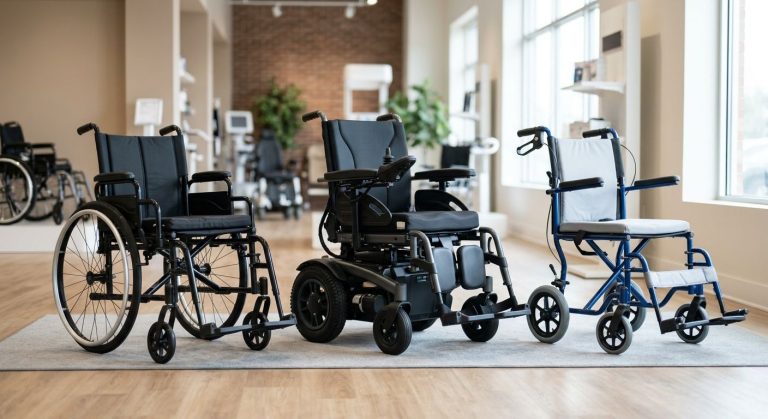
What Are the Three Types of Wheelchairs: A Complete Guide
Table of Contents Understanding the Three Types of Wheelchairs The Fundamentals of Manual, Power, and Transport Wheelchairs Medicare Qualification and Documentation for…
Read More
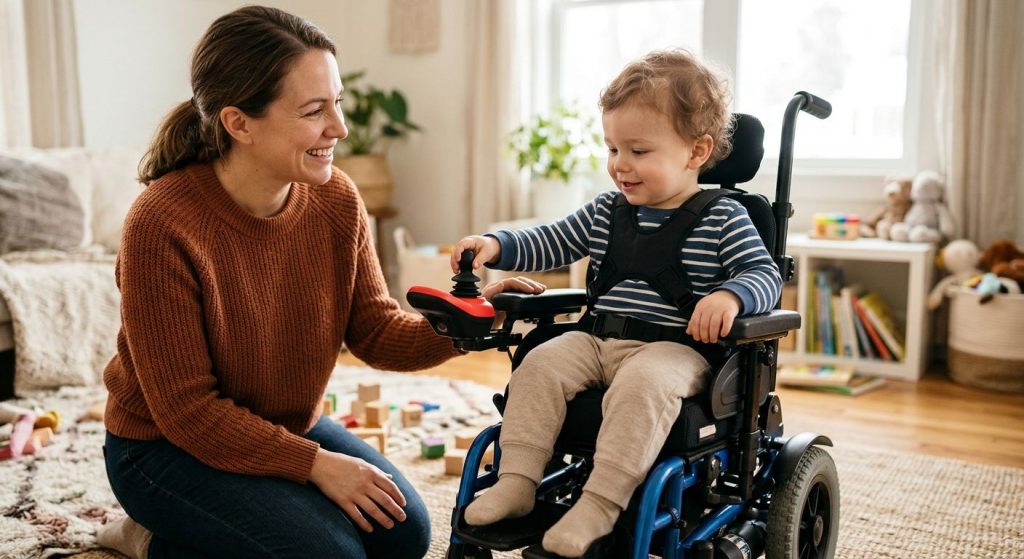
Parent perceptions of powered mobility often center on whether early use helps or hinders development. Research shows that powered mobility can support developmental exploration in young children, though parental hesitations—particularly concerns about motor development—remain common.
The Explorer Mini is the first powered wheelchair for kids ages 12-36 months old to be approved by the FDA, demonstrating that toddlers with conditions such as cerebral palsy and spina bifida can operate its joystick on their first visit with minimal training. As evidence has accumulated over time, it indicates that powered wheelchairs improve expressive behaviour, cooperation, task engagement, family interaction, and play quality among young children, giving parents reason to consider this option with confidence. That’s why parents should consider powering up their child at a time when they really need to do it.
Is there any effect on later progression towards walking if early power is used? This needs careful consideration as parents think about the potential advantages in independence that power can offer their children.
Parents often worry that getting a powered wheelchair instead of trying to learn to walk might slow their child’s progress in acquiring those motor skills. Actually, research doesn’t bear out this notion at all. Studies show toddlers who have cerebral palsy, spina bifida, and other diagnoses learned how to control a joystick during their first trip to the lab. In short, giving them some early powered mobility didn’t end up replacing more traditional ways of getting kids moving and exercising muscles. The Explorer Mini was developed as the first FDA-cleared powered mobility solution for children ages 12-36 months because it lets little ones get used to the concepts needed to move around freely while they continue working towards being able to take steps themselves.
In a study conducted in 2023 on six toddlers across four sessions, researchers noted that when children were standing they drove shorter distances but initiated driving bouts 187% more often than when seated. These findings revealed that powered mobility did encourage frequent, short bursts of activity rather than replace them altogether. Most joystick activations lasted less than one second, indicating a preference for quick exploratory movements that build coordination and spatial awareness. These findings suggest that incorporating powered mobility does not negatively interfere with other motor skills and helps clinicians provide necessary early interventions.
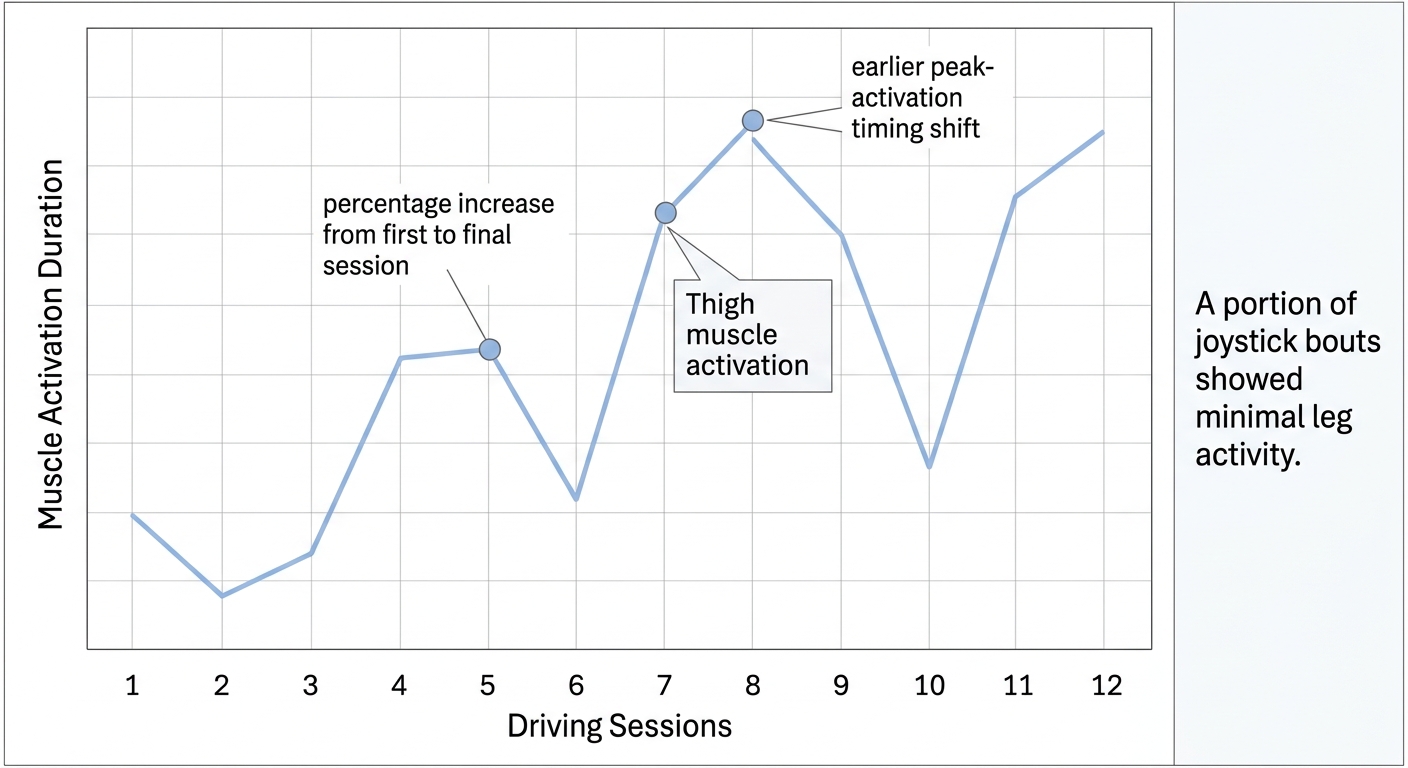
An EMG study conducted on 13 toddlers from 2025 through 12 sessions found that the duration time of quadriceps muscle activation increased by approximately 38%, going from their first to their last driving session. The peak timing for activation occurred at 0.47 seconds earlier by the end of the trial compared to the beginning. Researchers identified five distinct quadriceps activation patterns, indicating active neuromuscular development during powered mobility use. Approximately 48% of joystick initiation bouts showed minimal leg activity, so muscle engagement varies by child and session. Though powered mobility may allow for leg muscle engagement, not every child shows this trend consistently.
Ultimately, decisions about device timing and walking goals should be made with your child’s therapy team. We encourage families in Spring Valley, NY, and beyond to discuss powered mobility as part of a broader plan for motor development, ensuring each child’s unique needs guide the approach.
Independent mobility changes a child’s role from observer to a full player in daily activities. When a toddler has powered mobility, she is able to choose where she would like to travel and who her new buddies will be, giving her the opportunity for a more fulfilling experience as she interacts with other children, siblings and grown-ups. Moving from being a passive observer to becoming an active participant becomes critical during this phase of play, since that time is what creates relationships and sets the stage for development.
Research from RESNA, in a 2007 study of 23 young children, found that powered wheelchair use led to statistically significant improvements in expressive behavior, cooperation, and task engagement, with families reporting stronger interactions and higher-quality interactive and symbolic play. As a result, there were also increases in how frequently the child participated in physical activity. It should be noted however that there were no statistically significant changes in language skills. So these results suggest the benefits are best understood in social and play terms rather than language gains.
More recent RESNA research compared two early mobility options: the Permobil Explorer Mini and adapted ride-on cars. Over eight weeks, eight toddlers completed 558 movement bouts with the Explorer Mini compared to 325 with ride-on cars. While the average distance per bout was similar (164 meters versus 166 meters), families primarily used both devices near the home. This suggests that early powered mobility flourishes in familiar, everyday settings where children can explore and connect with their immediate world.
Even when there’s very strong evidence, parents can still have practical concerns. Many families remain hesitant despite the clear social and developmental advantages of powered mobility, which sets the stage for understanding why some parents feel uncertain about motorized wheelchairs.
It’s true that parents may be concerned about using power mobility as a form of play and social interaction because of worries that the technology could replace their child’s need to make his own effort in mobility. They might assume that using a power chair would deter their children from walking and developing physical skill. Some have apprehensions that their children would become too reliant upon the power mobility system. There was also some worry among parents that their children would suffer from social stigmatization based on peer and adult reactions toward the use of such devices. parent perceptions of powered mobility
The fact that their child may not yet be ready for something like this can certainly weigh on them at times. The idea of deciding which form will help them most, and concerns about posture and muscle development, can feel daunting too. Worries concerning any of this mean parents want the very best for their child, even if they may not understand why a particular type might be best or what its effects will be. These concerns are normal and reflect a parent’s deep desire to support their child’s growth and independence in the best possible way.
Research continues to explore how powered mobility interacts with a child’s development. Studies like the 2025 RESNA research on the Explorer Mini show that leg muscle activation patterns can vary widely among children using powered mobility devices. While some children engage their leg muscles more over time, others show minimal leg activity, highlighting the importance of individualized assessment and fitting. This variability underscores why professional guidance is essential when considering powered mobility for a child.
The above concerns should be worked on with specialists in order for families to examine what they have to deal with, assess the opportunities offered and make educated choices to provide them the ability to move about freely as well as establish themselves properly.
When parents’ opinions regarding powered mobility switch from being uncertain to curious, then it’s time for a professional assessment, no decision about a product yet. In fact, at MedEquipped, we help them go through a certain methodical process where all these aspects such as kid’s physical condition, home environment and also developmental readiness will be translated right into some kind of actionable next action. parent perceptions of powered mobility
First, we hold one-on-one meetings to discuss the child’s diagnoses as well as his day-to-day routine and the family’s goals. Then, our ATP visits the child in Spring Valley, NY, measuring strength, coordination, and postural abilities to decide what type of wheelchair would be most suitable. The second visit takes place at home within the Hudson Valley, and here we take measurements for doorway sizes, hallway clearance, etc. We ensure that the wheelchair will fit into the actual room he lives in. In the end, each test and measurement is documented so the insurance company can see why this particular device is medically necessary, whether it’s a Medicare Benefit Verification or the actual paperwork for filing. This way parents don’t have to worry about filling out paperwork and the focus stays on the child’s health, safety, and overall comfort and independence.
When evaluating a child’s ability to drive a wheelchair, clinicians utilize tests such as the Powered Mobility Program, which evaluates up to 34 indoor and outdoor driving tasks and the Assessment for Learning Powered Mobility (ALP), which assesses emotional, intellectual, and behavioral readiness. Research studies presented at RESNA 2019 showed that when looking at simulator-based training, among twelve children ranging from ages 5-18 who had been diagnosed with cerebral palsy and neuromuscular conditions, there were no substantial differences found between their scores on the MiWe-C simulator versus their scores on real world wheelchair skills. This indicates that a simulator may be able to supplement or take place of traditional practice methods, allowing a child to have more experience being in a wheelchair and feel confident going into a powered mobility device.
A child’s current physical needs, living space setup, and the final paperwork will all influence this choice about his special wheelchair, after which we may move on to certain future decisions.
Parent perceptions of powered mobility often center on independence and safety, which is why selecting the right custom motorized wheelchair matters so much. Once a clinician has confirmed your child is ready for powered mobility, the next step is finding a chair that grows with them while meeting their unique postural and mobility needs.
The first step is the assessment which takes one-two hours. A Certified Assistive Technology Professional will evaluate your child’s physical capabilities as well as his/her daily activities, what he/she does at home, how the new chair will fit him/her and their living area. We will measure door widths, check for architectural barriers, and identify the optimal seating, frame dimensions, and drive system for long-term comfort and maneuverability. Families in Spring Valley, NY, and across the Hudson Valley benefit from on-site assessments that streamline the path to funding approval.
Most insurers, including Medicare, will require you to see a doctor in person for a face-to-face exam as well as provide them with official documents that verify the need for services. The rules state that you have to have a mobility exam within six months from the time you make the claim. Medicare also requires a seven-element physician order be completed within 45 days. That’s why we handle everything else on your behalf. We work closely with your clinician and help put together the documentation that needs to be filled out when filing your insurance claims. Our attention to detail helps avoid delays and keeps the process moving forward efficiently.
Our timeframe is around 30 to 60 days from funding approval to delivery, which is much quicker than the typical six-month industry average. Once your chair arrives, we handle setup and final fitting to confirm everything aligns with your child’s needs. Recharging the batteries on a daily basis and inspecting tires regularly can improve how well the equipment will hold up over time as your child grows older, allowing the investment to continue to pay off both now and in years to come.
No. Research shows powered mobility does not interfere with motor skill development. Toddlers with cerebral palsy and spina bifida learned to control a powered wheelchair on their first visit without replacing other movement activities. Early powered mobility encourages frequent, short bursts of activity that build coordination and spatial awareness.
Powered mobility lets a child choose where to go and who to interact with, shifting her role from observer to active participant. Studies found significant improvements in expressive behavior, cooperation, task engagement, family interaction, and play quality after children received powered wheelchairs. Physical activity frequency also increased.
Parents often worry that powered mobility will replace their child’s effort to walk or lead to over-reliance on the device. Some also fear social stigma or have concerns about posture and muscle development. These concerns reflect a desire to support their child’s growth while ensuring comfort and independence.
Clinicians conduct one-on-one meetings to discuss the child’s diagnoses, daily routine, and family goals. They perform in-person assessments of strength, coordination, and postural abilities, then document findings to support medical necessity for insurance approval. Simulator-based training is also used to build confidence before transitioning to a real wheelchair.
Parents commonly worry about whether the device will fit their home environment, if their child will accept or enjoy using it, and how to manage funding paperwork. They also seek reassurance about long-term comfort, maneuverability, and the practical steps required to secure coverage from insurers like Medicare.
After weighing the options and considering your parent perceptions of powered mobility, you’ve likely recognized that a custom motorized wheelchair can transform your child’s comfort and daily life. The right chair starts with a professional evaluation by a Certified Assistive Technology Professional following RESNA standards, ensuring every adjustment supports long-term well-being.
If you have any questions, call our office located in Spring Valley, New York and we’ll handle all the rest: Medicare paper work, verification on coverage, deliveries will be made within 30 to 60 days of order (less than what other companies take). Verify your Medicare or insurance coverage with us. Please speak to your child’s treating healthcare professional to confirm medical necessity. Results may vary
Begin your journey today by contacting MedEquipped at 845-237-2381 or intake@medequipped.com to schedule your evaluation.
You’ve now seen what research says about powered mobility for young children, from the developmental gains documented in RESNA studies to the honest answer on whether a powered wheelchair delays walking. You also understand how a professional evaluation converts hesitation into informed confidence, measuring everything from your child’s physical needs to door widths in your home. The next step is a conversation with a team that knows this process inside and out. MedEquipped in Spring Valley, NY provides evaluations, personalized fittings, and full support with Medicare and insurance paperwork, typically delivering custom motorized wheelchairs in 30 to 60 days. You can reach us at (845) 237-2381 or intake@medequipped.com, or visit us at 747 Chestnut Ridge Road in Spring Valley, NY. Results may vary, so verify your Medicare or insurance coverage and consult your child’s healthcare professional about medical necessity. Taking that first step toward greater independence for your child starts with a simple evaluation.
Start Your Child’s Evaluation Today
Table of Contents Understanding the Three Types of Wheelchairs The Fundamentals of Manual, Power, and Transport Wheelchairs Medicare Qualification and Documentation for…
Read More
Table of Contents The Most Difficult Challenges for Wheelchair Users in Spring Valley, New York Understanding Physical and Environmental Accessibility Barriers How…
Read More
Table of Contents The Professional Approach to Power Wheelchair Programming Before You Begin: Preparing for Programming Step 1: Understand Your Controller and…
Read More