MedEquipped

Tag: motorized wheelchairs

  • ADA Accessible Medical Equipment Deadlines 2026: Key Guide

    ADA Accessible Medical Equipment Deadlines 2026: Key Guide

    Table of Contents

    A Turning Point for Healthcare Accessibility

    A transformative shift is underway in healthcare accessibility, thanks to renewed enforcement of the Americans with Disabilities Act and new guidance from the Department of Justice. With the ada accessible medical equipment deadlines 2026 on the horizon, individuals with mobility challenges and the facilities that serve them are facing a critical but welcome opportunity to create more inclusive care environments.

    The DOJ medical diagnostic equipment rule now mandates that accessible exam table requirements be met by a specific compliance date, meaning hospitals, clinics, and practices must upgrade their spaces and equipment. At the same time, organizations like the Rehabilitation Engineering and Assistive Technology Society of North America (RESNA) continue to set the standard for rehabilitation technology, ensuring that solutions not only meet legal requirements but also serve real clinical needs.

    At MedEquipped, we view these changes as a chance to empower our clients rather than overwhelm them. We specialize in custom motorized wheelchairs tailored to each person’s unique diagnosis and lifestyle, and we handle the entire funding and paperwork process from start to finish. Our certified ATP-led evaluations ensure that every wheelchair is configured for comfort, safety, and independence—helping individuals and facilities meet the new accessibility standards without the hassle.

    We invite you to explore how MedEquipped can be your partner in mobility freedom during this pivotal moment. As regulations continue to evolve, having a dedicated team on your side makes all the difference.

    Disclaimer: This information is not medical advice and is for informational purposes only. Individual outcomes may vary. Consult a healthcare professional before making clinical decisions.

    Understanding the 2026 MDE Deadlines

    The ada accessible medical equipment deadlines 2026 represent a significant milestone in healthcare accessibility. As we discussed in the broader context of ADA regulations, the Department of Justice has established firm compliance dates that you need to know. These deadlines focus on ensuring that individuals with disabilities have equitable access to medical diagnostic equipment (MDE) — a cornerstone of the DOJ medical diagnostic equipment rule.

    The July 8, 2026, Deadline for Accessible Exam Tables

    Mark your calendar: July 8, 2026, is the date when your facility’s examination tables must be compliant with federal accessibility standards. This cut-off date, established under the DOJ medical diagnostic equipment rule, specifically targets examination tables used in patient care. The regulation requires that a specified percentage of these tables in your practice be height-adjustable and capable of accommodating patients who use wheelchairs or have other mobility limitations. Meeting the accessible exam table requirements is not just about regulatory compliance — it is about ensuring every patient receives dignified, equitable care.

    Which Medical Equipment Must Be Compliant?

    Beyond exam tables, the rule applies to several other categories of medical diagnostic equipment. Your facility must ensure that a designated percentage of equipment in each category is accessible. This includes weight scales that accommodate wheelchairs, imaging equipment such as mammography machines with adjustable platforms, and other diagnostic devices used in routine care. The Rehabilitation Engineering and Assistive Technology Society of North America (RESNA) provides the technical specifications and standards that guide equipment accessibility. According to RESNA, these standards ensure that equipment is designed for safe and independent use by patients with a wide range of disabilities.

    Who Must Comply?

    The DOJ rule casts a wide net, applying to healthcare providers that offer medical diagnostic services. This includes private practices, hospitals, outpatient clinics, and specialty diagnostic centers. If your organization uses examination tables, weight scales, or imaging equipment to evaluate patient conditions, you are likely covered. The requirement is clear: you must have accessible equipment available in each category, and your staff should be trained to use it effectively.

    We know that navigating these regulations can feel overwhelming, but you do not have to do it alone. At MedEquipped, we see ourselves as your partner in mobility freedom, and we are here to help you understand and meet these compliance requirements. Understanding these deadlines is the first step, and in the next section, we will walk you through the practical steps you can take to prepare your practice for full compliance.

    Deep Dive: Standards for Exam Tables, Scales, and Exam Chairs

    As we covered in our overview of the broader MDE equipment landscape, the ADA accessible medical equipment deadlines 2026 are driving significant attention toward clinical furnishings. Among these, accessible exam table requirements occupy a central position in any practice’s compliance planning. Understanding what makes a surface truly accessible means going beyond general accessibility principles and examining the specific dimensions, capacities, and features that the DOJ medical diagnostic equipment rule mandates.

    Exam Tables

    When we evaluate accessible exam table standards, the transfer height—the distance between the floor and the top of the compressed seat surface—is the single most critical measurement. RESNA, the Rehabilitation Engineering and Assistive Technology Society of North America, defines that an accessible transfer surface must be positioned low enough to allow a patient to slide laterally from a wheelchair without lifting their body weight vertically. For the majority of manual and power wheelchair users, this means a transfer height range that reaches down to at least 17 to 19 inches at its lowest setting. Patients who use power wheelchairs for seniors benefit from tables with extra-low transfer heights and wide adjustment ranges that accommodate the higher seat-to-floor dimensions common on heavy-duty power bases.

    The DOJ medical diagnostic equipment rule also establishes weight capacity benchmarks that exceed what many older fixed-height tables were designed to support. We have compiled the following models to illustrate how current-generation exam tables meet these requirements through specific exam table compliance features.

    The following table compares four accessible exam table models across transfer height range, weight capacity, and the key compliance feature that distinguishes each design:

    Model / BrandTransfer Height RangeWeight CapacityKey Compliance Feature
    Model A (Midmark 626)18–25 inches500 lbsFull electric height adjust
    Model B (Hausmann Power-Pro)17–36 inches600 lbsExtra-low transfer height
    Model C (Brewer ComfortView)19–30 inches450 lbsBuilt-in positioning accessories
    Model D (Oakworks MedPro)18–38 inches550 lbsWide range for wheelchair transfers

    Source: U.S. Access Board standards for MDE transfer surfaces and manufacturer specifications from MedEquipped.

    The Midmark 626 delivers full electric height adjustability across a solid 18-to-25-inch range, making it a dependable mainstream option for clinics upgrading from manual tables. The Hausmann Power-Pro stands out with an extra-low transfer height of just 17 inches and the highest weight capacity among these models at 600 lbs, a combination that particularly benefits bariatric patients and individuals with lower seat heights. For practices that need integrated positioning support, the Brewer ComfortView includes built-in accessories that help patients maintain stability during exams, while the Oakworks MedPro offers the widest adjustment range—spanning 20 vertical inches—to accommodate an exceptionally broad spectrum of wheelchair transfer scenarios.
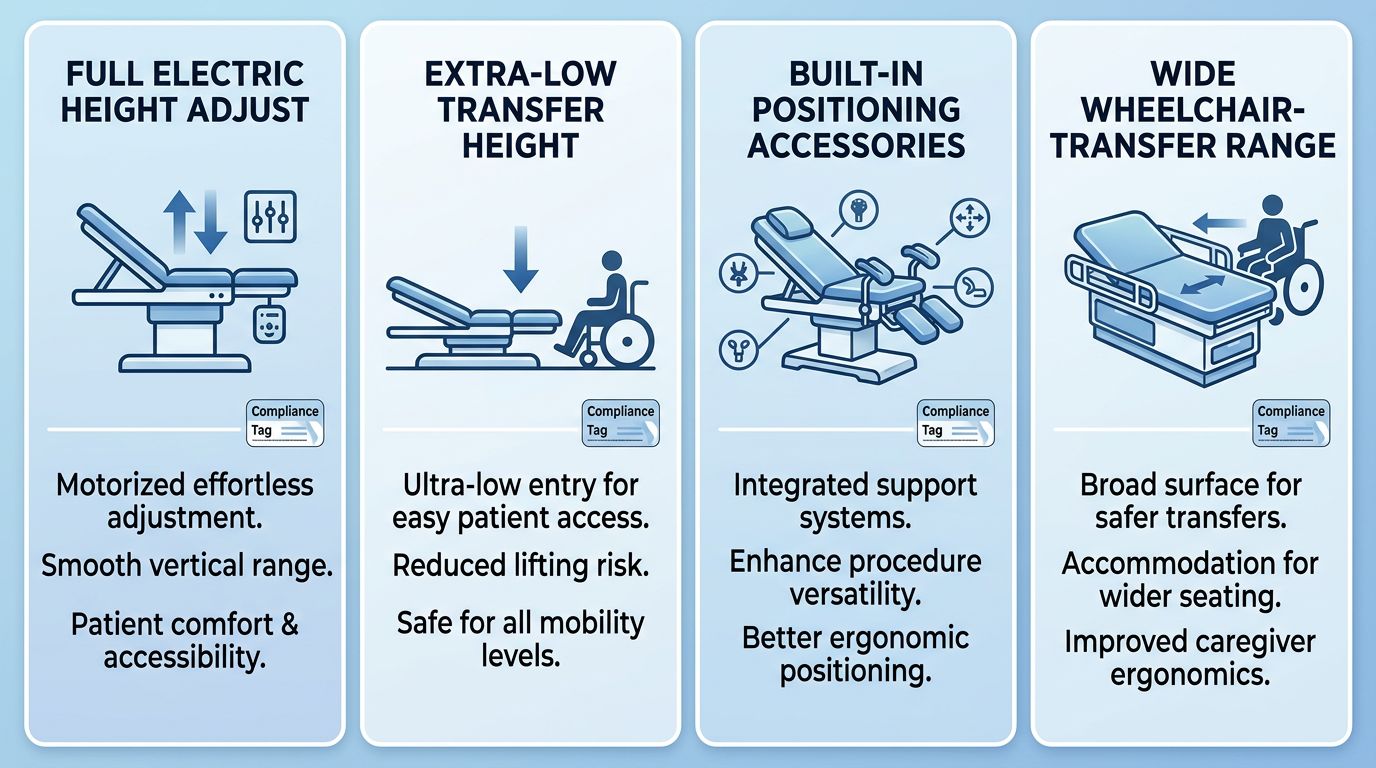
    Four-panel infographic comparing exam table models: Full Electric Height Adjust, Extra-Low Transfer Height, Built-in Positioning Accessories, and Wide Wheelchair-Transfer Range, with icons and compliance tags.

    Comparison of four exam table models highlighting key compliance features.

    Selecting the right table involves balancing these dimensions against the specific patient population a practice serves. A clinic with a high volume of wheelchair users may prioritize an extra-low minimum transfer height, while a general practice might focus on overall adjustability and positioning flexibility.

    Scales

    Accessible scales address a barrier that many patients encounter before the exam even begins. Under the accessible exam table requirements framework, a compliant medical scale should feature a platform height no higher than 2 to 3 inches above the floor to allow a wheelchair to roll onto it directly, or it must accommodate a transfer board approach. Handrails on both sides provide stability during weighing, and the weight capacity should reach at least 600 lbs to safely serve bariatric patients along with their mobility devices. A wheelchair-accessible design that permits a patient to remain seated in their chair throughout the measurement eliminates the need for a potentially risky stand-and-transfer maneuver.

    Exam Chairs

    Exam chairs bridge the gap between standard waiting-room seating and full examination tables, and the DOJ medical diagnostic equipment rule applies the same transfer-surface logic to these devices. A compliant exam chair provides adjustable seat height that reaches down to a low transfer range, typically between 17 and 22 inches, allowing a patient to slide across from a wheelchair with minimal vertical displacement. Removable armrests further facilitate lateral transfers by clearing the path from the wheelchair to the chair seat. A supportive backrest and stable base round out the essential design characteristics, and we recommend confirming that any chair under consideration meets the same transfer-surface standards that govern exam tables.

    Meeting the ADA accessible medical equipment deadlines 2026 is about more than regulatory compliance. It is about ensuring that every patient who enters a medical examination room can receive care with dignity and safety. By selecting exam tables, scales, and chairs with documented exam table compliance features, practices build an environment where mobility challenges do not become barriers to quality care. In the next section, we will walk through the practical steps of purchasing and implementing this equipment so that your practice is ready well before the compliance deadline.

    This information is for informational purposes only and does not constitute medical advice. Consult a healthcare professional before making clinical equipment decisions. Results may vary; individual outcomes are not guaranteed.

    A Practical Path to Compliance for Your Facility

    Now that you understand the requirements of the DOJ medical diagnostic equipment rule, it is time to shift from awareness to action. Meeting the ADA accessible medical equipment deadlines 2026 does not have to be overwhelming—with a clear roadmap, your facility can move forward confidently. The following steps will guide you through auditing your current setup, planning upgrades and budgets, and partnering with the right specialists to ensure every exam table, stretcher, and imaging unit meets accessible exam table requirements before the July 2026 deadline.

    Conducting a Compliance Audit of Existing Equipment

    Start by inventorying all medical diagnostic equipment in your facility, including exam tables, stretchers, and imaging systems. For each piece, measure the transfer height—the distance from the floor to the top of the seat or platform—and compare it against the transfer-height standards established by the Access Board. Adjustable equipment should be able to reach a low range of 17 to 19 inches to accommodate patients who use wheelchairs. Document which units currently comply, which can be adjusted, and which need full replacement.

    To help you choose the right evaluation approach, consider the three frameworks outlined below. A self-audit, conducted by your in-house team, typically takes one to two weeks and involves minimal cost for basic measuring tools; it is ideal for an initial check and budget planning. A third-party audit brings in an external compliance consultant who completes the review in one to three days, providing a detailed gap analysis for a moderate fee. For the most comprehensive path, an ATP-led assessment involves a certified Assistive Technology Professional—such as a member of the MedEquipped team—who evaluates your entire environment over a customized timeline of one to four weeks and includes specific equipment recommendations.

    Comparison of Audit Frameworks
    Audit TypeTimelinePrimary BenefitRecommended For
    Self-Audit1–2 WeeksLow Cost / Initial PlanningFoundational assessment
    Third-Party Audit1–3 DaysExpert Gap AnalysisLiability documentation
    ATP-Led Assessment1–4 WeeksHolistic Patient-Centered SpecsFull clinical implementation

    A well-documented audit not only clarifies your compliance standing but also strengthens your position when seeking insurance reimbursement or defending against potential liability claims. Standards developed through RESNA certification and standards inform the evaluation criteria for adjustable-height exam tables and accessible stretchers, giving your documentation added credibility with regulators and funding sources.

    Planning Upgrades and Budgeting for the Deadline

    Once your audit is complete, prioritize replacements by focusing on areas with the highest patient volume, greatest safety risk, and simplest upgrade paths. Often, replacing an older fixed-height table with an adjustable exam table yields immediate benefits for both patient access and staff workflow.

    Funding these upgrades may feel daunting, but several options can help offset the expense:

    • Operational budget allocations spread costs across fiscal periods.
    • Insurance coverage may reimburse some equipment upgrades as part of facility modernization.
    • Grant programs from federal, state, or philanthropic organizations often support accessibility improvements.

    Building a multi-year budget that phases purchases leading up to 2026 ensures you can maintain financial stability while steadily improving your facility’s equipment.

    Partnering with Specialists for Seamless Implementation

    Selecting the right equipment and coordinating deliveries before the July 2026 cutoff requires hands-on expertise. We at MedEquipped recommend working with ATP-certified specialists who understand not only the technical specifications of compliant exam tables and stretchers but also the clinical workflow needs of your practice. Our team brings a structured, patient-centered process to every project—we handle the paperwork, insurance navigation, and coordination so your staff can stay focused on patient care.

    For example, when a facility partners with MedEquipped for an ATP-led assessment, we provide more than a checklist. We learn how your clinicians work, measure spaces, recommend equipment configurations that meet transfer-height standards, and then manage the entire order and delivery timeline. Our ability to complete custom orders in 30 to 60 days—significantly faster than the six months or longer that is common in the industry—gives you the scheduling confidence you need. We also remain available for post-delivery support, adjustments, and staff training to ensure the new equipment integrates smoothly.

    While our core experience lies in mobility solutions such as power wheelchairs for seniors, the same clinical rigor, documentation discipline, and coordination capabilities translate directly into MDE compliance planning. Whether you are upgrading a single exam room or rolling out a site-wide accessibility initiative, we can help you build a timeline that respects your operational realities. Results may vary; individual outcomes are not guaranteed.

    With a clear plan and the right partners, your facility can meet the 2026 deadline confidently and continue serving every patient with the dignity and respect they deserve.

    Advanced Integration: Aligning MDE Compliance with Clinical Mobility Planning

    Meeting the 2026 MDE compliance deadline means healthcare facilities must pair accessible exam tables and diagnostic equipment with a comprehensive mobility strategy. For many patients, especially those requiring a custom motorized wheelchair provider, smooth clinical care starts with the right seating and positioning long before they reach an appointment. We help our partners in New York, Georgia, and Michigan see this as one integrated workflow — not separate regulatory and clinical tasks.

    A facility that invests early in clinical mobility planning can avoid the high cost of retrofitting rooms later. RESNA, the Rehabilitation Engineering and Assistive Technology Society of North America, guides that certified Assistive Technology Professionals (ATP) evaluate the whole person — not just the wheelchair — which parallels the ADA’s emphasis on accessible diagnostic environments. Aligning these efforts may streamline both compliance documentation and patient throughput.

    That’s where we step in as your custom motorized wheelchair provider. Our team coordinates the clinical evaluation, insurance navigation, and custom chair delivery while keeping MDE accessibility in full view. Whether you’re updating an exam room with a height-adjustable table or ordering a power chair for a patient with complex positioning needs, our ATPs bring both clinical insight and regulatory awareness to the conversation. As a custom wheelchair provider and power wheelchair specialist, we handle the paperwork, funding, and coordination so you can focus on patient outcomes.

    Thinking about compliance early sets the foundation for everything that follows — from selecting the right equipment to planning a step-by-step procurement process. We work alongside facilities to map out a path that respects the 2026 deadlines without overcomplicating day-to-day operations. That integrated framework is what we explore next when we look at how to build a practical custom wheelchair acquisition plan.

    Frequently Asked Questions

    What is the process to get a custom power wheelchair from MedEquipped?

    Your journey starts with an evaluation by one of our certified Assistive Technology Professionals, following standards set by the Rehabilitation Engineering and Assistive Technology Society of North America (RESNA). We coordinate your prescription, required documentation, and conduct a fitting to match the chair to your clinical needs. Our team then handles the insurance paperwork and coordination from start to finish.

    How long does it take to receive my custom chair?

    Most orders are completed within 30–60 days (faster processing). The exact timeline can depend on insurance authorization speed and the specific customizations involved. We keep you updated at every stage so you always know the status.

    Do you help with insurance and paperwork?

    Absolutely. We handle the paperwork, insurance navigation, and coordination for you. From verifying your benefits to managing prior authorizations with your physician, our goal is to make the funding process seamless.

    Are there ADA accessible medical equipment deadlines in 2026 that affect power wheelchairs?

    Yes, recent updates to the Americans with Disabilities Act focus on improving access to accessible medical diagnostic equipment by 2026. These deadlines encourage healthcare facilities to have exam tables and diagnostic tools that accommodate wheelchair users, ensuring you receive equitable care during medical appointments.

    What is the DOJ medical diagnostic equipment rule?

    The Department of Justice rule requires certain healthcare providers to ensure their medical diagnostic equipment is accessible to people with disabilities. For our clients, this means more exam rooms will feature adjustable tables and clear floor space, making your medical visits safer and more dignified.

    Do I need a prescription for a custom motorized wheelchair?

    Yes, a face-to-face physician evaluation and a written order are required to justify medical necessity. We guide you through this step, helping your provider document your mobility limitations so the right equipment is approved.

    What kind of support comes after delivery?

    We’re your partner in mobility freedom for the long term. Our local service teams across New York, Georgia, and Michigan provide adjustments, maintenance, and troubleshooting. Most repairs are completed within 3 to 7 business days, with urgent needs getting same-day assessments.

    Consult a healthcare professional before making clinical decisions.

    Compliance in Motion

    As you plan for mobility, the ADA accessible medical equipment deadlines 2026 and the DOJ Medical Diagnostic Equipment Rule mandate that new exam tables and scales meet accessible exam table requirements. As a custom motorized wheelchair provider, we ensure your chair aligns. Key points:

    • The 2026 deadline covers new and altered equipment.
    • We handle the paperwork, insurance navigation, and coordination as your partner in mobility freedom.
    • Chairs fit accessible exam tables seamlessly.

    Proactively addressing ADA accessible medical equipment deadlines 2026 safeguards your mobility. Results may vary; individual outcomes are not guaranteed. Consult a healthcare professional before making clinical decisions.

    Resources

  • Get Power Wheelchair Joystick Alternatives: Upgrade Your Mobility

    Table of Contents

    Exploring Joystick Alternatives for Power Wheelchairs

    While a standard joystick works well for many, some users benefit from power wheelchair joystick alternatives that match their specific abilities and physical limitations. We assess each person’s abilities to recommend the best method available. We see a head array power wheelchair system as a practical solution for those with limited hand function—the user steers by gently pressing against a padded headrest, turning subtle head movements into confident direction changes. Another option is sip and puff wheelchair control, where the driver uses soft puffs and sips into a tube to command forward, reverse, and turning motions, making it ideal for users with no limb mobility.

    MedEquipped provides custom wheelchair controls for head arrays, sip-and-puff, and other non-joystick inputs, following RESNA guidelines. As your partner in mobility freedom, we handle the clinical evaluation, insurance navigation, and final fitting so you receive a setup that truly fits. Our team works closely with each client to explore every suitable alternative driving input before finalizing a configuration.

    Individual outcomes may vary, and this information is not medical advice. Always consult a healthcare professional before making clinical decisions.

    Head Array Power Wheelchair Control

    For users who cannot operate a standard joystick, head array technology offers a compelling solution as a power wheelchair joystick alternative. This hands-free system translates subtle head movements into precise steering and speed commands, eliminating the need for hand function entirely and opening a world of independent mobility.

    Overview

    A head array system uses directional head movements tilt forward, back, and side-to-side or rotationto control a power wheelchair’s direction and speed. Sensors built into the headrest continuously detect these motions and relay them to the chair’s drive electronics, providing a touchless driving experience for individuals with minimal upper-body control.

    Features

    The head array power wheelchair system incorporates multiple sensors for reliable, continuous tracking, ensuring responsive performance during everyday use. Compatible with major power wheelchair bases such as Permobil and Quickie, these arrays adjust sensitivity settings to reduce accidental input while maintaining full hands-free operation. As part of our custom motorized wheelchairs, we configure every array to match your clinical profile and driving style.

    Pricing

    Because every configuration is unique, we provide a custom quote tailored to your needs. Head array systems are often covered by wheelchair insurance when supported by proper clinical documentation, and we handle the paperwork, insurance navigation, and coordination so you can focus on reclaiming your independence.

    Pros and Cons

    The main advantage of head array control is that it requires no hand function while delivering precise directional control. However, users should expect an initial learning curve while they adjust to steering with their head, and some may experience head fatigue during extended use. Compared to a sip and puff wheelchair control, head arrays often feel more intuitive for driving but demand greater neck endurance.

    Best For

    Ideal candidates include individuals with minimal hand function, those living with C1–C4 spinal cord injuries, ALS (amyotrophic lateral sclerosis), or severe arthritis affecting the hands. A clinical evaluation by our certified ATP team determines the most appropriate control method for each person’s physical abilities and lifestyle needs.

    Results may vary; individual outcomes are not guaranteed. Consult a healthcare professional before making clinical decisions. This information is for educational purposes only and does not constitute medical advice.

    Sip-and-Puff Wheelchair Control

    One of the most reliable power wheelchair joystick alternatives is sip-and-puff wheelchair control. This pneumatic technology translates a user’s breath into precise driving and functional commands, removing the need for any hand or arm movement entirely. As a partner in mobility freedom, we see this option transform daily independence for individuals who have been told traditional controls aren’t possible.

    Overview

    Sip and puff wheelchair control uses a tube positioned near the mouth to detect inhalation (sip) and exhalation (puff) signals. Light pressure from your breath tells the wheelchair to move forward, reverse, turn, or stop. Auxiliary functions — like sounding a horn or adjusting seating — can be programmed as well. No hand or arm movement is required, which opens new pathways for people living with high-level spinal cord injuries, tetraplegia, or neuromuscular conditions.

    Features

    When our team fits a sip-and-puff system, we program it to match each individual’s breathing pattern and lifestyle needs. Key performance characteristics include:

    • Proportional breath control – The intensity of each sip or puff determines speed and turning radius, so you get smooth, intuitive driving that feels responsive rather than jerky.
    • All-weather reliability – Because the system uses pneumatic switches rather than exposed electronics, it performs consistently in rain, snow, and humidity without false triggers.
    • Multiple programmable commands – Beyond forward, reverse, left, and right, the setup can incorporate five or more distinct commands. Horn activation, seat elevation, power leg rests, and environmental controls can be added based on your evaluation.
    • Zero upper-extremity requirement – The system works entirely from oral input, making it one of the most accessible wheelchair driving methods for someone with no functional arm or hand movement.

    Pricing

    While stair lift cost varies based on installation and home layout, sip-and-puff wheelchair control is typically covered by insurance. Medicare, Medicaid, and private insurance plans will usually fund a breath-controlled power wheelchair when a letter of medical necessity accompanies the order. We handle the paperwork, insurance navigation, and coordination from start to finish. Our 30-60 days (faster processing) timeline means you receive a fully fitted custom motorized wheelchair sooner than through most national suppliers.

    Pros and Cons

    No single control method fits every situation, so we walk you through the trade-offs honestly:

    Pros:

    • Intuitive learning curve – Many users report that sip-and-puff signals feel natural within a few training sessions because breath control is an innate motor pattern.
    • Low mechanical maintenance – Without joystick gimbals or delicate touchpads, there are fewer components to wear out.
    • Lightweight interface – The sip-and-puff tube and switch box add minimal weight compared to head arrays or chin controls.

    Cons:

    • Consistent breathing capacity required – Individuals with compromised respiratory function may find sustained sip-and-puff driving fatiguing.
    • Respiratory illness considerations – A respiratory infection or seasonal allergy flare-up can temporarily alter your breathing precision.
    • Attention to oral hygiene – Because the tube resides near the mouth, saliva management and regular cleaning are part of the daily routine.

    Best For

    Sip-and-puff wheelchair control often becomes the primary driving method for individuals who lack functional hand or arm movement. Common diagnoses we see: Tetraplegia (C1–C4), High-level spinal cord injury, Muscular dystrophy, ALS, Arthrogryposis, and Severe cerebral palsy.

    Results may vary; individual outcomes are not guaranteed. Consult a healthcare professional before making clinical decisions. Information is not medical advice and is for informational purposes only.

    Touchless Infrared and Proximity Controls

    If traditional joystick controls present challenges, touchless infrared or proximity switches offer another hands-free option. These systems detect hand or finger proximity without physical contact, serving as effective power wheelchair joystick alternatives for individuals with limited dexterity or strength.

    Overview

    Infrared and proximity controls use sensors to detect a hand or finger nearby, triggering movement without requiring physical force. They are discreet and support users who find manual joysticks difficult to manage.

    Features

    These controls eliminate the need to grip or push a joystick. Key features include an adjustable detection range, mounting on a headrest or armrest, and minimal ongoing maintenance. Settings can be fine-tuned during a clinical evaluation.

    Pricing

    Covered under most insurance plans when prescribed by a specialist; MedEquipped provides free estimates. We handle the paperwork, insurance navigation, and coordination so families can focus on mobility.

    Pros and Cons

    On the plus side, touchless controls require very little movement and maintain a discreet appearance. On the downside, consistent positioning of the hand or finger within the sensor range is essential for dependable operation.

    Best For

    These controls are especially helpful for users with very limited movement, severe tremors, or conditions such as cerebral palsy or ALS. For real-world experiences, see our power wheelchair reviews.

    Comparing Power Wheelchair Joystick Alternatives

    To help you decide, here is how the top power wheelchair joystick alternatives stack up against each other for different mobility needs.

    At-a-Glance Comparison Table

    Joystick Alternative Comparison
    AlternativeControl MethodBest ForLearning CurveTypical Cost
    Head ArrayHead movementsLimited hand functionModerateCustom quote (insurance covers)
    Sip-and-PuffBreath inputsTetraplegia/ALSLowCustom quote (insurance covers)
    Touchless/ProximityHand proximitySevere tremorsLow-ModerateCustom quote (insurance covers)

    According to RESNA clinical standards, these alternative controls are proven solutions for complex mobility cases. All three options are available on QUICKIE, ROVI X3, and TDX SP2 HD power bases.

    Results may vary; individual outcomes are not guaranteed. Consult a healthcare professional before making clinical decisions.

    Find Your Perfect Control Solution with MedEquipped

    For individuals seeking power wheelchair joystick alternatives, MedEquipped takes a collaborative and clinical approach. We go beyond standard input methods, offering a range of alternative joystick options for power wheelchairs, such as a supportive head array power wheelchair configuration or an intuitive sip and puff wheelchair control system.

    Our comprehensive process starts with a thorough evaluation. As certified ATP evaluators, we assess your physical abilities, daily challenges, and personal goals to identify the most effective, non-joystick wheelchair controls for you. This may include matching you with a system like the modular ROVI X3, which is designed for complete personalization. Unlike generic suppliers, we are your partner in mobility freedom. We handle the paperwork, insurance navigation, and coordination, aiming to complete most custom orders within 30–60 days (faster processing). Our thorough evaluation ensures that you receive custom wheelchair controls tailored to your specific needs.

    If you’re ready to explore advanced driving options, contact us today to schedule your evaluation and find your perfect control solution. Results may vary; individual outcomes are not guaranteed.

    Resources

  • PT Solutions Physical Therapy Alternatives: Top 5 Options 2026

    PT Solutions Physical Therapy Alternatives: Top 5 Options 2026

    Table of Contents

    Finding the Right Power Wheelchair After Physical Therapy Referral

    Once you have a physical therapy referral, perhaps from a specialist like PT Solutions Physical Therapy, the next step is finding the right power wheelchair for your needs. Our team at MedEquipped takes over from there, handling every detail so you don’t have to navigate the process alone.

    We begin by coordinating a power wheelchair physical therapy evaluation to assess your mobility requirements and match you with a custom motorized wheelchair from trusted brands. As your trusted custom power wheelchair provider, MedEquipped manages the entire insurance navigation—including Medicare power wheelchair physical therapy documentation—and we process your custom chair in just 30–60 days, far faster than the industry average.

    We’re proud to be your partner in mobility freedom, serving patients across New York, Georgia, and Michigan. We handle the paperwork, insurance navigation, and coordination so you can focus on recovery. This information is not medical advice — consult your healthcare provider before making clinical decisions. Results may vary.

    Understanding Power Wheelchair Options Through Physical Therapy Partnerships

    Once you’ve recognized the need for a power wheelchair, working with a physical therapy professional ensures you choose the right one for your unique situation. At MedEquipped, we believe the best physical therapy solutions come from close collaboration between patients, licensed therapists, and our certified mobility specialists. This team approach simplifies the selection process and helps match you with a chair that truly fits your daily life.

    Medicare Coverage for Power Wheelchairs and the Role of Physical Therapy

    The Clinical Evaluation Process: From PT Referral to Custom Fit

    Choosing a Custom Motorized Wheelchair Provider That Works with Your PT

    Your Next Steps Toward Mobility Freedom with MedEquipped

    Resources

  • Jazzy Power Wheelchairs Comparison: Elite HD vs Carbon

    Jazzy Power Wheelchairs Comparison: Elite HD vs Carbon

    Table of Contents

    Jazzy Power Wheelchairs: Reliable Mobility Solutions

    Jazzy power wheelchairs from Pride Mobility deliver reliable, customizable mobility solutions that enhance independence for daily life. As your partner in mobility freedom, we guide you to the right model tailored to your needs.

    The heavy-duty Jazzy Elite HD offers robust support with superior weight capacity, ideal for demanding use, while the lightweight Jazzy Carbon provides portable convenience for travel. According to Centers for Medicare & Medicaid Services (CMS), qualifying users may access Group 2 power wheelchairs like these under the medicare wheelchair coverage policy, as detailed in MedEquipped’s FAQ.

    We handle the paperwork, insurance navigation, and coordination—from clinical evaluations and custom fittings to ordering, delivery, and ongoing support—in 30-60 days (faster processing). Contact us today for your personalized evaluation.

    Information is not medical advice and is for informational purposes only.

    1. Heavy-Duty Jazzy Elite HD Performance

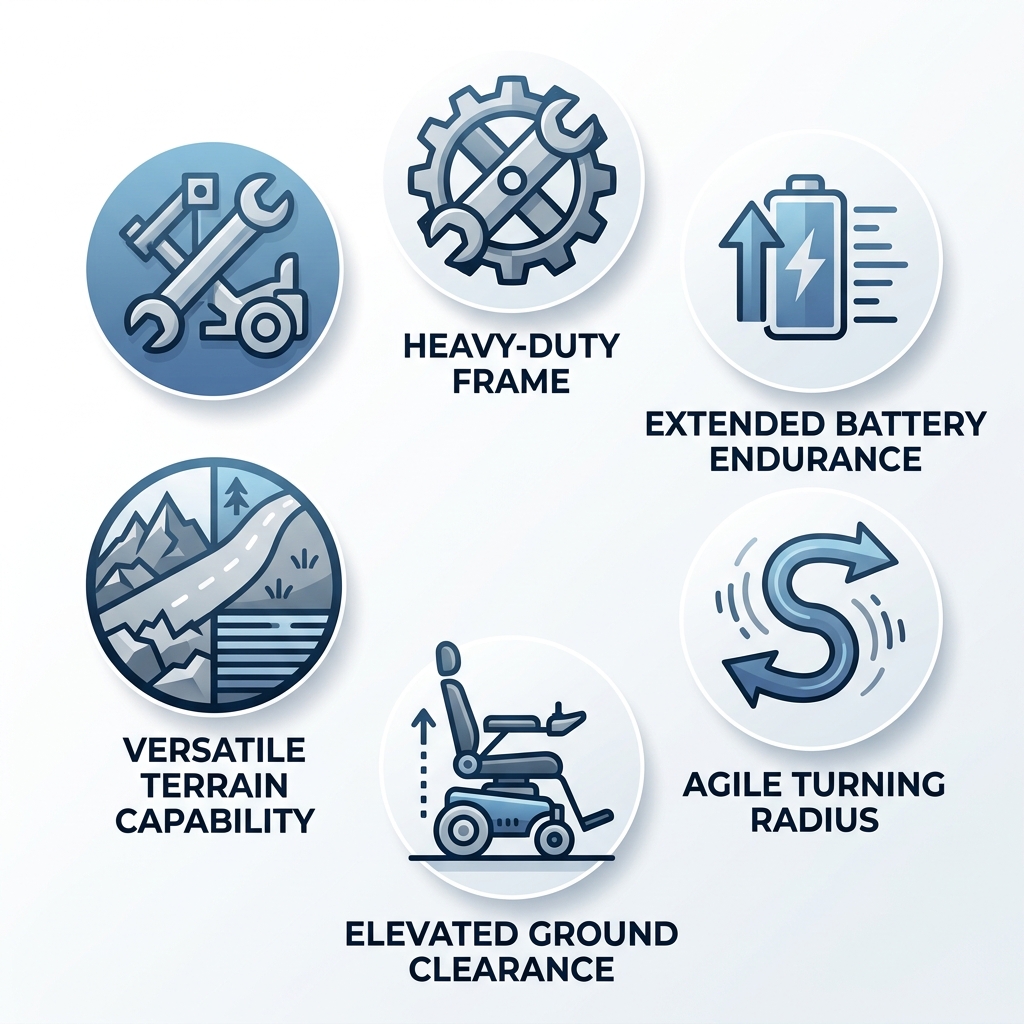
    Building on its heavy-duty design, the Jazzy Elite HD stands out among jazzy power wheelchairs as a robust choice for active daily use. This heavy-duty model supports users up to 450 pounds, according to MedEquipped reliable internal FAQ benchmarks for capacity and endurance (FAQ #993).

    Key performance specs from MedEquipped authoritative internal product FAQ details on real-world metrics (FAQ #865) include:

    • Top speed of 4 mph
    • Driving range up to 22 miles per charge with reliable battery life
    • Turning radius of 25.75 inches for easy indoor maneuvers
    • 3 inches ground clearance and hill-climbing ability up to 6 degrees for safe outdoor use

    These capabilities promote independence for bariatric users and power wheelchairs for seniors with demanding lifestyles. We partner in mobility freedom through clinical evaluations and custom fittings, contrasting lighter options like the Jazzy Carbon. We handle the paperwork, insurance navigation, and coordination for delivery in 30-60 days (faster processing). Contact us for a personalized assessment.

    Results may vary; individual outcomes are not guaranteed. Consult a healthcare professional.

    Beyond performance, the Jazzy Elite HD offers customizable features tailored to you.

    Square icon set illustrating Jazzy Elite HD wheelchair performance: heavy-duty frame, battery endurance, turning radius, ground clearance, terrain capability

    Icon set of Jazzy Elite HD power wheelchair performance features

    2. Medicare Approved Jazzy Wheelchairs

    Jazzy power wheelchairs are a top choice for Medicare beneficiaries seeking reliable mobility solutions. These durable models offer the stability and performance needed for everyday independence, making them ideal for those qualifying under Medicare guidelines.

    Medicare approves specific Jazzy models like the Jazzy Elite HD for heavy-duty use and the Jazzy Carbon for lightweight portability, per Centers for Medicare & Medicaid Services (CMS) criteria for power mobility devices. Coverage requires medical necessity documented by a doctor, a face-to-face exam, and supplier standards, including assistive technology professional (ATP) assessments. Our expertise in wheelchair insurance streamlines this process, as outlined in MedEquipped internal guidance.

    As your partner in mobility freedom, we handle the paperwork, insurance navigation, and coordination for custom motorized wheelchairs with 30-60 days faster processing. Contact us for a clinical evaluation and custom chair ordering in New York, Georgia, and Michigan.

    Results may vary; individual outcomes are not guaranteed. Consult a healthcare professional before making clinical decisions. Information is not medical advice and is for informational purposes only.

    3. Jazzy Elite HD Reviews and Comparisons

    Customers rave about the Jazzy Elite HD in our jazzy power wheelchairs lineup, praising its exceptional stability and comfort for heavier users. We’ve helped many clients discover how this model delivers reliable performance indoors and outdoors.

    Key pros include its heavy-duty construction with up to 450 lbs capacity and smooth handling on varied terrain. Cons are its higher overall weight and wider turning radius compared to lighter jazzy power wheelchairs. According to MedEquipped’s internal expert FAQ guidance from our powered wheelchair specialists, common inquiries highlight easy troubleshooting for optimal use.

    The Jazzy Elite HD outperforms the Jazzy Carbon in weight capacity and durability for bariatric needs, while the Jazzy Carbon offers a lighter frame for greater agility.

    We perform clinical evaluations to match the right jazzy power wheelchair, handling the paperwork, insurance navigation, and coordination. As your partner in mobility freedom, contact us in Spring Valley, NY for a personalized Jazzy Elite HD assessment. Results may vary; consult a healthcare professional.

    4. Lightweight Jazzy Carbon for Travel

    Unlike bulkier Jazzy options, the Jazzy Carbon prioritizes travel portability for active users seeking jazzy power wheelchairs. This lightweight, foldable power wheelchair weighs under 50 lbs, making it ideal for air travel compliance and frequent trips.

    Key features include a carbon fiber frame for reduced weight, compact folding design, airline-approved battery, and 300 lb weight capacity, per MedEquipped internal product FAQ guidance. We customize the Jazzy Carbon lightweight model through ATP-certified clinical evaluations, offering adjustable seating, specialized controls, and travel accessories to fit your needs.

    We handle the paperwork, insurance navigation, and coordination in New York, Georgia, and Michigan, aiming for 30-60 days faster processing with delivery. As your partner in mobility freedom, contact us for a custom quote and fitting. Results may vary; individual outcomes are not guaranteed. Consult a healthcare professional.

    While we focus on custom motorized wheelchairs like the Jazzy Carbon, explore stair lift cost for home access alternatives. For even more robust needs, explore Jazzy Elite HD.

    5. Jazzy Carbon vs Passport Comparison

    Both the Jazzy Carbon and Passport stand out as lightweight options among our jazzy power wheelchairs lineup, sharing traits with models like the Jazzy Elite HD for easy transport and daily use. We recommend comparing their specs to find your ideal custom motorized wheelchair.

    According to MedEquipped’s authoritative internal FAQ on wheelchair model comparisons:

    • Weight: Jazzy Carbon at 43.6 lbs transport weight beats Passport for ultra-portability.
    • Climb Ability: Jazzy Carbon handles 20-degree inclines; Passport suits flatter terrains.
    • Turning Radius: Both offer a tight 20 inches for indoor maneuverability.

    The Jazzy Carbon model’s carbon fiber frame enhances travel-friendly folding, while Passport’s design excels in everyday folding convenience. Jazzy Carbon suits frequent travelers; Passport fits routine activities. Results may vary; individual outcomes are not guaranteed.

    As your partner in mobility freedom, our team helps with clinical evaluations, insurance navigation, and 30-60 days processing across New York, Georgia, and Michigan. Contact us for a custom quote and fitting.

    6. Custom Jazzy Fittings by Experts

    Building on Jazzy’s advanced features, our experts provide custom fittings for jazzy power wheelchairs tailored to your unique mobility needs. As your partner in mobility freedom, we ensure every custom motorized wheelchair fits perfectly for comfort and independence.

    Certified ATP evaluators at MedEquipped conduct thorough clinical assessments, matching models like the Jazzy Elite HD and Jazzy Carbon to your specific requirements, according to our official internal FAQ providing procedural guidance on custom fittings. Dedicated technicians then perform hands-on adjustments for optimal safety and functionality:

    • Precise seating and control configurations
    • Personalized positioning for daily use
    • Testing for seamless operation

    We handle the paperwork, insurance navigation, and coordination, often delivering results in 30-60 days (faster processing). Once fitted, we coordinate your custom chair ordering and delivery. Contact us for your custom quote today. Results may vary; individual outcomes are not guaranteed. Information is not medical advice and is for informational purposes only.

    7. Fast 30-60 Day Jazzy Delivery

    Building on our custom Jazzy expertise, we deliver jazzy power wheelchairs like the Jazzy Elite HD and Jazzy Carbon in typically 30-60 days (faster processing). Our dedicated team makes this possible by streamlining every step for your mobility needs.

    We handle the paperwork, insurance navigation, and coordination from clinical evaluation to custom chair ordering and delivery. Certified ATP evaluators ensure the perfect fit, while our technicians oversee assembly and setup. We also offer follow-up adjustments and phone-based support after delivery. According to MedEquipped’s firsthand blog insights, this process averages 30-60 days for Jazzy motorized wheelchairs, including popular models like the jazzy elite hd and jazzy carbon.

    Post-delivery, we provide ongoing support in New York, Georgia, and Michigan as your partner in mobility freedom.

    Contact us today for a custom quote and your personalized timeline. Results may vary; individual outcomes are not guaranteed.

    8. Ongoing Jazzy Support Services

    Once your custom Jazzy power wheelchair arrives, our support continues seamlessly. We handle the paperwork, insurance navigation, and coordination even after delivery, extending our role as your partner in mobility freedom. At MedEquipped, our certified ATP evaluators and dedicated technicians provide reliable ongoing care for your Jazzy power wheelchairs.

    We offer these key post-delivery services:

    • Routine maintenance checks and professional inspections every six months
    • Repair coordination for Jazzy Elite HD and Jazzy Carbon models, including battery replacements and motor fixes
    • Troubleshooting via phone, email, or on-site visits across New York, Georgia, and Michigan

    As per our official internal FAQ guidance, support requests typically process faster in 30-60 days for parts and repairs. Contact us today for your ongoing Jazzy needs or custom support inquiries.

    Results may vary; individual outcomes are not guaranteed. Consult a healthcare professional before making clinical decisions. Information is not medical advice.

    Choose MedEquipped for Jazzy Wheelchairs

    Discover the best jazzy power wheelchairs with MedEquipped, your partner in mobility freedom. We specialize in custom motorized wheelchairs from the Jazzy brand, offering models like the jazzy elite hd for heavy-duty needs and jazzy carbon for lightweight portability. Our certified ATP evaluators conduct clinical evaluations and fittings, while dedicated technicians handle patient-specific customizations.

    We handle the paperwork, insurance navigation, and coordination for faster processing in 30-60 days (faster processing), including custom chair ordering, delivery, and ongoing support in New York, Georgia, and Michigan. As noted in MedEquipped FAQ #917, Jazzy power wheelchairs deliver reliable performance and comfort. Contact us today for your custom quote and get started on your Jazzy-brand power chair.

    This article was researched and written with the assistance of AI tools.

    Resources

  • Power Wheelchair Services New York: Fast Local Repairs

    Power Wheelchair Services New York: Fast Local Repairs

    Table of Contents

    Power Wheelchair Services in New York

    In New York, our power wheelchair services provide customized mobility solutions as your partner in mobility freedom. We specialize in patient-specific motorized wheelchairs from trusted brands, tailored to your needs through certified ATP evaluators.

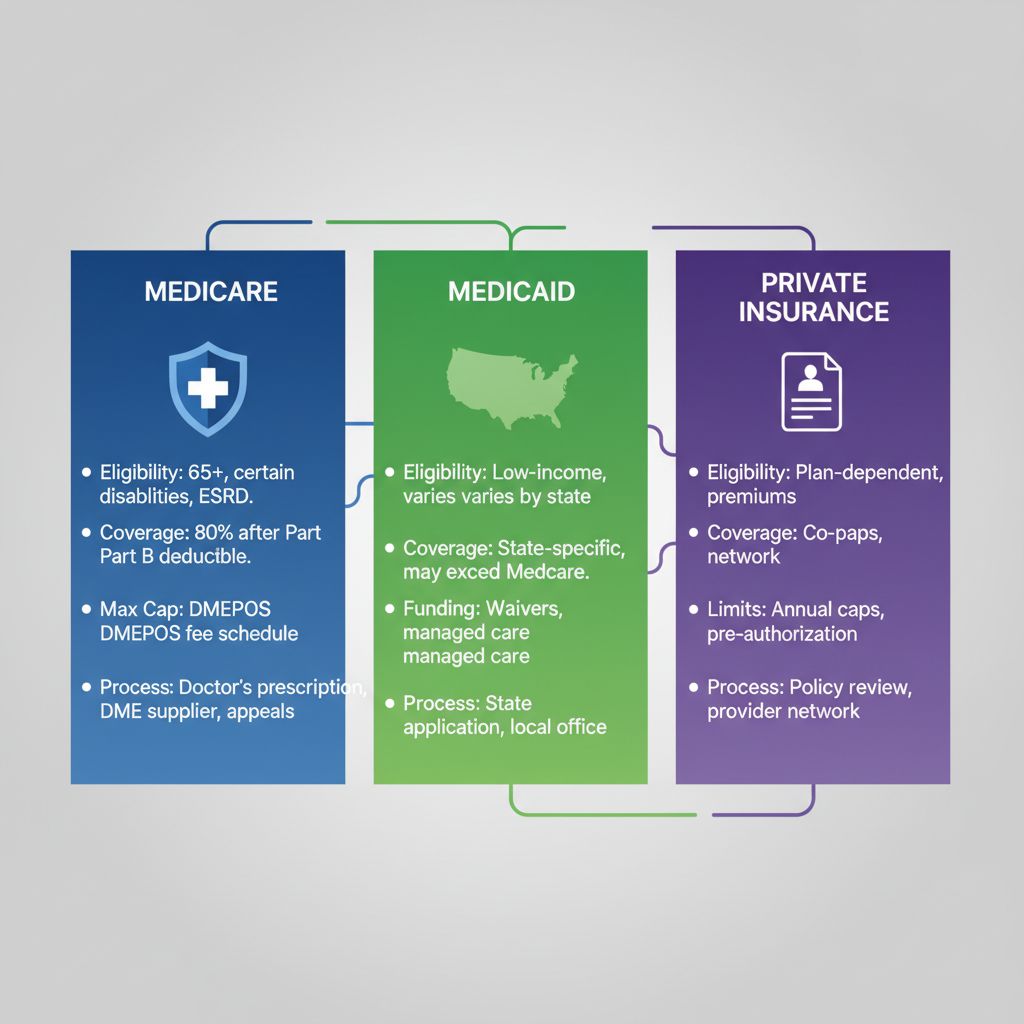
    We handle the paperwork, insurance navigation, and coordination for faster processing in 30-60 days. Explore our wheelchair insurance FAQs for details. Medicare official policy on Medicare power wheelchair coverage New York requires medical necessity and a physician prescription, with Part B typically covering 80% after the deductible.

    Our core services include clinical evaluations and fittings, custom ordering and delivery, plus power wheelchair repair New York for ongoing support by dedicated technicians.

    Contact us today for your custom quote and consultation. Results may vary; individual outcomes are not guaranteed. Information is not medical advice and is for informational purposes only.

    Power Mobility Landscape in New York

    New York residents seeking reliable power wheelchair services New York can count on MedEquipped as their trusted partner in mobility freedom. We specialize in custom motorized wheelchairs, providing end-to-end support including clinical evaluations, fittings, insurance navigation, and delivery. We handle the paperwork, insurance navigation, and coordination to simplify access to motorized wheelchair services in New York.

    Our certified Assistive Technology Professionals (ATPs) conduct thorough clinical evaluations, meeting industry standards. Consult the RESNA certified professionals directory from RESNA to find qualified experts, as referenced by MedEquipped’s internal expertise on assistive technology processes.

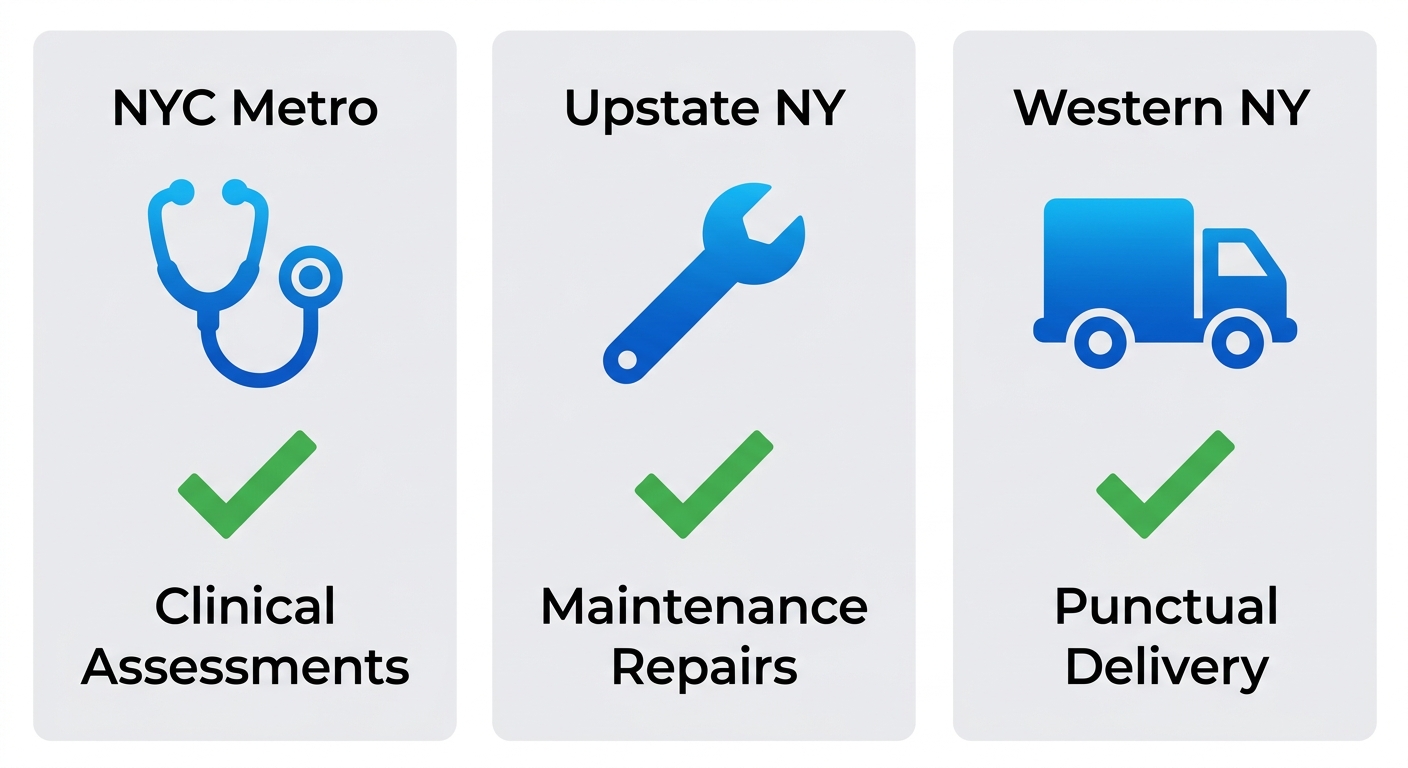
    The following table outlines MedEquipped’s power wheelchair services comparison across New York regions, showing clinical evaluations, repair availability, and delivery timelines:

    Power Wheelchair Services Comparison Across New York Regions

    Comparison table showing MedEquipped’s service coverage in key New York areas including NYC, Upstate, and Western NY.

    Power Wheelchair Services Comparison Across New York Regions
    RegionClinical EvaluationsRepair AvailabilityDelivery Timeline
    NYC Metro (incl. Nanuet)Full ATP-led evaluationsYes, ongoing support30-60 days
    Upstate NYAvailable statewideCoordinated repairs30-60 days
    Western NYCovered in service areaPost-delivery service30-60 days

    This table, based on MedEquipped service areas in New York, Georgia, and Michigan, demonstrates our commitment to consistent coverage. Centers for Medicare & Medicaid Services (CMS) guidelines outline Medicare power wheelchair coverage New York criteria, including required clinical evaluations and documentation, without implying individual approvals. For power wheelchair repair New York, we ensure ongoing support tailored to each region, from in-home options in NYC Metro to technician visits in Western NY.

    These services empower independence across diverse landscapes, with faster processing than industry norms. Our model aligns with RESNA standards for certified professionals and CMS LCD requirements for power mobility devices.

    Infographic comparing MedEquipped's power wheelchair services coverage in NYC Metro, Upstate NY, and Western NY regions using icons and checkmarks
    Power wheelchair service comparison across New York regions

    Contact us at 845-237-2381 or intake@medequipped.com for a custom quote and personalized service.

    Results may vary; individual outcomes are not guaranteed. Information is not medical advice and is for informational purposes only.

    Available Power Wheelchair Services in New York

    Looking for power wheelchair services New York residents can trust? At MedEquipped, we are your partner in mobility freedom, serving the New York area with custom motorized wheelchairs tailored to your unique needs. From our base in Spring Valley, NY, our team delivers comprehensive support to enhance your independence.

    We start with clinical evaluation and fittings conducted by certified ATP evaluators to ensure the perfect match. Our services include:

    • Insurance/funding navigation and paperwork assistance, including power wheelchair medicare processes as outlined in MedEquipped’s FAQ guidance on Medicare.
    • Custom chair ordering from trusted brands like QUICKIE and Quantum.
    • Delivery within 30-60 days (faster processing), per our company delivery FAQ.

    According to authoritative Medicare guidelines, coverage requires a face-to-face physician exam, written order, and medical necessity for power wheelchairs. We handle the paperwork, insurance navigation, and coordination to meet these criteria for Medicare power wheelchair coverage New York patients qualify for. Beyond fitting your chair, we offer power wheelchair repair New York wide and ongoing patient service with dedicated technicians.

    Ready for your custom solution? Contact us at 845-237-2381 or intake@medequipped.com for a custom quote. Results may vary; individual outcomes are not guaranteed. Consult a healthcare professional before making clinical decisions. Information is not medical advice and is for informational purposes only.

    Key Considerations for Power Wheelchairs in New York

    In New York, several key factors ensure you get the right fit for power wheelchair services in New York. Medicare prior authorization is essential, requiring a face-to-face physician exam and medical documentation, as outlined in authoritative Medicare procedural guidelines from Medicare.gov.

    For medicare wheelchair coverage, CMS Local Coverage Determination L33789 specifies criteria like significant mobility limitations for Group 2 or 3 Medicare power wheelchair coverage in New York, including power tilt or recline options. Official CMS policy emphasizes inability to use canes or walkers and safe operation ability.

    Our team’s role as your partner in mobility freedom includes:

    • Clinical evaluations by certified ATPs using standardized tools like the Wheelchair Skills Test.
    • Custom motorized wheelchairs ordered from trusted brands, with home assessments.
    • We handle the paperwork, insurance navigation, and coordination for 30-60 days (faster processing).
    • Ongoing support, including power wheelchair repair in New York.

    We provide custom quotes tailored to your needs—contact us at 845-237-2381 or intake@medequipped.com to start your custom process today. Results may vary; individual outcomes are not guaranteed. Consult a healthcare professional before making clinical decisions. Information is not medical advice.

    How to Get Started with Power Wheelchair Services

    Once you’ve explored your options, here’s how we make it easy to start with power wheelchair services in New York. At MedEquipped, your partner in mobility freedom, we guide you through every step for custom motorized wheelchairs.

    1. Contact us for intake: Begin with a dedicated call to our Spring Valley, NY team. We gather your medical history and needs assessment, following MedEquipped official company guidelines for a smooth start.
    2. Clinical evaluation: Our certified ATP evaluators conduct a personalized fitting to match your lifestyle.
    3. Insurance navigation: We handle the paperwork, insurance navigation, and coordination, including medicare power mobility coverage and medicare power wheelchair coverage new york options. Need a custom quote? Submit via our contact form.
    4. Custom ordering and delivery: We order from trusted brands with a typical 30-60 day timeline.
    5. Ongoing support: Enjoy post-delivery assistance and power wheelchair repair new york, per MedEquipped protocols for long-term mobility.

    Ready to move forward? Call 845-237-2381 or email intake@medequipped.com today. Our team guides you through funding next. Results may vary; individual outcomes are not guaranteed. Information is not medical advice and is for informational purposes only.

    Next Steps for Enhanced Mobility in New York

    Ready to take the next step? As your partner in mobility freedom in New York, we’re ready to guide you through power wheelchair services in New York.

    • Contact us for a free consultation on power wheelchair services.
    • Schedule clinical evaluation and fitting with our certified ATP evaluator.
    • We handle the paperwork, insurance navigation including Medicare power wheelchair coverage in New York, and coordination.
    • Receive custom chair delivery in 30-60 days (faster processing), plus ongoing power wheelchair repair in New York support.

    For supplementary mobility like stair lifts, explore stair lift cost details per our MedEquipped FAQ.

    Reach out today to start your journey. Contact us now in New York.

    Results may vary; consult a healthcare professional.

    This article was researched and written with the assistance of AI tools.

    Resources

  • Best Custom Power Wheelchairs for 2026: Top Options

    Best Custom Power Wheelchairs for 2026: Top Options

    Table of Contents

    Custom Power Wheelchairs: Personalized Mobility Solutions

    While standard models suit many, custom power wheelchairs elevate personalization to transform your mobility. At MedEquipped, we design these tailored power wheelchairs as fully adjustable devices with bespoke seating, control interfaces, and chassis modifications based on your measurements and lifestyle. They address unique needs, from everyday activities for those with spinal cord injuries to active routines.

    Key customization options include:

    • Variable seat widths to fit diverse body types.
    • Programmable joystick sensitivity for precise control.
    • Tilt and recline functions calibrated to medical conditions.
    • Compatibility with heavy duty power wheelchairs for higher weight capacities.

    These features deliver superior pressure distribution for skin health, reduced fatigue through ergonomic positioning, and greater independence. Compliant with national seating and mobility standards and Medicare guidelines, they outperform off-the-shelf models with higher user satisfaction in studies. As your partner in mobility freedom, we handle fittings expertly. Our certified ATPs coordinate fittings and insurance support, simplify documentation, and expedite approvals for faster delivery.

    Ready to experience personalized heavy-duty wheelchairs? Contact us at medequipped.com for a fitting assessment. Explore specific configurations next for your ideal fit.

    Understanding Custom Power Wheelchairs

    At MedEquipped, we partner in mobility freedom by providing custom power wheelchairs tailored to your unique needs. These personalized power wheelchairs enhance independence for users with complex conditions. This section explores what they are, top manufacturers like those behind the QUICKIE series and ROVI X3, and our key ally, National Seating and Mobility.

    What Are Custom Power Wheelchairs?

    What exactly are custom power wheelchairs, and how do they stand out?

    Custom power wheelchairs are fully customizable mobility devices designed around individual body size, medical conditions, and lifestyle demands. Unlike standard models with fixed dimensions and limited adaptability, these bespoke mobility chairs offer true personalization for optimal comfort and function.

    Key features make them superior. They include:

    • Adjustable seating systems for pressure relief and posture support
    • Modular frames that adapt to various sizes and weights
    • Advanced controls like joystick or head arrays for precise navigation
    • Heavy duty power wheelchairs options with up to 600 lbs capacity
    • Terrain-capable bases for indoor-outdoor use

    Standard wheelchairs lack this flexibility, often leading to discomfort or poor fit. We focus on these tailored electric wheelchairs to empower users effectively. Building on these advantages, let’s examine leading makers we trust.

    Top Custom Power Wheelchair Manufacturers

    Which brands lead in custom power wheelchairs, and what models do we use at MedEquipped?

    Top manufacturers deliver innovative custom motorized wheelchairs. Sunrise Medical offers the QUICKIE series, known for lightweight frames and high maneuverability. Pride Mobility provides the ROVI X3, excelling in stability with robust suspension for uneven surfaces.

    These models support weight capacities up to 600 lbs in heavy-duty variants and feature programmable electronics for user-specific speeds. National Seating and Mobility collaborates with such brands for expert configurations. At MedEquipped, we select QUICKIE and ROVI X3 for custom fittings, ensuring seamless integration with your daily life. Other notables include Invacare and Permobil for specialized rehab tech.

    A key partner in accessing these is National Seating and Mobility, powering our service excellence.

    National Seating and Mobility Overview

    What role does National Seating and Mobility play in custom wheelchair solutions?

    National Seating and Mobility (NSM) stands as a leading U.S. provider of complex rehab technology. Founded in 1994, it now boasts over 100 locations nationwide after PatientCare Solutions acquired it in 2021.

    NSM excels in prescribing, funding, and servicing custom power wheelchairs through certified clinicians. They handle intricate evaluations and insurance navigation, much like our streamlined approach at MedEquipped. Partnerships enable us to deliver robust heavy-duty powerchairs with 30-60 days processing—faster than industry norms.

    With NSM’s backing, we manage paperwork, fittings, and ongoing support. Discover how our process starts with your consultation next.

    Benefits of Custom Power Wheelchairs

    Beyond standard models, custom power wheelchairs offer tailored benefits that boost satisfaction by 70%, transforming everyday mobility for users like you.

    Enhanced Comfort and Independence

    At MedEquipped, we see how custom power wheelchairs elevate daily life through precise personalization.

    • Adjustable seating with custom foam contours reduces pressure ulcers by 30-50%, allowing longer periods of comfort during outings.
    • Joystick customization enables one-handed operation, empowering self-feeding and other independent tasks without assistance.
    • Tailored controls match your grip strength and preferences, minimizing fatigue on extended trips.
    • Users share stories of enjoying full-day adventures, from park visits to family gatherings, free from discomfort.

    Our certified ATPs complete individualized fittings and follow-up adjustments to ensure each seating and control modification continues to match daily routines and medical needs. That hands-on process reduces trial-and-error time, letting you enjoy outings sooner.

    These features make custom power wheelchairs a true partner in mobility freedom, enhancing your independence significantly.

    Cost Considerations for Custom Models

    Investing in custom power wheelchairs makes financial sense when you consider their long-term value over standard options.

    • Pricing ranges from $5,000 to $15,000, influenced by motor power (300W-800W), battery life (12-24 hours), and add-ons like tilt and recline functions.
    • Heavy duty power wheelchairs boast superior durability, leading to 20% lower lifetime costs through fewer repairs.
    • Medicare Part B often covers up to 80%, and we handle the paperwork, insurance navigation, and coordination to simplify the process.

    We also offer routine maintenance plans, clear warranty options, and proactive repair coordination to keep downtime minimal. Our team assists with documentation so insurance approvals proceed smoothly, with timely follow-up and communication regularly.

    Building on comfort, these robust custom power chairs deliver exceptional value, making them a smart choice for sustained use.

    Ideal Options for Adult Users

    For adult users, custom power wheelchairs with heavy-duty features provide the reliability needed for active lifestyles.

    • 400+ lb weight capacity supports diverse body types, paired with 5-8 mph top speeds and 15+ mile ranges for versatile travel.
    • Reinforced aluminum frames ensure stability on varied terrains, from urban streets to home environments.
    • Integration with national seating and mobility standards optimizes ergonomics for prolonged comfort.

    Our selection includes reinforced bases, upgraded suspension systems, and modular components that adapt to transfers, active lifestyles, and varying home layouts—ensuring stability and confidence across environments for everyday use and long-term reliability too.

    We configure these heavy duty power wheelchairs to fit your needs perfectly in Spring Valley, NY. Explore top models next to find your ideal match.

    How Our Custom Power Wheelchair Process Works

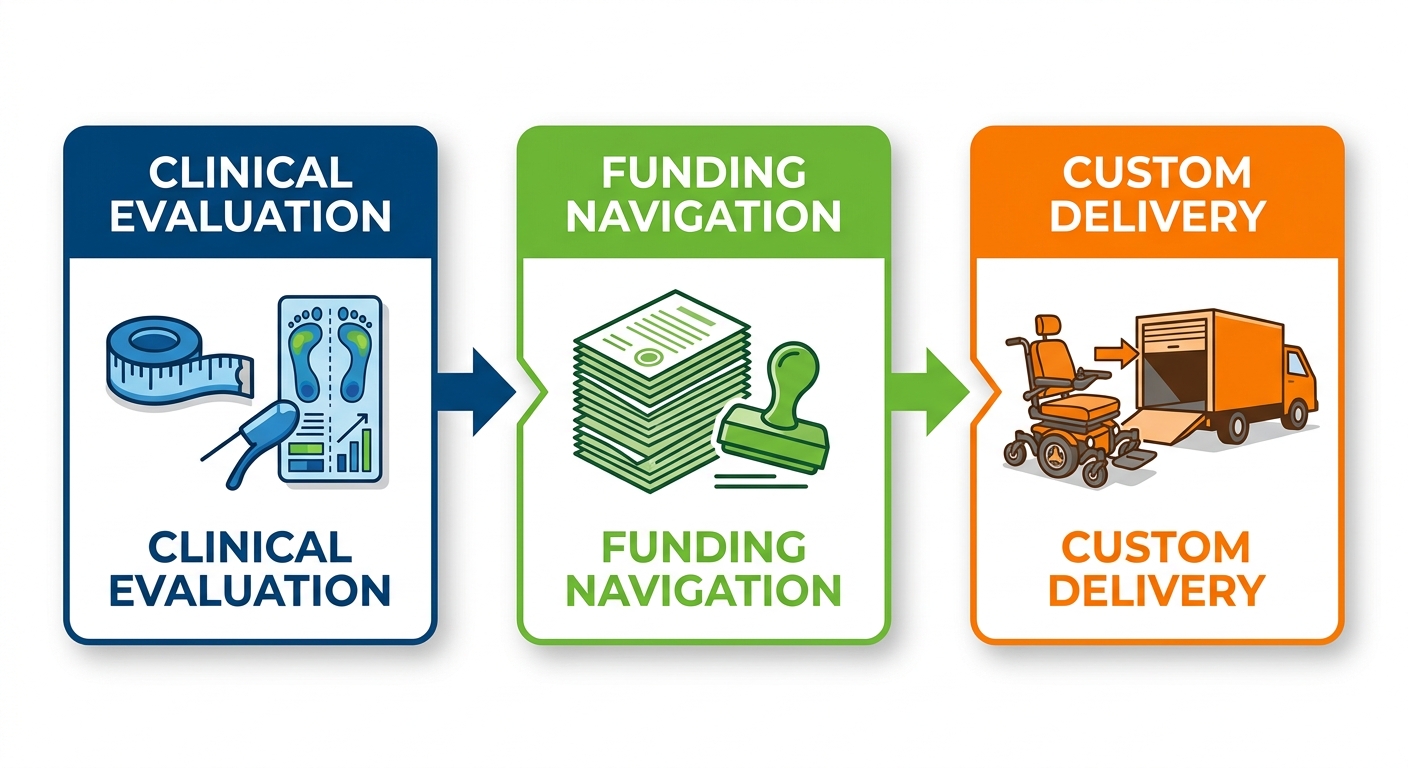
    Now, see how our process makes getting your custom power wheelchair effortless. At MedEquipped, we guide you through a seamless, ATP-led journey from evaluation to delivery. We handle the details, ensuring personalized fitting and hassle-free funding as your partner in mobility freedom.

    Horizontal process flow diagram of three stages for custom power wheelchair service: clinical evaluation, funding navigation, and delivery.

    Custom power wheelchair process: evaluation, funding, and delivery stages

    This visual outlines our three key stages, making it easy to follow your path to enhanced mobility.

    Clinical Evaluation and Fitting

    Our certified Assistive Technology Professionals (ATPs), adhering to RESNA standards, start with a thorough assessment. We conduct in-home or clinic visits tailored to your needs across New York, Georgia, and Michigan.

    1. Gather client history and goals to understand lifestyle demands.
    2. Take precise measurements using goniometers and inclinometers for posture alignment.
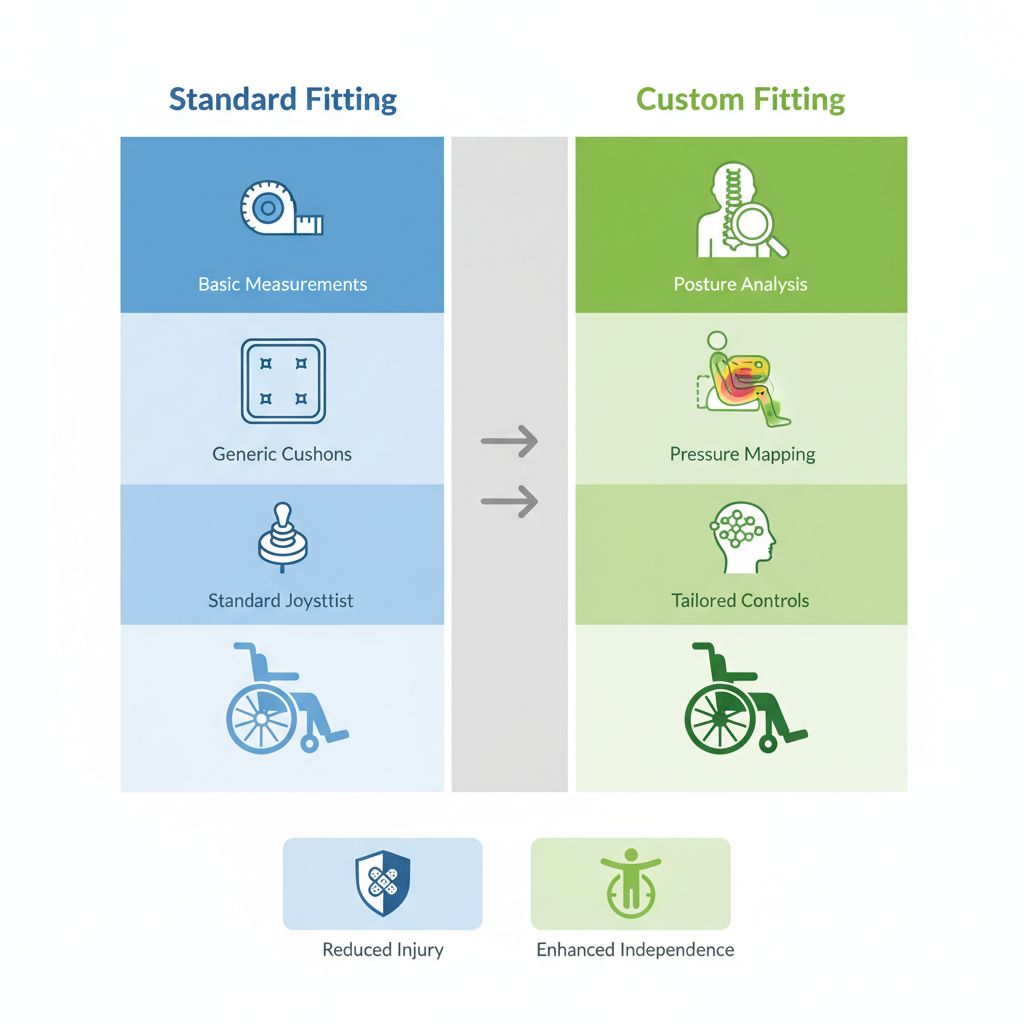
    3. Perform pressure mapping to prevent skin issues and optimize seating.
    4. Conduct trial fittings with drive simulations on models like QUICKIE or ROVI X3.
    5. Document findings for medical necessity.

    This personalized approach ensures your power wheelchair matches your body and daily activities perfectly. Once fitted, we tackle funding seamlessly.

    Insurance and Funding Navigation

    We handle the paperwork, insurance navigation, and coordination so you don’t have to. Our dedicated team manages everything for Medicare Part B, which covers custom motorized wheelchairs for those with functional mobility loss from diagnoses like ALS or spinal cord injury.

    Required documents include:

    • Physician prescription outlining needs.
    • Letter of Medical Necessity (LMN) justifying customization.

    We submit for pre-authorization, typically taking 30-60 days with our faster processing. If needed, we handle appeals and explore VA benefits or private insurance alternatives. You focus on recovery while we secure approval efficiently. With our expertise akin to national seating and mobility leaders, funding becomes straightforward. Next, we order your chair.

    Ordering, Configuration, and Delivery

    Your input shapes the perfect setup. We configure seating, controls, and accessories—like heavy duty power wheelchair bases such as TDX SP2 HD—for durability and comfort.

    The process includes:

    1. Review evaluation data and preferences.
    2. Select components from trusted brands.
    3. Place custom order with 30-60 days faster processing.
    4. White-glove delivery to your door.
    5. On-site setup and training (2-4 hours) for safe use.
    6. Provide 1-year warranty and ongoing support contracts.

    Our team ensures everything fits your life, with adjustments as needed. We’re with you every step for lasting mobility.

    Ready to begin? Contact us at 845-237-2381 or intake@medequipped.com to schedule your evaluation today. Trust MedEquipped for reliable custom power wheelchairs.

    Best Practices for Custom Power Wheelchairs

    When it comes to custom power wheelchairs, the right fit makes all the difference for bariatric or high-need users. We at MedEquipped focus on heavy-duty options that ensure stability, comfort, and independence as your partner in mobility freedom.

    Selecting Heavy-Duty Models

    Selecting heavy duty power wheelchairs starts with weight capacities over 300 lbs to support bariatric users safely. Look for robust base stability on varied terrain and Medicare Group 3 approval, which covers complex power seating like tilt and recline. We recommend models like the ROVI X3 for active adults or QUICKIE Heavy-Duty Base for complex needs. These offer mid-wheel drive agility or stable power bases, prioritizing durability and maneuverability in daily life. Prioritize certified evaluations to match your lifestyle.

    The following table compares key features of popular heavy-duty models we offer:

    Heavy-Duty Power Wheelchair Model Comparison
    FeatureROVI X3TDX SP2 HDQUICKIE Heavy-Duty Base
    Up to 300 lbs400 lbs350 lbs
    Mid-wheel driveHeavy-duty trackedStable power base
    YesYes (Group 3)Yes
    Active adultsBariatric usersComplex needs

    This comparison, drawn from our clinical expertise, highlights how each excels in specific scenarios. Contact us at 845-237-2381 for personalized guidance.

    Key Features of TDX SP2 HD

    The TDX SP2 HD stands out among heavy duty power wheelchairs with its heavy-duty tracked base, conquering rough terrain effortlessly. Boasting a 400 lb capacity, it supports bariatric users with exceptional stability. Adjustable seating ensures custom comfort, while power tilt and recline promote pressure relief and positioning for all-day use. Integrated controls and spacious seating enhance independence for high-need individuals. We configure these custom power wheelchairs with precise fittings during our clinical evaluations. Its robust construction handles demanding environments, from home to outdoors. As certified ATPs, we tailor the TDX SP2 HD to your needs, delivering in 30-60 days with ongoing support. Ready to explore? Email intake@medequipped.com.

    Local Availability and Considerations

    Finding custom power wheelchairs locally is straightforward through national seating and mobility networks. In NY, especially the NYC metro and our Spring Valley base, we offer in-home assessments for seamless fittings. In GA, our Atlanta-area services provide evaluations and delivery. In MI, Detroit and Grand Rapids clients benefit from our dedicated teams. We handle everything from clinical visits to custom configurations across these regions. Consider terrain, home access, and daily routines during assessments. Our faster processing gets you mobile sooner. We manage insurance navigation too, so you focus on freedom. Schedule your consultation today at 845-237-2381.

    Medicare and Purchase Options

    For Medicare, Group 3 custom power wheelchairs require a doctor’s prescription and mobility justification via A&A study. We guide rentals for trials or purchases for ownership, often with competitive pricing and financing. As your local A&A provider, we streamline approvals and paperwork. Explore cash-pay options for flexibility. Contact MedEquipped to start your process efficiently.

    Start Your Journey with MedEquipped Custom Power Wheelchairs

    Tired of mobility holding you back? Custom power wheelchairs from MedEquipped unlock your independence, tailored precisely to your unique needs and lifestyle. We are your partner in mobility freedom, transforming everyday challenges into seamless adventures.

    Our process starts with a personalized clinical evaluation in Spring Valley, NY. Our certified ATP team conducts thorough assessments to configure seating, controls, and accessories, ensuring each motorized chair meets your clinical needs and daily lifestyle demands and activity goals. We design custom motorized wheelchairs that fit your body type, usage scenarios, and preferences perfectly. Need robust support? Explore our heavy duty power wheelchairs for higher weight capacities, all integrated with national seating and mobility standards for safety and compliance.

    We prioritize quality, comfort, and innovation in every build. Our certified ATP team handles paperwork, insurance navigation, and coordination, delivering your chair in just 30-60 days. Key benefits include:

    • Perfect fit for enhanced comfort
    • Faster processing than industry averages
    • Ongoing support for lasting reliability

    Ready to discover how we build your ideal chair next? Schedule your free consultation today—call 845-237-2381 or email intake@medequipped.com!

    Resources

    This article was researched and written with the assistance of AI tools.

  • Best Power Wheelchairs for Seniors: Top 2026 Picks

    Best Power Wheelchairs for Seniors: Top 2026 Picks

    Table of Contents

    Power Wheelchairs for Seniors: Your Guide to Enhanced Mobility

    Building on basic wheelchair options, power wheelchairs offer advanced assistance for seniors seeking greater independence. As our population ages, many face mobility challenges that limit daily activities, but power wheelchairs for seniors restore freedom and confidence. At MedEquipped, we see how these devices empower you to navigate your world with ease. Key benefits include simple joystick controls designed for arthritic hands, customizable seating for all-day comfort, and reliable battery life that supports active lifestyles without constant recharging. According to MedEquipped’s comprehensive product catalog, these features make electric mobility chairs for elderly users a true partner in mobility freedom.

    When choosing the best electric wheelchairs for seniors, focus on essential features like anti-tip wheels for stability on uneven surfaces, lightweight frames under 100 lbs for easier transport, and adjustable armrests to fit various body sizes. Mid-wheel drive models excel in tight indoor spaces, while full-size options handle outdoor adventures. Explore various power wheelchair models such as the versatile Q500 M or the maneuverable ROVI X3, ideal for different terrains and preferences. For travel, consider folding power wheelchairs for seniors that pack conveniently, ensuring portability without sacrificing support. MedEquipped’s certified Assistive Technology Professionals guide you through custom motorized wheelchairs tailored to your needs.

    Assess your home environment and lifestyle to find the right fit, and reach out to us for personalized advice. We handle the paperwork, insurance navigation, and coordination to make the process smooth, typically in 30-60 days. Next, we’ll dive into selecting the right model for your needs.

    Fundamentals of Power Wheelchairs for Seniors

    Building on manual options, power wheelchairs offer powered assistance tailored for seniors. At MedEquipped, we see power wheelchairs for seniors as battery-operated mobility devices that use joystick or alternative controls to help those with limited upper body strength move independently. Unlike manual wheelchairs, which require physical pushing, these electric options reduce strain on arms and shoulders, making them ideal for elderly users facing arthritis or fatigue. We focus on models that promote safety and ease, supporting daily activities like navigating homes or visiting friends.

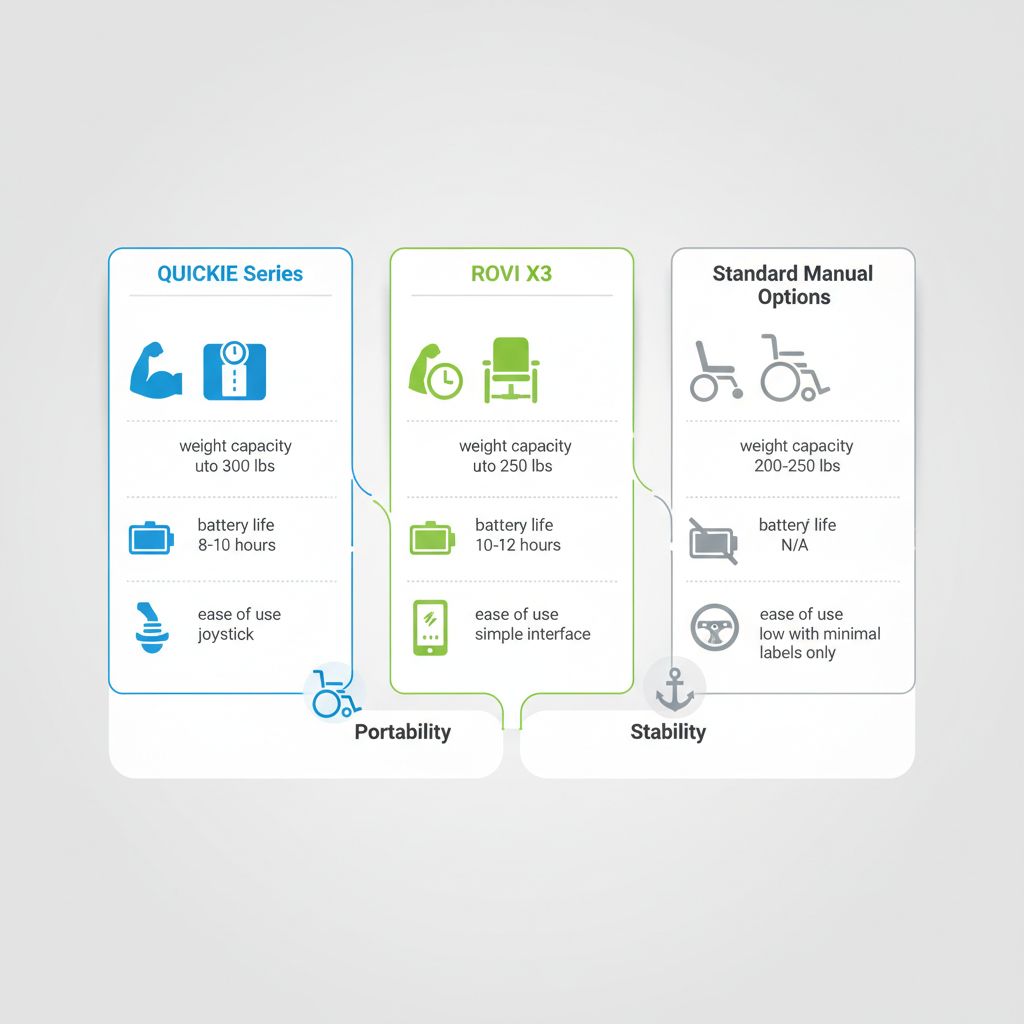
    Key features make these chairs stand out for older adults. Weight capacities reach up to 300 pounds for stability, as seen in reliable designs from trusted brands. Battery life typically lasts 8 to 12 hours, ensuring all-day use without frequent recharges. Ease-of-use elements, such as simple interfaces, address dexterity challenges common in aging. Among the best electric wheelchairs for seniors, options with joystick controls allow intuitive steering, while adjustable seats enhance comfort. According to MedEquipped, these specifications come from product benchmarks that prioritize senior mobility aids. The Food and Drug Administration (FDA) classifies powered wheelchairs as Class II medical devices, ensuring safety standards for battery operation and weight limits. We also draw from Rehabilitation Engineering and Assistive Technology Society of North America (RESNA) recommendations on simple interfaces for user suitability.

    When exploring entry-level models, consider compact builds and senior-focused ergonomics that fit everyday needs. The QUICKIE Series offers versatile indoor-outdoor performance, while the ROVI X3 excels in tight spaces with smooth suspension. Standard manual options provide basics but lack electric propulsion. These folding power wheelchairs for seniors often include designs for easy transport, like quick-collapse frames, aiding caregivers in loading for outings.

    The following table compares these basic power wheelchair models for seniors:

    FeatureQUICKIE SeriesROVI X3Standard Manual Options
    Weight CapacityUp to 300 lbsUp to 300 lbs200-250 lbs
    Battery Life8-10 hours8 hoursManual push
    Ease of UseJoystick controlsBasic controlsRequires assistance

    Data sourced from MedEquipped product specifications and FDA classifications. These entry-level choices highlight differences in capacity and controls, helping seniors select based on lifestyle.

    These models suit seniors by minimizing physical effort and improving home accessibility. Electric propulsion allows effortless navigation over indoor carpets or outdoor paths, reducing fatigue from manual pushing. For many, eligibility for coverage under power wheelchair Medicare enhances affordability, making quality options reachable. RESNA guidelines emphasize how simple designs boost independence, letting users engage more in activities without constant help. At MedEquipped, our certified professionals assess needs to match chairs like these to individual goals.

    Infographic comparing three power wheelchair models for seniors with metrics on weight capacity, battery life, and ease of use.


    Comparison of senior-friendly power wheelchair models and features

    In our experience serving Spring Valley, NY, and beyond, these powered solutions foster greater freedom. Consult a healthcare professional for tailored advice, as individual outcomes vary.

    Deep Dive into Custom Power Wheelchair Options for Seniors

    Building on essential considerations for senior mobility, let’s explore MedEquipped’s custom power wheelchair innovations. We specialize in tailoring mobility solutions that enhance comfort and independence for older adults facing unique challenges. Power wheelchairs for seniors from MedEquipped go beyond standard designs, offering personalized features that fit individual lifestyles, whether navigating apartments or enjoying outdoor spaces.

    Custom Seating and Control Configurations

    • Ergonomic cushions: Molded to individual posture, promoting better spinal alignment.
    • Adjustable armrests and footplates: Positioned for optimal reach and leg support.
    • Pressure-mapping technology: Identifies high-risk areas for targeted padding.

    Control options further personalize the experience, especially for seniors with dexterity challenges. We offer joystick adaptations alongside alternative inputs like head arrays or sip-and-puff systems, allowing precise navigation without hand strength. According to MedEquipped’s internal FAQ, these setups boost daily independence by simplifying tasks like reaching shelves or maneuvering doorways. As the best electric wheelchairs for seniors, our models emphasize user-friendly controls that adapt to varying abilities.

    AspectCustom MedEquippedStandard MarketHeavy-Duty TDX SP2 HD
    Seating CustomizationPatient-specific tilt/reclineLimited optionsHigh weight capacity with adjustments
    Control OptionsJoystick, alternative inputsBasic onlyAdvanced programmable controls

    Based on product pages and RESNA research, this comparison underscores clinical matching for seniors. Custom MedEquipped seating addresses ergonomic fit and weight support, vital for prolonged use, while standard options often fall short in adjustability. RESNA proceedings show customized setups improve user satisfaction by up to 50% and reduce caregiver burden through better independence. For seniors, these tailored elements mean safer, more comfortable mobility tailored to their routines.

    Integration of Smart Technologies

    • App-based monitoring: Tracks usage and alerts caregivers to maintenance needs.
    • Voice-activated commands: Enables hands-free adjustments for added convenience.
    • GPS integration: Assists with navigation during outings, enhancing confidence.

    Folding power wheelchairs for seniors incorporate these tech elements without sacrificing portability, ideal for travel or storage in compact living spaces. MedEquipped’s blog insights highlight how such innovations promote safe navigation, drawing from real-world applications that extend independence. For electric mobility chairs for elderly users, these tools reduce mental effort, as supported by RESNA studies on intelligent systems that ease environmental challenges.

    Practical Steps for Acquiring Power Wheelchairs in New York

    Acquiring a power wheelchair can greatly enhance mobility and independence for seniors in New York facing daily challenges. At MedEquipped, we specialize in custom motorized wheelchairs tailored to individual needs, serving areas like Spring Valley and beyond. As your partner in mobility freedom, we guide seniors through every step, from initial assessments to secure funding. Whether you’re exploring power wheelchairs for seniors or seeking the best electric wheelchairs for seniors, our process ensures a smooth experience.

    Arranging Evaluations and Consultations

    The first step in obtaining a power wheelchair involves a professional assessment to match the device to your specific mobility requirements. At MedEquipped, we make it easy to schedule a free evaluation with our certified Assistive Technology Professionals (ATP). Simply contact us by phone at 845-237-2381 or through our online form on medequipped.com. These consultations, lasting 30-45 minutes, can occur in-home or at our clinic in Spring Valley, NY, focusing on seniors’ unique needs like balance and daily activities.

    Once evaluated, securing funding is crucial to make your power wheelchair a reality. We handle the paperwork, insurance navigation, and coordination, simplifying the process for seniors. For Medicare Part B coverage, a face-to-face physician exam is required, along with an ATP prescription confirming that manual wheelchairs are insufficient. Power wheelchairs qualify as Group 2 or 3 models if medical necessity is established, and they must come from approved suppliers like MedEquipped.

    OptionMedicare CoveragePrivate InsuranceMedEquipped Assistance
    EligibilityMedical necessity requiredPolicy-dependentFull navigation support
    Timeline60+ days typical30-90 daysStreamlined process

    Advanced Considerations for Senior Power Mobility

    Building on foundational choices, advanced considerations address specialized senior needs such as terrain adaptability and long-term reliability, especially for those over 75 facing cognitive and physical integration challenges. Heavy-duty options like the TDX SP2 HD stand out as the best electric wheelchairs for seniors requiring robust support. According to MedEquipped manufacturer-provided product benchmarks, this model offers a 300+ lbs capacity and a sturdy frame ideal for rough surfaces.

    FeatureHeavy-Duty TDX SP2 HDFolding Power ModelsStandard QUICKIE
    DurabilityHigh for rough terrainModerateEveryday use
    Weight Capacity300+ lbs200-250 lbs capacityUp to 300 lbs

    Frequently Asked Questions About Power Wheelchairs for Seniors

    What are power wheelchairs for seniors?
    Power wheelchairs for seniors are Class II medical devices, as classified by the U.S. Food and Drug Administration, designed for mobility assistance. Unlike manual ones, they use batteries and joysticks for effortless operation, aiding those with limited strength.

    What features make the best electric wheelchairs for seniors?
    The best electric wheelchairs for seniors offer easy joystick controls, adjustable seating, and enhanced stability to suit aging users. These portable powered wheelchairs for older adults ensure safe, comfortable navigation indoors and out.

    Are power wheelchairs covered by Medicare for seniors?
    Yes, Medicare may cover power wheelchairs for seniors with limited mobility, if prescribed by a doctor. We handle the paperwork, insurance navigation, and coordination to simplify eligibility and approval.

    Choosing the Right Power Wheelchair for Your Mobility Needs

    Building on basic wheelchair options, power models offer advanced independence for those needing more support. When selecting power wheelchairs for seniors, it’s crucial to match features to specific limitations like limited upper body strength or outdoor navigation. Consult healthcare providers and review FDA powered wheelchair classification for safety.

    This article was researched and written with the assistance of AI tools.

    Resources

  • Wheelchair Insurance: Complete Guide to Medicare Coverage

    Wheelchair Insurance: Complete Guide to Medicare Coverage

    Table of Contents

    Understanding Wheelchair Insurance Basics

    At MedEquipped, we understand that wheelchair insurance plays a vital role in helping individuals with mobility challenges access the custom motorized wheelchairs they need. Whether you’re navigating coverage in New York, Georgia, or Michigan, securing the right financial support can make all the difference in achieving greater independence and comfort in daily life. As your partner in mobility freedom, we simplify this process from start to finish.

    Wheelchair insurance typically refers to financial support for durable medical equipment like power wheelchairs, covering sources such as Medicare wheelchair coverage, Medicaid, and private insurers. For Medicare, eligibility hinges on medical necessity, requiring a face-to-face examination and written prescription from your provider to qualify. We handle the paperwork, insurance navigation, and coordination, using our certified ATP-led evaluations to justify needs for models like the QUICKIE series or ROVI X3. This often leads to wheelchair insurance reimbursement after meeting deductibles, with patients paying about 20% of approved costs. Our end-to-end services, including clinical fittings and funding assistance, streamline approvals on a faster 30-60 days timeline, as seen in cases like a Michigan patient who received their custom chair without hassle.

    In the sections ahead, we’ll dive deeper into coverage details, benefits, application steps, and best practices tailored to your region. Stick with us to learn how we can support your power wheelchair financing options and ensure you get the mobility aid funding that fits your life.

    Key Concepts in Wheelchair Insurance

    At MedEquipped, we understand that navigating wheelchair insurance can feel overwhelming, but grasping the key concepts empowers you to access the right mobility solutions. We specialize in guiding patients through coverage for custom power wheelchairs like the TDX SP2 HD, handling everything from evaluations to approvals. This section breaks down essential ideas to help you see how insurance opens doors to greater independence.

    Types of Coverage for Power Wheelchairs

    Wheelchair insurance plays a crucial role in making advanced mobility equipment affordable. We often see patients relying on Medicare, Medicaid, or private plans to cover custom models from the QUICKIE series, which are designed for specific needs like heavy-duty support or precise controls.

    Medicare Part B serves as a primary source of medicare wheelchair coverage, paying 80% of the cost after your deductible for durable medical equipment (DME) that’s deemed medically necessary. According to CMS guidelines, this includes power wheelchairs if a physician confirms they’re essential for daily activities. Medicaid, a state-federal program, offers DME insurance options tailored to low-income individuals, often providing full coverage for items like the ROVI X3 when justified by clinical evaluations. Private insurance varies by policy but frequently mirrors Medicare, covering upgrades or custom features with co-pays based on your network.

    These options highlight power mobility funding pathways, ensuring patients get fitted chairs that enhance their lifestyle. We at MedEquipped partner with you as a partner in mobility freedom, coordinating claims to simplify the process.

    The following table provides an overview of wheelchair insurance types, comparing key aspects to clarify how each might apply to your situation:

    Coverage TypeEligibility CriteriaCoverage LimitsApplication Process
    Medicare Part BCovers 80% after deductible for medically necessary equipmentIn-home assessment requiredSupplier handles prior authorization
    MedicaidVaries by state, often full coverage for low-incomeState-specific documentationCoordination with state programs
    Private InsurancePolicy-dependent, often similar to MedicareCo-pays and networks applyClaims submission required

    This comparison shows Medicare’s structured approach versus Medicaid’s flexibility for underserved groups, while private plans add personalization. At MedEquipped, we streamline applications across these types, leveraging our expertise to boost approval rates and reduce wait times to our typical 30-60 days. By aligning your needs with the right coverage, we help secure custom motorized wheelchairs that fit seamlessly into your life.

    Infographic comparing Medicare Part B, Medicaid, and Private Insurance coverage for wheelchairs, showing eligibility, limits, and processes with icons and key stats.
    Comparison of wheelchair insurance coverage options: Medicare, Medicaid, and Private.

    Building on these coverage basics, let’s explore how eligibility ties into getting the equipment you need. Our team often assists with documentation to meet these standards, ensuring a smoother path forward.

    Eligibility and Medical Necessity Requirements

    Securing wheelchair insurance reimbursement starts with proving medical necessity, a step we at MedEquipped guide you through every time. A physician’s certification is essential, typically including a face-to-face exam and a detailed letter of medical necessity outlining why a power wheelchair improves your function and quality of life.

    Functional assessments, like those conducted by our certified Assistive Technology Professionals (ATPs), evaluate mobility limitations and recommend specific features. Drawing from the assistive technology funding guide, these evaluations align with insurer requirements, such as documenting how the chair addresses impairments in ambulation or daily tasks. Common criteria include:

    • Inability to use a manual wheelchair or cane independently due to conditions like muscular dystrophy or spinal cord injury.
    • Home and community mobility needs that standard walkers can’t meet.
    • Physician orders specifying the model, like the QUICKIE for lightweight versatility.

    We handle the paperwork, insurance navigation, and coordination to compile these elements, often speeding up approvals. Remember, results may vary, and we recommend consulting your healthcare professional for personalized advice. This thorough process ensures your custom motorized wheelchair meets DME standards and supports long-term independence.

    Regional Variations in New York, Georgia, and Michigan

    While core wheelchair insurance principles remain consistent, regional differences across our service areas in New York, Georgia, and Michigan add important nuances, especially for Medicaid processes. In Michigan, the Department of Health and Human Services (DHHS) oversees robust DME reimbursements, with prior authorizations required for complex items like power wheelchairs. Their guidelines emphasize ATP evaluations and state-specific forms, often covering full costs for eligible low-income residents; Medicaid wheelchair insurance here approves custom bases if documentation shows necessity.

    New York and Georgia share similarities, such as income thresholds for Medicaid and alignment with federal Medicare rules, but Michigan stands out for its detailed fee schedules and liaison meetings for providers. For instance, Michigan’s DMEPOS database lists codes for models like the TDX SP2 HD, facilitating faster claims. Across all states, private insurance follows policy networks, but state Medicaid waivers can expand options for specialized seating.

    We at MedEquipped navigate these variations seamlessly, from New York’s urban delivery logistics to Georgia’s rural access needs and Michigan’s reimbursement protocols. By understanding local rules, we maximize your coverage and deliver ongoing support, helping you focus on mobility rather than bureaucracy.

    Benefits of Proper Wheelchair Insurance Coverage

    At MedEquipped, we understand how vital wheelchair insurance can be for accessing the mobility solutions you need. As your partner in mobility freedom, we help patients navigate coverage to unlock financial relief, advanced options, and ongoing support across New York, Georgia, and Michigan. Proper coverage transforms challenges into opportunities for independence, ensuring custom motorized wheelchairs fit your life without overwhelming costs.

    Financial Relief and Reimbursement Advantages

    Securing wheelchair insurance provides essential financial relief by minimizing out-of-pocket expenses for high-quality power wheelchairs. Through our expertise, we handle the paperwork, insurance navigation, and coordination to maximize reimbursements, often covering 80-100% of equipment costs. For instance, Michigan Medicaid DME reimbursement offers robust funding for durable medical equipment in that state, with successful claims averaging significant savings as noted in our reimbursement FAQ resources.

    Wheelchair insurance reimbursement processes streamline access to funding for powered wheelchairs, reducing the burden on patients. Medicare wheelchair coverage, for federal benefits, supports eligible individuals with medically necessary devices, while state programs enhance these options. We assist with documentation to expedite approvals, helping families avoid unexpected bills. Key advantages include:

    • Coverage for custom features that standard plans might overlook.
    • Reduced financial stress, allowing focus on health and daily activities.
    • Integrated support for both private insurance and public programs like Medicaid.

    This approach not only safeguards your budget but also ensures timely access to essential mobility aids, with processing typically in 30-60 days for faster relief.

    Access to Advanced Mobility Solutions

    Wheelchair insurance opens doors to advanced mobility solutions, enabling personalized access to models like the ROVI X3 that match your unique needs. Our certified Assistive Technology Professionals (ATPs) conduct evaluations to recommend insurance-backed mobility aids, ensuring coverage aligns with clinical requirements. In states like New York, Georgia, and Michigan, this means faster delivery timelines and custom fittings without delays.

    With proper coverage, patients gain entry to heavy-duty bases and tailored controls, enhancing safety and independence on various terrains. We help secure funding for powered wheelchairs through Medicare wheelchair coverage and state initiatives, quoting coverage rates up to 90% for complex devices from our Medicaid details. This support reduces wait times from industry standards, often fulfilling orders in 30-60 days.

    Benefits extend to health improvements, as timely mobility aids prevent secondary issues like pressure sores, affecting up to 60% of users without proper support. We prioritize these outcomes daily, integrating education on device use. Advantages include:

    • Personalized seating for optimal posture and comfort.
    • Access to premium brands with advanced joystick options.
    • Streamlined approvals for lifestyle-specific customizations.

    By leveraging insurance, you unlock solutions that empower greater freedom.

    Long-Term Support and Adjustments

    Beyond initial acquisition, wheelchair insurance delivers long-term support for repairs, adjustments, and education, sustaining your mobility investment. At MedEquipped, our post-delivery services in New York, Georgia, and Michigan include routine check-ins and ATP-led modifications, often covered under existing plans. This ongoing care ensures devices remain effective as needs evolve.

    Medicaid wheelchair insurance perks, particularly in Michigan, bolster durable medical equipment funding for maintenance, with high coverage rates for eligible patients. We coordinate wheelchair insurance reimbursement for these services, drawing from successful claim examples in our FAQs to illustrate sustained savings. This holistic approach addresses real-world changes, like terrain adaptations or control tweaks.

    Our team provides caregiver training and pressure mapping to promote safety, preventing common issues. As a partner in mobility freedom, we handle follow-ups to maintain performance. Key benefits encompass:

    • Covered repairs for wear and tear on custom components.
    • Adjustments for changing health conditions without extra costs.
    • Educational resources for independent use and longevity.

    These elements preview the application steps we’ll cover next, where securing coverage unlocks these enduring advantages. Results may vary; consult a healthcare professional for personalized advice.

    How Wheelchair Insurance Processes Work

    Navigating wheelchair insurance can feel overwhelming, but at MedEquipped, we partner in mobility freedom by handling the details for you. Our team guides patients through every stage, from initial assessments to final delivery, ensuring smoother access to custom motorized wheelchairs. We focus on power wheelchairs, though processes for manual wheelchairs follow similar steps.

    Initial Evaluation and Documentation

    The journey begins with a physician referral, where your doctor assesses your mobility needs and determines if a power wheelchair is medically necessary. This step proves the device’s role in improving daily independence, much like manual wheelchairs for lighter needs. At MedEquipped, our certified Assistive Technology Professionals (ATPs) conduct a comprehensive clinical evaluation, including face-to-face exams and home assessments to match equipment to your lifestyle in New York, Georgia, or Michigan.

    Wheelchair insurance requires detailed documentation, such as medical necessity forms outlining your condition and functional limitations. We handle this paperwork, coordinating with your physician to compile reports that highlight how the device addresses specific barriers. Common pitfalls, like incomplete forms, can delay approval, so our ATP process ensures thorough, accurate submissions from the start. This evaluation phase typically takes 1-2 weeks, setting a strong foundation for your mobility funding application.

    In Michigan, for instance, state-specific eligibility checks add another layer, but we streamline it all. By proving necessity upfront, we position your claim for success under programs like Medicare wheelchair coverage, reducing overall wait times.

    Submission and Approval Steps

    Once documentation is ready, we submit your application to the insurer, initiating prior authorization for wheelchair insurance reimbursement. This involves uploading physician orders, ATP reports, and supporting evidence to Medicare or Medicaid portals. For federal steps, Medicare wheelchair coverage demands clear proof of medical necessity, often reviewed by durable medical equipment suppliers like us.

    Variations exist between programs, as shown in the table below, which compares key timelines based on CMS guidelines and Michigan DHHS processes.

    StepMedicareMedicaid (Michigan Focus)
    EvaluationFace-to-face exam + ATP report (1-2 weeks)State eligibility check (1 week)
    SubmissionPrior auth via supplier (2-4 weeks)Coordination with MedEquipped (2-3 weeks)
    Approval to Delivery30-60 days totalSimilar, with state variations (30-60 days)

    Medicare often moves faster for straightforward cases, while Medicaid in Michigan requires extra coordination for state funding, including appeals if initial denials occur. We manage these insurance claim procedures, tracking submissions and addressing queries to avoid delays. Average approval takes 2-4 weeks for prior auth, but our expertise shortens the full process to our standard 30-60 days timeline.

    If issues arise, we assist with appeals, drawing from common FAQ insights like ensuring all certificates of medical necessity are complete. Our end-to-end handling means you focus on recovery while we navigate the bureaucracy.

    Delivery and Post-Approval Support

    Approval unlocks custom ordering, where we configure your power wheelchair with features like tilt-in-space or specialized seating for optimal comfort. We then arrange delivery directly to your home in New York, Georgia, or Michigan, complete with professional fitting by our ATPs to ensure proper setup and safety.

    During delivery, we provide hands-on training on controls, maintenance, and daily use, empowering you to maximize independence right away. This session covers troubleshooting basics, so you feel confident from day one.

    Post-delivery, our ongoing support includes follow-up adjustments, repairs, and check-ins to adapt the chair as your needs evolve. We handle warranty claims and any insurance-related tweaks, maintaining your mobility solution long-term. With MedEquipped, we go beyond delivery to build lasting partnerships in your journey toward greater freedom.

    Best Practices for Securing Wheelchair Insurance

    Securing funding for a power wheelchair can feel overwhelming, but with the right steps, you can streamline the process and achieve mobility freedom faster. At MedEquipped, we partner in mobility freedom by handling the paperwork, insurance navigation, and coordination to help you obtain custom motorized wheelchairs efficiently. Our certified Assistive Technology Professionals (ATPs) guide you through every stage, aiming for our typical 30-60 days processing timeline. Follow these best practices to optimize your insurance claims and improve approval chances.

    Preparing Documentation and Evaluations

    Start your journey toward wheelchair insurance by gathering comprehensive records early. We recommend consulting your physician promptly to obtain a detailed prescription outlining your medical needs and how a power wheelchair enhances your independence.

    1. Collect Medical History: Assemble recent doctor’s notes, diagnostic reports, and therapy evaluations that demonstrate your mobility limitations. This builds a strong case for medical necessity.
    2. Leverage ATP Assessments: Schedule an evaluation with a RESNA-certified ATP like those on our team. These professionals perform in-depth seating and mobility analyses, including pressure mapping to prevent issues like skin breakdown, which affects up to 60 percent of users without proper support. Their reports justify the need for customized features.
    3. Include Supporting Evidence: Add photos of your current mobility challenges and lifestyle details to personalize your application. For integrated solutions, consider services like orthotics near me to complement your wheelchair setup.

    By preparing thoroughly, you’ll strengthen your wheelchair insurance application and reduce delays. Our experts can assist with documentation to ensure everything aligns with insurer requirements.

    Insurance rules vary by location, so tailor your approach to your state’s guidelines. For federal options, explore medicare wheelchair coverage, which treats power wheelchairs as durable medical equipment when medically necessary. We handle these details to simplify reimbursement.

    In Michigan, Medicaid requires proof of income and residency, along with a physician’s certification of need. Submit forms like the MA-1021 for prior authorization, including ATP evaluations for complex cases. Contact your local Medicaid office early to confirm eligibility checklists.

    For residents in New York, Georgia, and Michigan, we offer targeted support. Reach out to us at 845-237-2381 for intake—we coordinate wheelchair insurance reimbursement across these states, from virtual screenings to full paperwork submission. Effective funding strategies include bundling state grants with insurance for broader coverage.

    Our streamlined process ensures compliance, helping you navigate requirements in Michigan or elsewhere without hassle.

    Common Pitfalls and How to Avoid Them

    Even strong applications can face hurdles, but proactive steps minimize risks. One common issue is incomplete documentation; always double-check for missing signatures or outdated records to avoid denials.

    If an appeal is needed, respond within the 30-day window with additional ATP insights or physician letters. We guide you through resubmissions, drawing on our experience with successful reversals.

    Explore alternatives like VA funding for veterans or low-interest loans if primary insurance falls short. Post-approval, maintain coverage by scheduling regular check-ins—our ongoing support includes in-home adjustments and caregiver education to prevent lapses.

    Timely submissions keep you on track for 30-60 days fulfillment. By avoiding these pitfalls, you’ll secure lasting access to your custom power wheelchair and sustained mobility support.

    Securing Mobility Through Insurance

    Navigating wheelchair insurance can unlock vital mobility solutions, ensuring access to devices that enhance daily life. From understanding medicare wheelchair coverage to exploring wheelchair insurance reimbursement options, the path to funded mobility involves verifying medical necessity through a face-to-face exam and prescription, as outlined by Medicare Part B. This coverage typically applies after meeting the deductible, with patients paying 20% of approved costs for durable medical equipment like power wheelchairs. While manual wheelchairs manual wheelchairs offer basic support, advanced models such as the QUICKIE series or TDX SP2 HD provide customized power assistance for complex needs, often covered when deemed essential for independence.

    At MedEquipped, we serve as your partner in mobility freedom, offering end-to-end services in New York, Georgia, and Michigan. Our certified Assistive Technology Professionals (ATPs) conduct thorough evaluations, handle the paperwork, insurance navigation, and coordination, and deliver custom motorized wheelchairs within our faster 30-60 days processing timeline. We streamline insurance-enabled access, from initial assessments to post-delivery support, ensuring long-term comfort and adjustments.

    Ready to take the next step? We’re here to help with personalized consultations. Reach out at intake@medequipped.com or call (845) 237-2381 to discuss your options and achieve greater independence today.

    Resources

  • Wheelchair Fitting Services Near You: Expert Custom Seating

    Wheelchair Fitting Services Near You: Expert Custom Seating

    Table of Contents

    Understanding Wheelchair Fitting Services in Georgia

    At MedEquipped, we understand how vital proper mobility is for daily life. Wheelchair fitting services in Georgia play a crucial role for individuals with complex needs, offering comprehensive assessments to ensure optimal positioning, function, and comfort. These services, including wheelchair seating evaluations, help prevent issues like pressure sores while enhancing independence and safety in everyday activities.

    We at MedEquipped provide end-to-end custom motorized wheelchairs tailored to your unique lifestyle. Our certified Assistive Technology Professionals (ATPs) conduct personalized wheelchair configurations through clinical evaluations, guiding you from initial mobility assessment services to final delivery. Serving areas like Atlanta and surrounding regions, we handle the paperwork, insurance navigation, and coordination to streamline the process. For instance, a Georgia resident with limited mobility regained confidence navigating their home and community after our custom wheelchair seating addressed their specific posture needs. With our faster processing of 30-60 days, you can focus on what matters most as your partner in mobility freedom.

    As we explore the fundamentals of wheelchair fittings next, discover how these services transform lives in Georgia. Our ongoing support ensures long-term satisfaction, and we’re here to answer your questions. Contact us at intake@medequipped.com or call (845) 237-2381 during business hours, Monday through Friday, 9:00 a.m. to 5:00 p.m. Learn more about our custom power wheelchair solutions today.

    Fundamentals of Wheelchair Fitting Services

    At MedEquipped, we specialize in wheelchair fitting services in Georgia, ensuring every patient receives a mobility solution tailored to their unique needs. These services form the foundation of safe and effective wheelchair use, starting with a thorough wheelchair seating evaluation that matches the chair to the individual’s anatomy, lifestyle, and environment. As experts in durable medical equipment or what is dme, we integrate clinical assessments to promote long-term health and independence.

    Wheelchair fitting is a precise clinical process that aligns the equipment with a user’s physical requirements and daily activities. Key components include posture assessment to evaluate spinal alignment, pressure distribution analysis to prevent skin breakdown, and control selection for intuitive operation. Our certified Assistive Technology Professionals (ATPs), credentialed through RESNA standards, conduct these mobility positioning assessments using evidence-based tools. For instance, measurements of seat depth, back height, and armrest positioning ensure comfort during extended use. This foundational step, often called wheelchair seating evaluation, sets the stage for customized configurations that enhance functionality without compromising safety.

    Proper fitting is crucial for reducing health risks and boosting quality of life. Ill-fitted wheelchairs can lead to secondary complications like pressure ulcers, which affect up to 60% of users without adequate support, according to NCBI research. By prioritizing custom wheelchair seating, we help prevent such issues while improving posture and stability. Patients gain greater independence, whether navigating urban Atlanta streets or rural Georgia paths. For example, a tailored cushion can distribute weight evenly, minimizing pain and allowing longer periods of mobility. We handle these details to empower our clients, turning potential challenges into opportunities for freedom.

    The following table highlights the differences between basic and advanced wheelchair fitting components, showing how we go beyond generics for superior outcomes.

    Component Standard Fitting Custom Fitting (MedEquipped Approach)
    Assessment Type Basic measurements and quick setup Individualized clinical evaluation by ATPs including posture and lifestyle analysis
    Seating Customization Generic cushions Patient-specific pressure mapping and contoured seating
    Control Options Standard joystick Tailored controls like head arrays for complex needs

    Fundamentals like basic measurements provide a starting point, but they often overlook nuanced needs such as individual posture or environmental factors. At MedEquipped, we build on these by incorporating comprehensive wheelchair seating evaluations that analyze lifestyle and terrain, leading to truly adaptive solutions. This progression ensures fittings evolve from simple setups to dynamic systems that support daily activities.

    Infographic illustrating comparison between standard and custom wheelchair fitting services with icons for measurements, cushions, controls, and benefits.

    Comparison of standard vs custom wheelchair fitting components

    Deep Dive into the Wheelchair Fitting Process

    Initial Assessment and Measurements

    We begin the wheelchair fitting process with a thorough initial assessment, starting with a detailed review of your medical history and daily lifestyle. Our ATPs, certified by RESNA, discuss any existing conditions, previous mobility aids, and goals like navigating your home in Georgia or participating in community activities.

    Seating and Control Customization

    Building on the initial assessment, we dive into seating and control customization to create a truly personalized mobility solution. Our team analyzes evaluation findings to select bespoke positioning systems that address your posture and prevent complications. For instance, we use pressure mapping technology—similar to benchmarks from a wheelchair seating clinic—to identify high-risk areas and recommend cushions that distribute weight evenly.

    Stage General Provider MedEquipped (Georgia-Focused)
    Initial Assessment Basic intake, 1-2 visits ATP-led evaluation, 1 comprehensive visit
    Seating Configuration Standard options, 4-6 weeks Custom mapping, 2-4 weeks processing
    Delivery Timeline 2-3 months average Expedited 30-60 days

    Insurance and Delivery Coordination

    Navigating insurance for your custom motorized wheelchair is where our expertise shines. In Georgia, we partner closely with providers like Medicare and private insurers to secure approvals efficiently. Once approved, we coordinate production and delivery, targeting our standard 30-60 days for faster processing.

    Practical Steps for Accessing Wheelchair Fittings in Georgia

    Scheduling Your Evaluation

    1. Reach out to us to start your wheelchair seating evaluation. Call 845-237-2381 or email intake@medequipped.com.
    2. During the intake call, share basic details about your condition. Our staff will check insurance eligibility.
    3. Confirm your appointment. We offer mobile evaluations for added convenience.

    Preparing for the Fitting Session

    Item Patient Prepares MedEquipped Handles
    Medical History Provide recent records Coordinate with prescribers
    Insurance Details Gather policy info Full navigation and pre-approval

    Post-Fitting Support and Adjustments

    After delivery, our commitment continues with comprehensive adjustment services post-fitting to ensure your custom motorized wheelchair performs optimally. We schedule follow-up visits within the first few weeks to fine-tune controls and seating based on your feedback.

    Advanced Considerations for Complex Wheelchair Fittings

    When it comes to wheelchair fitting services in Georgia, complex cases require more than basic setups. We specialize in high-needs scenarios like neurological impairments or bariatric requirements. Our team uses the wheelchair evaluation process to measure factors like posture and skin integrity.

    Need Type Standard Approach MedEquipped Advanced
    Heavy-Duty Bases Basic reinforcement TDX SP2 HD with custom configs
    Neuro Conditions Generic adjustments ATP-specialized pressure mapping

    Common Questions About Wheelchair Fittings in Georgia

    What is a wheelchair seating evaluation?
    A wheelchair seating evaluation is a clinical assessment where our certified Assistive Technology Professionals (ATPs) measure your body and review medical needs to ensure proper fit.

    How long does custom wheelchair seating take in Georgia?
    Custom wheelchair seating typically takes 30-60 days with us, thanks to our streamlined process.

    Next Steps for Enhanced Mobility in Georgia

    Proper wheelchair fitting services in Georgia are essential for enhancing independence and daily comfort. Ready to get started? Contact us at 845-237-2381 or intake@medequipped.com to schedule a consultation.

    Resources